Search Results for: sealer

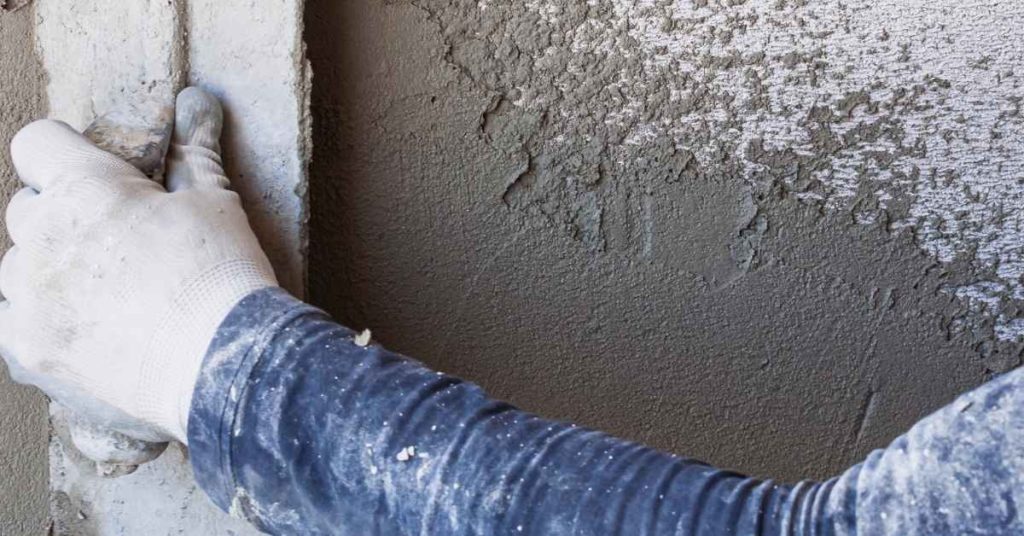
Worker smoothing plaster on a wall with a trowel

Microcement Over Old Plaster: Bond Layers, Movement Risk, and Sealer Selection

Introduction Microcement over old plaster means applying a thin cement-based coating on top of a plaster substrate with careful surface prep. Start by cleaning the surface and repairing obvious flaws to give the new layer something to grip. Roughen or abrade slightly and use an appropriate bonding primer to improve adhesion. Movement risk comes from […]

Microcement Over Old Plaster: Bond Layers, Movement Risk, and Sealer Selection Read More »
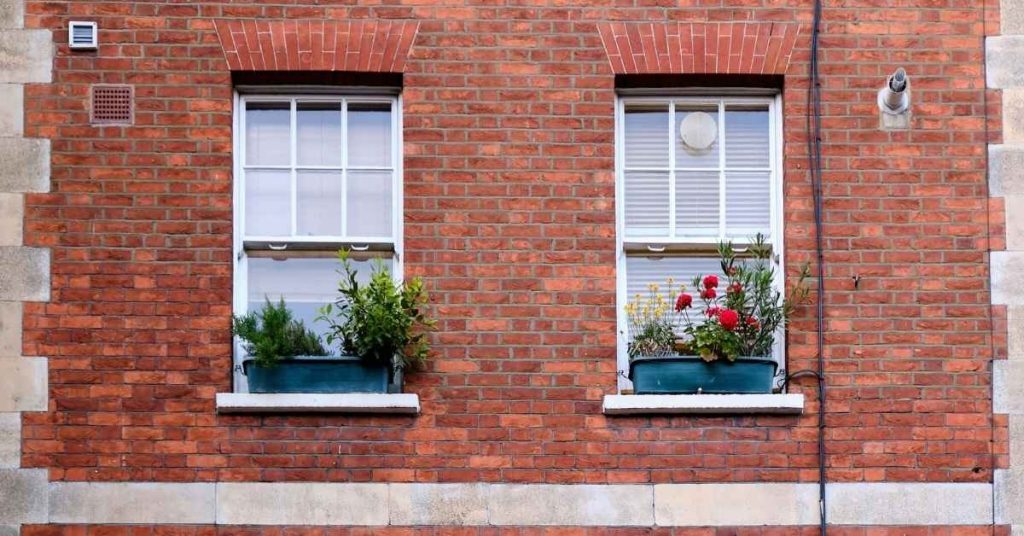
Two white windows in red brick wall with flower boxes

Sealing Brick the Safe Way: Breathable Sealers vs Films—and When to Skip Both

Introduction Breathable sealers let moisture escape from brick while still sealing it; film sealers keep a surface layer that can trap moisture. As a DIYer, you’ll notice breathable options let the brick breathe, while film options can give a smoother, glazed look. Check the label for breathability cues and follow the manufacturer’s suggestions, and avoid

Sealing Brick the Safe Way: Breathable Sealers vs Films—and When to Skip Both Read More »

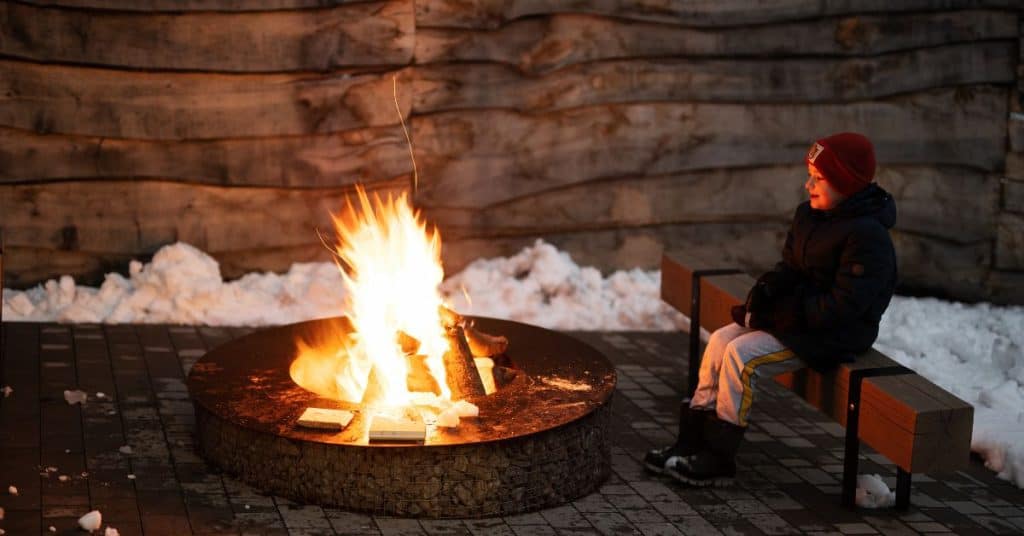
Person sits on a wooden bench beside a circular fire pit in snow.

Concrete for Outdoor Fire Pits: Mix Tweaks, Heat Limits, and Safer Sealers

Introduction Concrete for outdoor fire pits is the sturdy, heat‑tolerant material you pour to form the pit structure and seating. This article gives practical tweaks for mix, curing, and sealers so you can do it safely. Always check local codes and manufacturer labels for heat limits and curing temps. Focus on a durable mix and

Concrete for Outdoor Fire Pits: Mix Tweaks, Heat Limits, and Safer Sealers Read More »

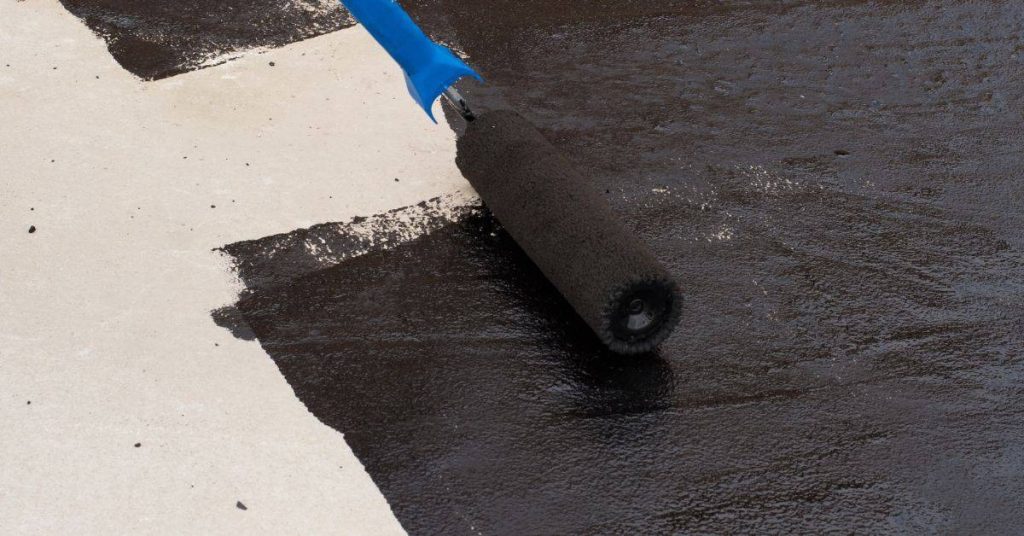
Paint roller applying black sealer on concrete surface

How to Remove Tire Marks Without Dulling a Sealer: Cleaner Types and Pad Choices

Introduction Removing tire marks from a sealed surface without dulling the sealer means using cleaners and pads that lift the mark without damaging the seal. Start with a light cleaner labeled for concrete sealers and test in an inconspicuous spot first. Work in small areas and use gentle motions to avoid abrasive wear. Choose non-aggressive

How to Remove Tire Marks Without Dulling a Sealer: Cleaner Types and Pad Choices Read More »

Hand spraying sealer with spray gun in outdoor setting

Sealer Haze Only in Spots: Moisture Pockets vs Application Thickness and How to Fix

Introduction Sealer haze in spots is caused by moisture pockets or too-thick coats leaving a cloudy film on the surface. It’s a surface symptom you can fix with proper prep and careful re-application. Look for uneven sheen, milky areas, or spots that never fully dry after the sealer sets. To fix, identify where moisture pockets

Sealer Haze Only in Spots: Moisture Pockets vs Application Thickness and How to Fix Read More »

Rough grey concrete wall with varied texture

Strip vs Grind a Failed Sealer: Choosing the Safer Method for Your Concrete Texture

Introduction Stripping removes the sealer with chemicals or rollers, while grinding buffs away the old coating with a machine to reveal a new surface. The safer choice usually depends on the sealer type and how badly the texture is damaged. For most DIYers, start with a careful test area and a gentler approach to evaluate

Strip vs Grind a Failed Sealer: Choosing the Safer Method for Your Concrete Texture Read More »

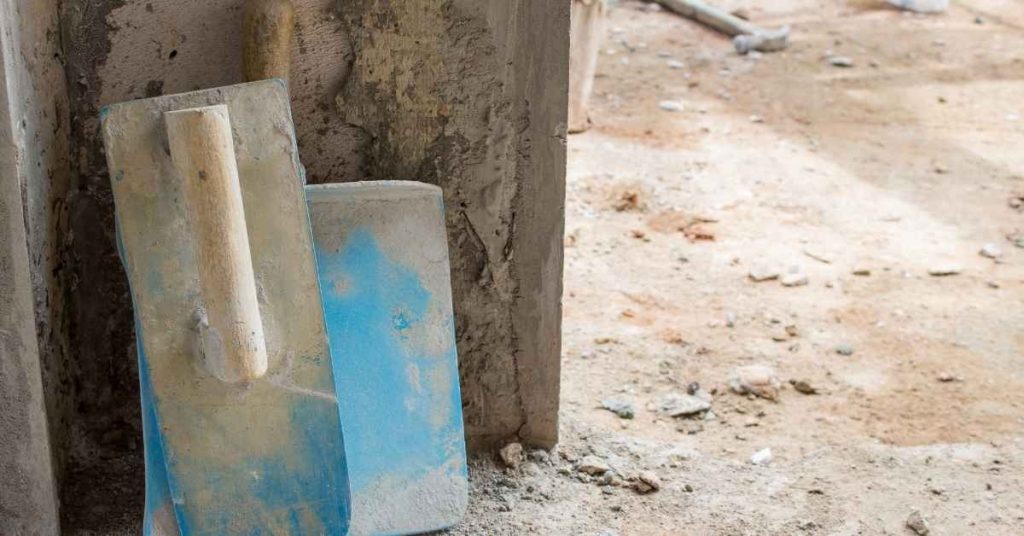
Two plastering trowels leaning against a wall

Polished Plaster on Kitchen Backsplashes: Grease Tests, Sealer Choices, and Maintenance Reality

Introduction Polished plaster on kitchen backsplashes is a smooth, glossy finish applied to a prepared wall to create a seamless, durable surface. It’s a hands‑on finish that requires proper substrate prep, mixing, and controlled troweling. If you’re unsure about the prep or finish, check the product label and follow manufacturer directions for compatible substrates and

Polished Plaster on Kitchen Backsplashes: Grease Tests, Sealer Choices, and Maintenance Reality Read More »

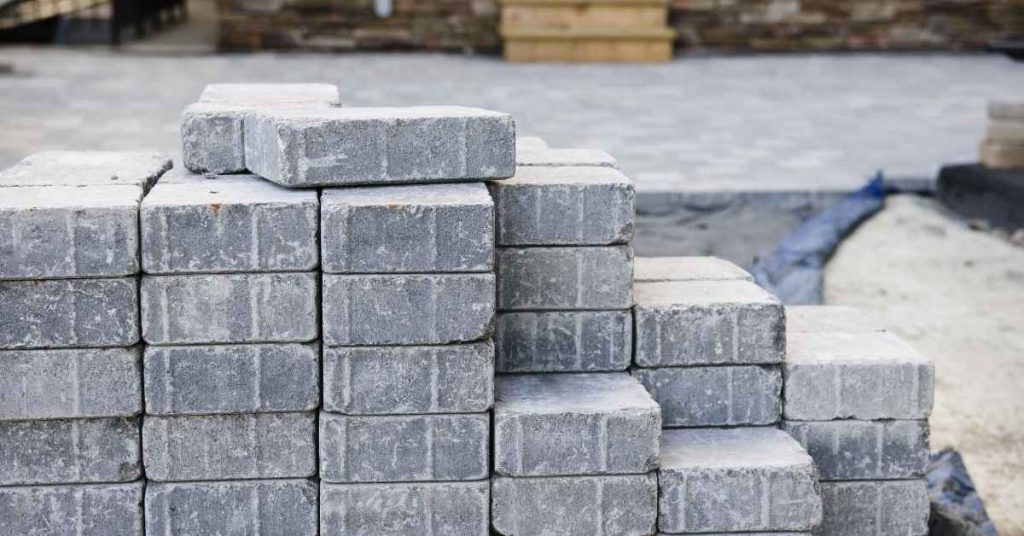
Stack of gray concrete paving blocks outdoors

Concrete Sealer Sheen Control Outdoors: When Matte Looks Better (and When It Traps Dirt)

Introduction A matte sealer finish on outdoor concrete is a low-shine coating that reduces reflection and hides surface imperfections. Choose matte when you want a natural look that doesn’t glare in sun and can mask light dirt. If you want a brighter, reflectant surface, matte may look dull by comparison. Matte finishes can trap dust

Concrete Sealer Sheen Control Outdoors: When Matte Looks Better (and When It Traps Dirt) Read More »

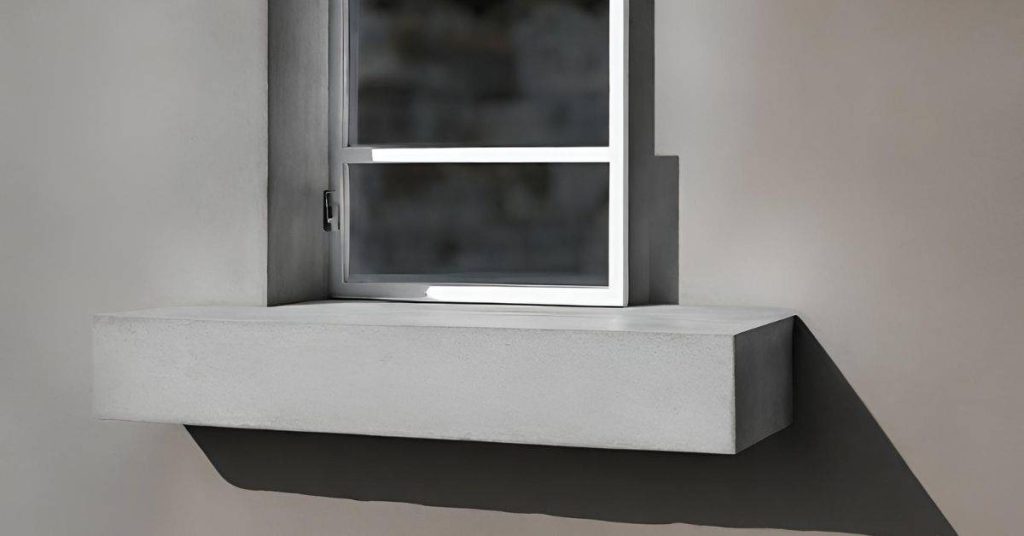
Concrete window sill beneath an open window

Removing Silicone Smears From Concrete: Why Sealers Fish-Eye and How to Fix It

Introduction Silicone smears on concrete are leftover sealant residues that can ruin a finish. They create spots where new coatings won’t adhere properly. That adhesion gap is what we mean by fish-eye and it shows up as specks or craters. Plan a careful cleanup: choose a remover that matches the sealant and the concrete, and

Removing Silicone Smears From Concrete: Why Sealers Fish-Eye and How to Fix It Read More »