Search Results for: seal brick

Gloved hand cleaning a wall with a green sponge

How to Paint Over Smoke Stains: Cleaning, sealing, and odor control

Introduction Painting over smoke stains means preparing the wall by cleaning soot, sealing to block odors, and applying fresh paint. This is a practical, hands-on job you can do with common tools. Assess the stains and follow the label on primers and paints for the right compatibility. Clean thoroughly with a suitable cleaner to lift […]

How to Paint Over Smoke Stains: Cleaning, sealing, and odor control Read More »
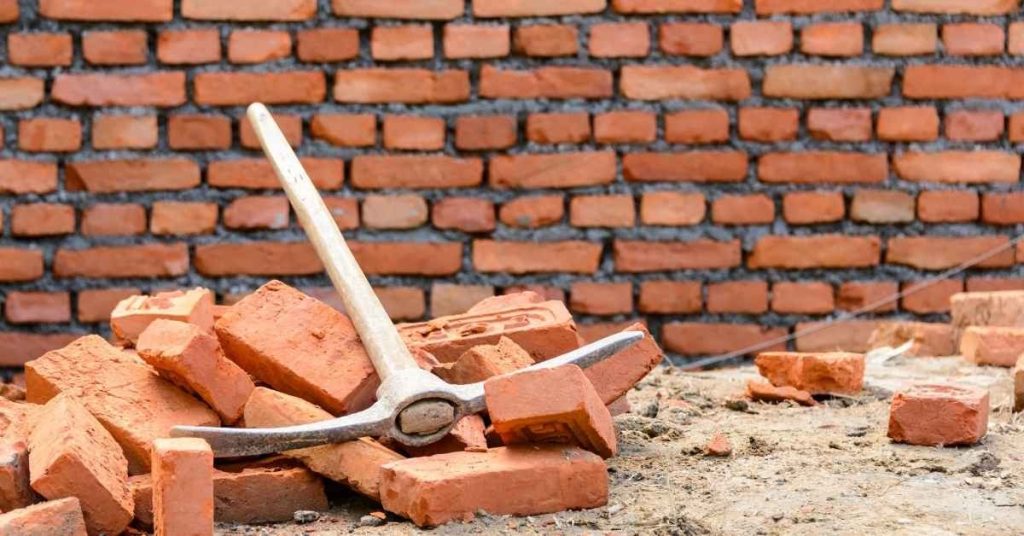
Pile of red bricks with a pickaxe resting on top

Efflorescence on Brick and Block: Removal Methods That Don’t Make It Worse

Introduction Efflorescence is the white, powdery deposit that forms on brick or block when water brings soluble salts to the surface. This article explains simple removal methods that avoid making it worse. You’ll get practical, hands-on steps you can do yourself without fancy tools. Start with the easiest, low-risk approach and test a small area

Efflorescence on Brick and Block: Removal Methods That Don’t Make It Worse Read More »

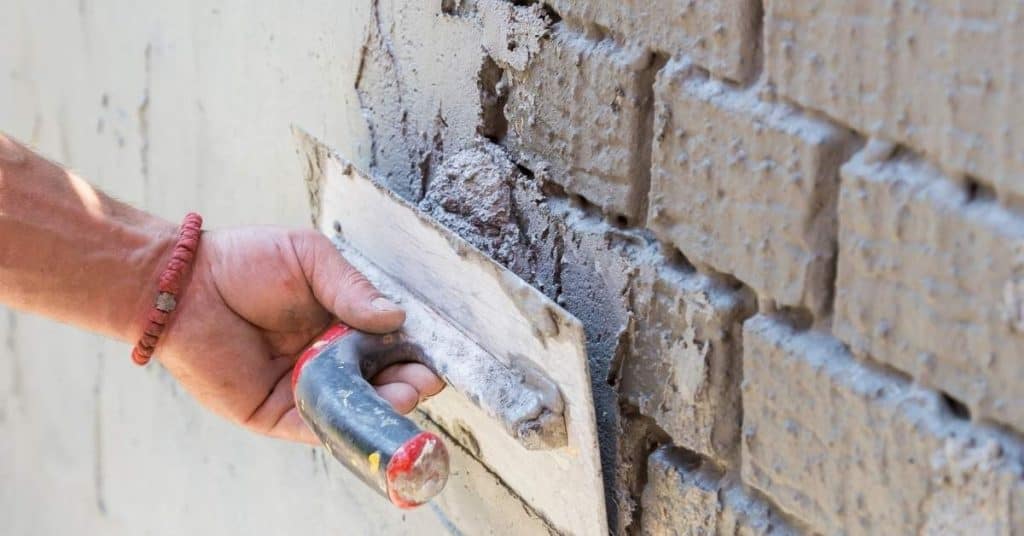
Hand applying stucco on brick wall with trowel

Stucco Termination at Brick or Stone: Transition Details That Don’t Crack or Trap Water

Introduction Stucco termination at brick or stone is the method of finishing and sealing the edge where stucco meets masonry so water is kept out and movement doesn’t crack the finish. Do the job with a clear gap for flashing, a solid backstop, and a termination trim that lets water drain; check product labels and

Stucco Termination at Brick or Stone: Transition Details That Don’t Crack or Trap Water Read More »

Open can of white paint and scattered pastel color swatch cards

Caulk and Paint Compatibility: Choosing Paintable Sealants That Don’t Crack

Introduction Paintable sealant compatibility means choosing a caulk that will accept paint without cracking, pulling away, or staying tacky once cured. In plain terms: pick a sealant labeled paintable and match it to the paint type you plan to use, and check the manufacturer’s instructions and recommended drying time. For DIYers, that means buying the

Caulk and Paint Compatibility: Choosing Paintable Sealants That Don’t Crack Read More »

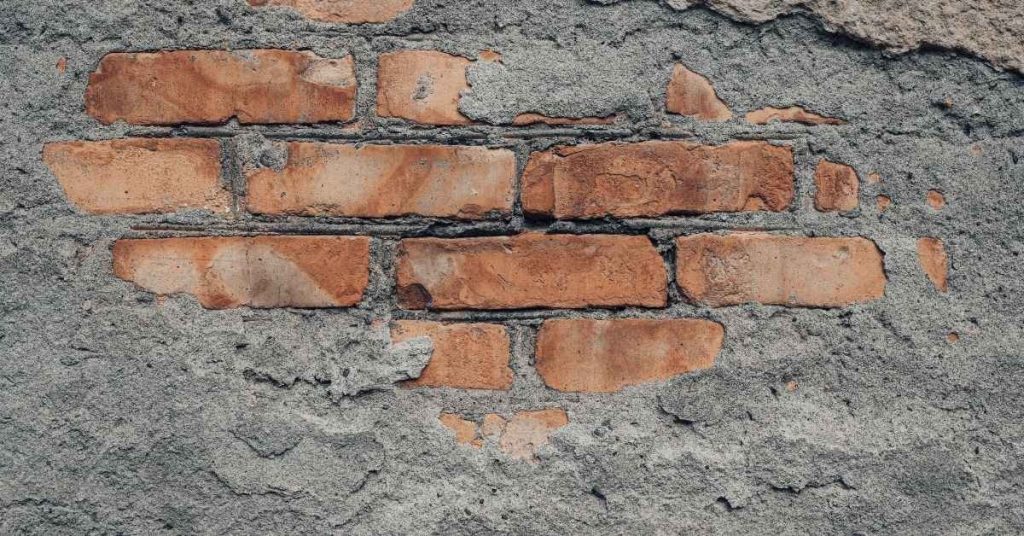
Partially covered brick wall with stucco and exposed bricks

Stucco Termination at Brick or Stone: A Step-by-Step Timeline for DIY Success

Introduction The transition from stucco to brick or stone is a critical detail in any construction project, but it doesn’t have to be time-consuming. With the right planning and execution, you can complete this task efficiently. In this guide, we’ll break down the process into manageable steps, focusing on the timeline to help you understand

Stucco Termination at Brick or Stone: A Step-by-Step Timeline for DIY Success Read More »

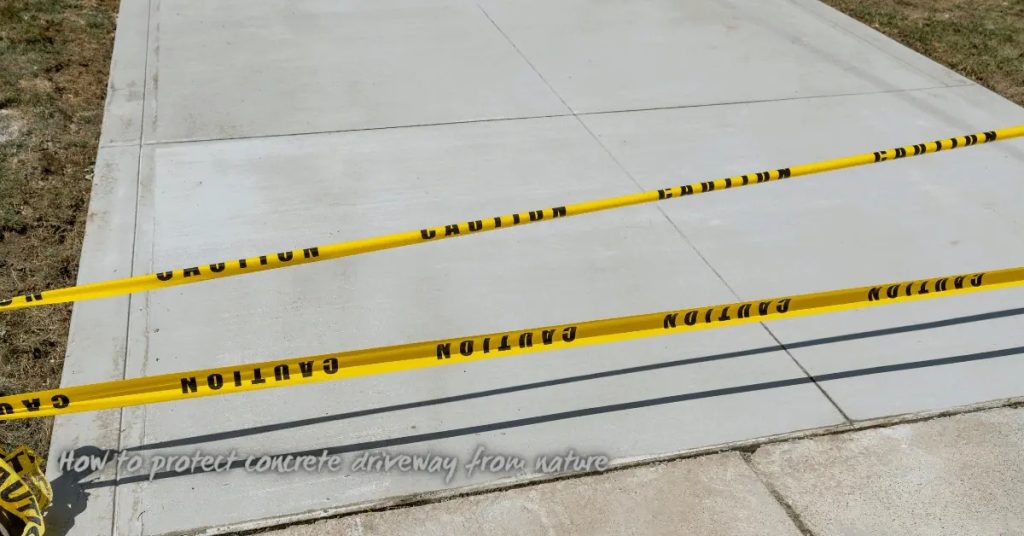
Fresh concrete driveway section with yellow caution tape

How to Create a Two-Tone Concrete Border: Tape Lines, Saw Cuts, and Sealing Strategy

Introduction Creating a two-tone concrete border means masking and finishing a clean edge so two different surface colors or textures sit next to each other without bleeding. Start by preparing the concrete—clean, repair cracks, and make sure the surface is dry and compatible with whatever coloring method you plan to use. Pick tape made for

How to Create a Two-Tone Concrete Border: Tape Lines, Saw Cuts, and Sealing Strategy Read More »

Red concrete pump booms against clear blue sky

Silane/Siloxane Penetrating Sealers on Concrete: What They Repel and What They Don’t

Introduction Silane and siloxane penetrating sealers are treatments that soak into concrete and chemically repel water without leaving a surface film. They keep water out of the pores while leaving the texture and traction of the concrete mostly unchanged, but they don’t block oil, paint, or heavy surface stains. Check product labels and manufacturer instructions

Silane/Siloxane Penetrating Sealers on Concrete: What They Repel and What They Don’t Read More »

Hand applying plaster to rough brick wall with trowel

How to Patch Plaster Over Brick Arches Without ‘Shadow Lines’ Reappearing

Introduction Patching plaster over brick arches means applying new plaster to cover the brick and hide uneven shadows. You’ll aim for a flat, uniform surface that looks seamless with the surrounding wall. Work in small steps, keeping the mix workable and the surface clean as you go. Start by inspecting for loose bricks or dust,

How to Patch Plaster Over Brick Arches Without ‘Shadow Lines’ Reappearing Read More »