Search Results for: seal brick

Man applying plaster to wall using trowel and hawk

Roman Clay Wall Finish: How to Get the Look, What Substrates Work, and How to Seal It

Introduction Roman Clay Wall Finish is a hand-applied plaster look that mimics traditional lime-based finishes. You build it in layers on a prepared substrate, then blend and burnish to create the texture. Check the substrate and product labels for compatibility and curing times before you start. For substrates, common options include clean, smooth walls or […]

Roman Clay Wall Finish: How to Get the Look, What Substrates Work, and How to Seal It Read More »

Close up of metal hose bib mounted on textured stucco wall

Mounting a Hose Reel on Stucco Without Cracking or Leaks (Fasteners, Spacers, Sealant)

Introduction Mounting a hose reel on stucco without cracking or leaks means securing the reel with proper fasteners, spacers, and sealant to protect the wall and keep water out. Use fasteners rated for masonry or stucco and add spacers to prevent screws from binding against the softer surface. Match the hardware to the wall substrate

Mounting a Hose Reel on Stucco Without Cracking or Leaks (Fasteners, Spacers, Sealant) Read More »

Damaged stucco wall with reinforcing mesh exposed

Repairing Stucco Around Dryer Vents: Flashing and Sealant Details That Drain

Introduction Flashing and sealant around dryer vents keep water from leaking into the wall. This intro covers how to inspect, clean, and prep the area before you patch. You’ll want to match what you use to your vent size and wall material, and follow local rules. Start by removing loose stucco and cleaning the vent

Repairing Stucco Around Dryer Vents: Flashing and Sealant Details That Drain Read More »

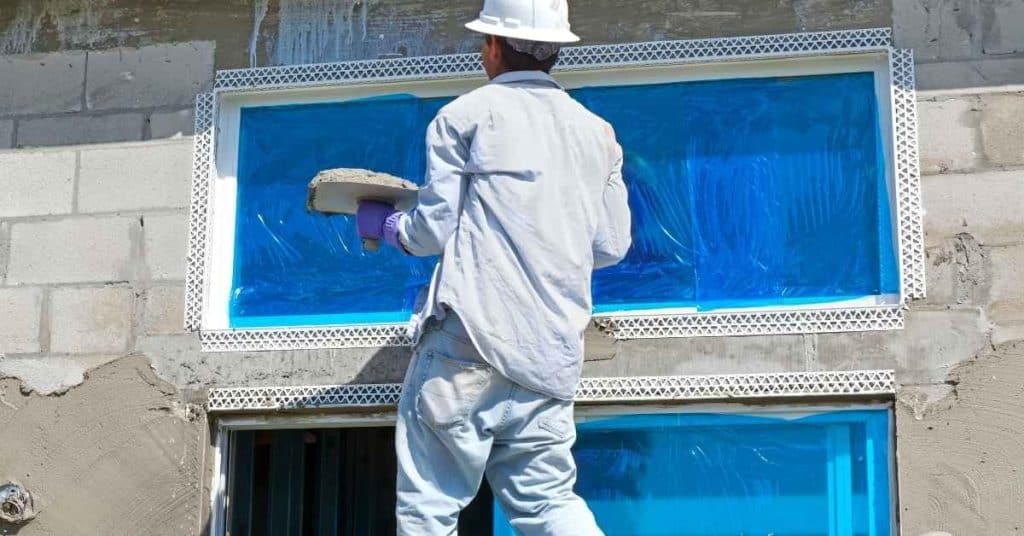
Worker applying stucco around window frames on building exterior

Caulking Stucco to Window Joints: Where to Seal and Where to Leave Drainage

Introduction Caulking stucco to window joints means sealing the gaps where the stucco meets the window frame to keep water out and air in check. It’s a hands-on job that protects the wall and helps prevent leaks. You’ll want to know where not to seal so drainage isn’t blocked and you don’t trap moisture. Start

Caulking Stucco to Window Joints: Where to Seal and Where to Leave Drainage Read More »

Worn mallet resting on gray natural stone paving slabs

Sealing Natural Stone: How to Test Absorption and Avoid Blotchy Results

Introduction Sealing natural stone means applying a treatment to reduce absorption and prevent blotchy stains. This guide shows how to test how much liquid the stone takes in and how sealing changes that. Keep in mind that different stones behave differently and results depend on stone type and finish. You’ll learn a simple, real‑world test

Sealing Natural Stone: How to Test Absorption and Avoid Blotchy Results Read More »

Fasteners Through Stucco: Sealing Strategies That Don’t Create a Water Trap

Sealing Fasteners Through Stucco: A Step-by-Step Timeline to Avoid Water Traps

Introduction The process of sealing fasteners through stucco can seem daunting, but with a clear understanding of the timeline and steps involved, you can ensure a watertight finish that lasts. This guide walks you through the entire process, from site assessment to final inspection, with an emphasis on how long each step takes. Whether you’re

Sealing Fasteners Through Stucco: A Step-by-Step Timeline to Avoid Water Traps Read More »

Best Sealant Joint Detail at Windows: Where to Caulk and Where *not* to

Best Sealant Joint Detail at Windows: Where to Caulk and Where *Not* to

Introduction The best sealant detail for windows is to caulk only the joints that require a flexible, sealed connection and to leave other joints unsealed where drainage or ventilation is needed. You’ll learn how to decide where to apply caulk, what kinds of sealants to consider, and how to prep and apply for a durable

Best Sealant Joint Detail at Windows: Where to Caulk and Where *Not* to Read More »