Search Results for: seal brick

Painting Stucco: Breathable Coatings That Won’t Trap Water

Painting Stucco: Breathable Coatings That Won’t Trap Water

Introduction Breathable coatings on stucco let moisture escape while still protecting the surface. This matters because trapping water can lead to peeling, cracking, and mold, so you’ll learn how to evaluate breathable finishes and what to look for in performance and compatibility. The guide walks through practical steps for preparation, choosing the right breathable coating, […]

Painting Stucco: Breathable Coatings That Won’t Trap Water Read More »

Preparing Damp Basement Walls for Paint: Drying, Dehumidifying, and Coating Solutions

Preparing Damp Basement Walls for Paint: Drying, Dehumidifying, and Coating Solutions

Introduction To prepare damp basement walls for painting, dry the walls, reduce humidity, and apply appropriate coatings. The guide explains practical drying methods, humidity control tips, and coating options you can use to prevent moisture problems and achieve a lasting, smooth finish. Related: 7 Common Causes of Watery Paint and How to Fix Them. Key

Preparing Damp Basement Walls for Paint: Drying, Dehumidifying, and Coating Solutions Read More »

How to Test and Fix Alkaline Bleed and Efflorescence Before Painting Concrete

How to Test and Fix Alkaline Bleed and Efflorescence Before Painting Concrete

Introduction Test for and fix alkaline bleed and efflorescence before painting concrete to ensure proper adhesion and a durable finish. You’ll learn how to identify signs of bleed and efflorescence, assess the surface, and choose practical prepping steps that improve paint bonding. The guide walks through simple, real‑world tips for cleaning, neutralizing alkalinity, and sealing

How to Test and Fix Alkaline Bleed and Efflorescence Before Painting Concrete Read More »

Why Is My Concrete Paint Thin and Runny? Causes and Fixes for Watery Paint on Driveways and Patios

Why Is My Concrete Paint Thin and Runny? Causes and Fixes for Watery Paint on Driveways and Patios

Introduction Concrete paint on driveways and patios becomes thin and runny due to improper mixing, excessive water content, or environmental conditions. In this guide you’ll learn how to diagnose the causes, determine if you need to adjust the mix, and apply practical fixes to restore thickness and durability. Related: 7 Common Causes of Watery Paint

Why Is My Concrete Paint Thin and Runny? Causes and Fixes for Watery Paint on Driveways and Patios Read More »

Diy Guide: Installing a Ca6 Gravel Base for a Compact, Low-Maintenance Driveway

Diy Guide: Installing a Ca6 Gravel Base for a Compact, Low-Maintenance Driveway

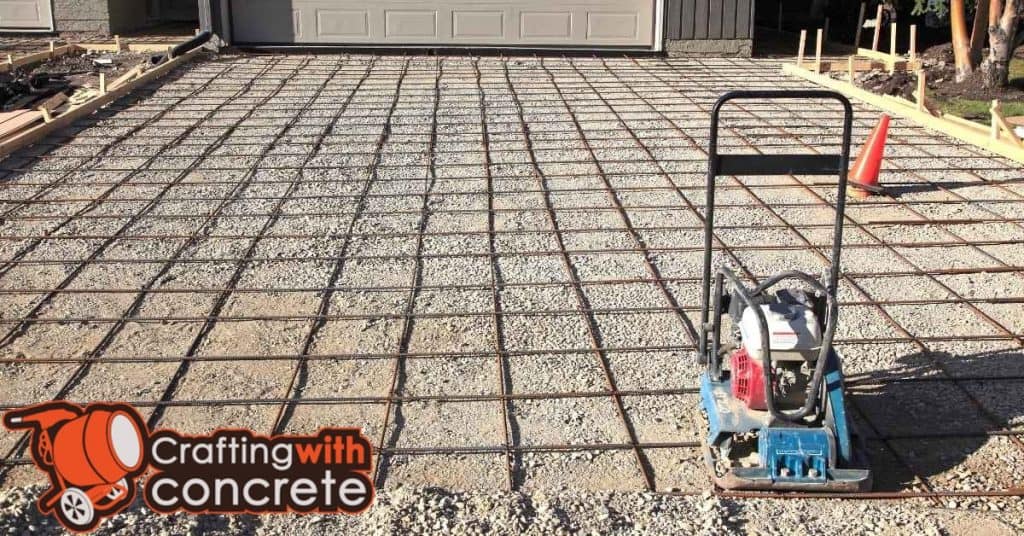
Introduction A CA6 gravel base can create a compact, low-maintenance driveway when installed correctly. You’ll learn the key steps—from choosing the right CA6 mix and preparing the sub-base to laying and compacting the gravel for stability. The guide walks through practical tips, common pitfalls, and rules of thumb to help you achieve a durable driveway

Diy Guide: Installing a Ca6 Gravel Base for a Compact, Low-Maintenance Driveway Read More »

How to Choose Between Ca6 and #57 Gravel for Your Driveway: a Practical Comparison and Decision Guide

How to Choose Between Ca6 and #57 Gravel for Your Driveway: a Practical Comparison and Decision Guide

Introduction Choose the right driveway gravel by comparing Ca6 and #57 gravel based on their drainage, compaction, and cost. This guide walks through practical criteria, common scenarios, and simple rules of thumb you can apply to decide which gravel grade fits your driveway. Related: Everything You Need to Know About CA6 Gravel: A Comprehensive Guide.

How to Choose Between Ca6 and #57 Gravel for Your Driveway: a Practical Comparison and Decision Guide Read More »

How to Speed up Cyanoacrylate (super Glue) Curing on Cold or Damp Concrete

How to Speed up Cyanoacrylate (Super Glue) Curing on Cold or Damp Concrete

Introduction You can speed up cyanoacrylate curing on cold or damp concrete by improving surface dryness and controlling temperature and humidity. This guide walks you through practical steps for surface prep, adhesive selection, and curing tricks to achieve a strong bond in challenging conditions. By the end, you’ll know how to handle cold, damp substrates

How to Speed up Cyanoacrylate (Super Glue) Curing on Cold or Damp Concrete Read More »

Best Adhesives for Bonding Metal or Tile to Concrete: What Dries Fast and Lasts Long

Best Adhesives for Bonding Metal or Tile to Concrete: What Dries Fast and Lasts Long

Introduction The best adhesives for bonding metal or tile to concrete dry quickly and form a durable, long-lasting bond. You’ll learn how to choose the right product based on substrate, surfaces, and environmental conditions, plus practical tips on surface preparation and curing times. The guide walks through steps, rules of thumb, and real-world examples to

Best Adhesives for Bonding Metal or Tile to Concrete: What Dries Fast and Lasts Long Read More »

How Long Does Super Glue Take to Dry on Concrete? Practical Times and Tips for Repairs

How Long Does Super Glue Take to Dry on Concrete? Practical Times and Tips for Repairs

Introduction Super glue dries to the touch on concrete in minutes, but full strength can take up to 24 hours. The guide walks you through what to expect under different conditions and how to apply the glue for strong, lasting repairs, with practical steps and tips you can use right away. Related: Time is of

How Long Does Super Glue Take to Dry on Concrete? Practical Times and Tips for Repairs Read More »

Diy Pet-Friendly Concrete Finishes: Creating Non-Slip, Paw-Safe Textures for Outdoor Walks

Diy Pet-Friendly Concrete Finishes: Creating Non-Slip, Paw-Safe Textures for Outdoor Walks

Introduction Create non-slip, paw-safe concrete finishes for outdoor walks that you can achieve with DIY methods. You’ll learn practical steps, tips, and considerations to create textured surfaces that improve traction, durability, and dog safety, along with simple tests and maintenance ideas. The guide walks through choosing textures, applying finishes, and evaluating grip to help you

Diy Pet-Friendly Concrete Finishes: Creating Non-Slip, Paw-Safe Textures for Outdoor Walks Read More »