Search Results for: seal brick

Two-story stucco house exterior with windows and garage door

Stucco termite inspection gaps: keeping clearances without leaving raw edges

Introduction Stucco Gap Inspection and Repair To minimize termite access, keep gaps around stucco clear while preventing exposed raw edges. Inspect edges, corners, and joints where stucco meets other materials regularly. Focus on these areas: Stucco-to-stucco joints Stucco-to-frame connections Stucco-to-foundation interfaces Upon discovering gaps, repair them neatly using suitable flashing or backer materials and compatible […]

Stucco termite inspection gaps: keeping clearances without leaving raw edges Read More »
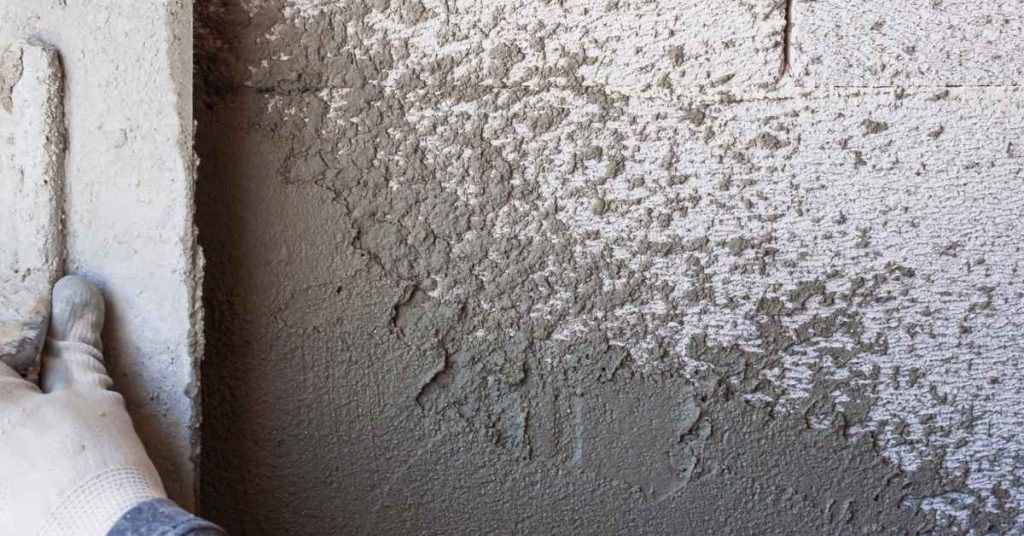
Gloved hand applying stucco scratch coat on lath

Stucco scratch coat keying: getting bite on lath without overworking the mix

Introduction Keying the scratch coat means creating a rough, gripping surface on the lath so the plaster adheres without excessive manipulation. It gives the base a bite that helps the next layer hold. Start with thorough surface preparation: clean and dampen the lath so dust is removed and the surface isn’t drawing moisture too quickly.

Stucco scratch coat keying: getting bite on lath without overworking the mix Read More »

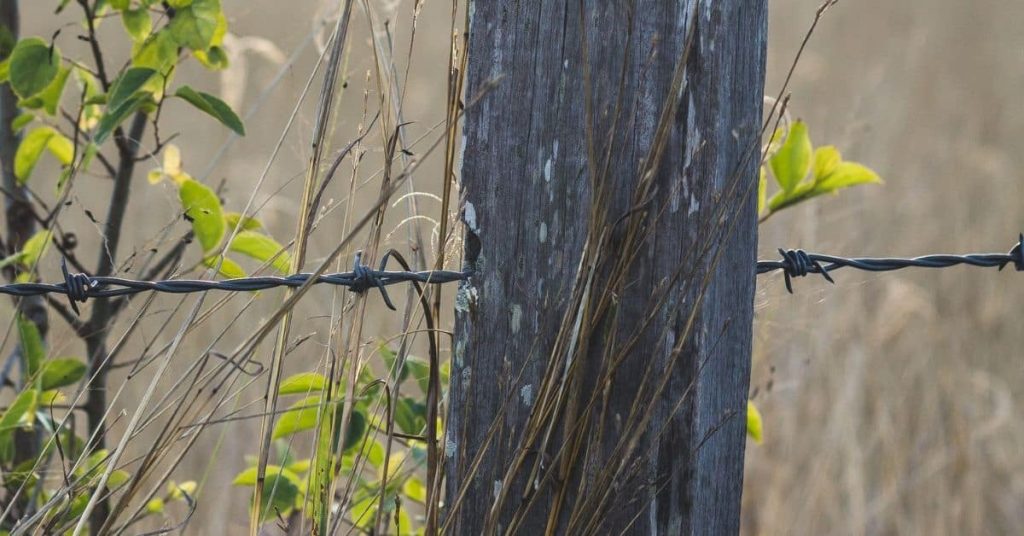
Close-up of weathered wooden fence post with barbed wire and dry grass

Concrete Post Base Pockets and Voids: Where They Come from and How to Patch Invisibly

Introduction Concrete post base pockets are hollow or voided areas that form under a post base in poured concrete. They develop when formwork fails to support the concrete properly, when settlement occurs, or when air and water leave gaps before the concrete cures. These voids can compromise the base and the surrounding footing if not

Concrete Post Base Pockets and Voids: Where They Come from and How to Patch Invisibly Read More »

Empty room with smooth polished concrete floor and large windows

Fixing a Bad Concrete Broom Finish: Rescue Tricks for Chatter Marks, Streaks, and Overworked Slabs

Introduction A bad concrete broom finish is an uneven, rough texture on a broom-finished slab with chatter marks and streaks. This article offers practical, hands-on techniques to smooth out the look while preserving the surface integrity. For DIY fixes, assess the surface and plan a remediation approach with simple tools and safe methods. Check guidelines

Fixing a Bad Concrete Broom Finish: Rescue Tricks for Chatter Marks, Streaks, and Overworked Slabs Read More »

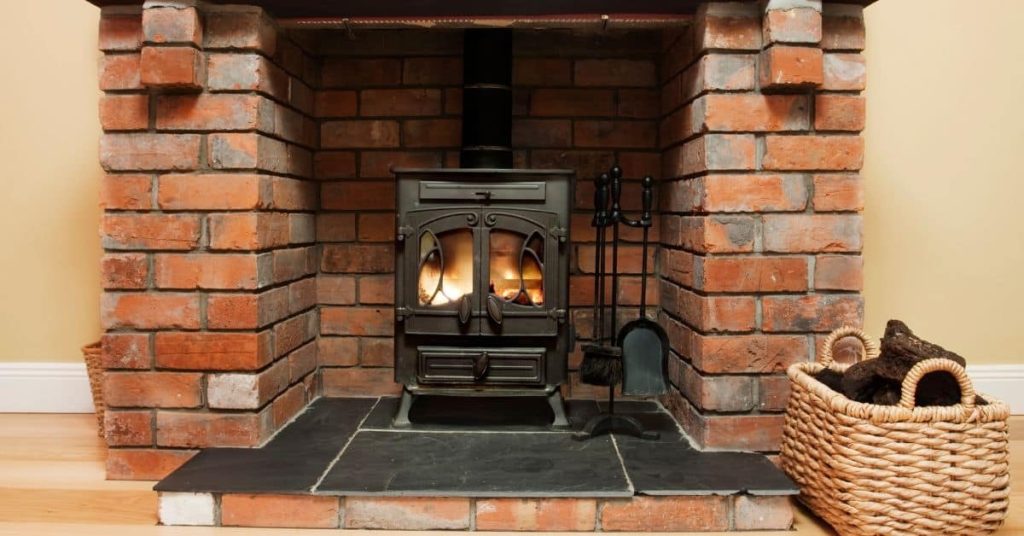
Black wood stove inside brick fireplace with fire tools and basket

Cleaning soot on fireplaces: products that won’t etch and how to avoid streaks

  Introduction Cleaning soot on fireplaces means removing soot and smoke marks without harming the surface. Use non-etching cleaners and test on a hidden spot first, then work in gentle, small sections. Avoid abrasive scrubbers and harsh acids; follow label instructions and local rules. To avoid streaks, wipe from top to bottom and use a

Cleaning soot on fireplaces: products that won’t etch and how to avoid streaks Read More »

Wood framing and studs in residential construction interior

Honeycombing in small walls: fixable vs structural and when to call an engineer

Introduction Honeycombing in concrete is gaps or voids that appear where the material didn’t fill around the forms or reinforcement. It often shows up as rough pockets in small walls and can be caused by improper compaction, bad mix proportions, or formwork issues. The big concern is how it affects strength and durability, especially in

Honeycombing in small walls: fixable vs structural and when to call an engineer Read More »

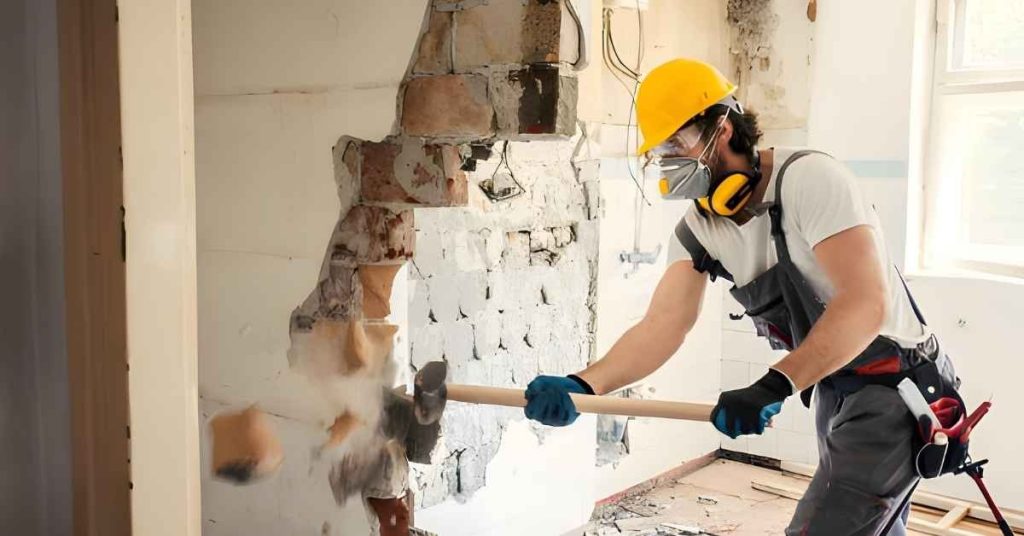
Worker with sledgehammer demolishing interior wall

Hollow-Sounding Stucco: Tap Testing, Cut Windows, and When to Stop Spot-Patching

Introduction Hollow-Sounding stucco occurs when tapping the surface reveals a hollow or loose layer beneath the finish. It’s a signal that the underlying material or lath may be compromised. Listen and feel for soft spots, and note where the sound changes as you tap around the area. Start with surface preparation by removing loose material

Hollow-Sounding Stucco: Tap Testing, Cut Windows, and When to Stop Spot-Patching Read More »

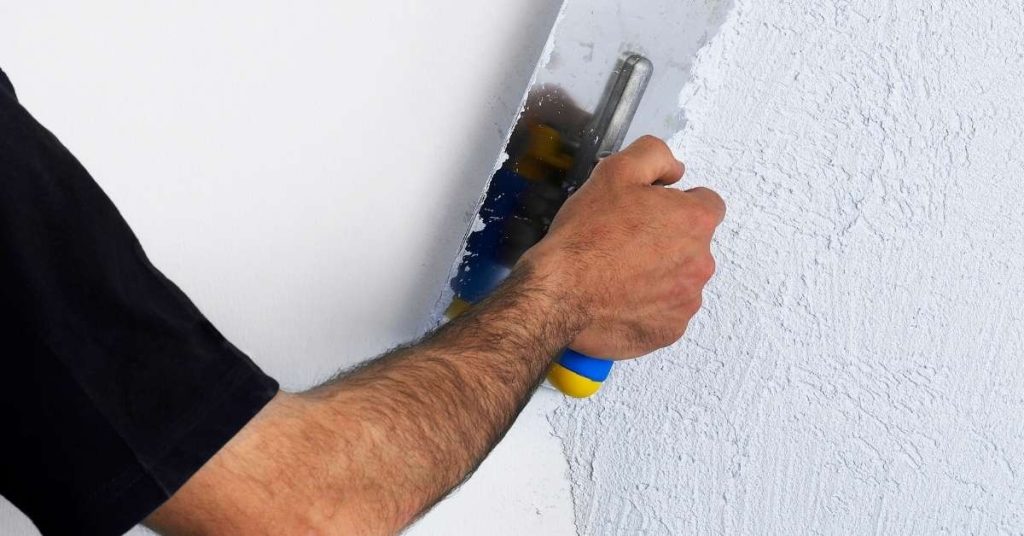
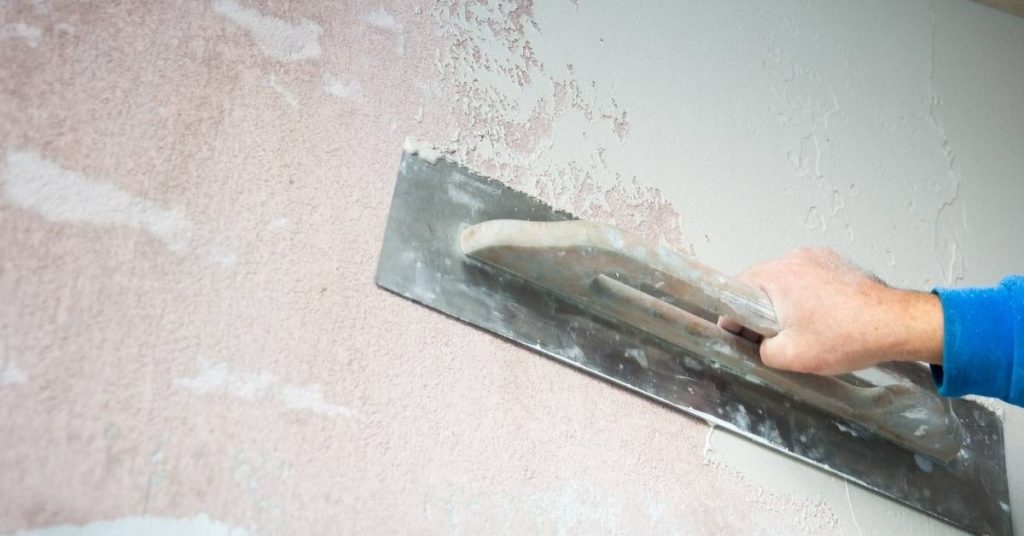
Person applying plaster on wall with trowel

High-Gloss Venetian Plaster: A Layering Plan to Avoid Drag Marks and Streaks

Introduction High-gloss Venetian plaster is a multi-layer decorative finish that builds a shiny, mirror-like surface. This article lays out a practical layering plan to keep drag marks and streaks under control as you work. You’ll be working in thin, even coats and checking your tool marks as you go. Begin with surface prep, then keep

High-Gloss Venetian Plaster: A Layering Plan to Avoid Drag Marks and Streaks Read More »

Worker smoothing plaster on wall with trowel

Plaster Near Masonry Chimneys: Expansion Gaps That Prevent Heat-Cycle Cracks

Introduction Expansion gaps between plaster and masonry chimneys help prevent cracks from heating and cooling. When the chimney heats up, the brick or metal behind the plaster expands and the plaster needs room to move. Without a gap, cracks can form as parts push against each other. To set this up during a DIY job,

Plaster Near Masonry Chimneys: Expansion Gaps That Prevent Heat-Cycle Cracks Read More »

Hand smoothing lime plaster on wall with trowel

Lime Plaster in Basements: Moisture Testing, Vapor Drive, and Paint Choices

Introduction Lime plaster in basements is a breathable plaster finish that helps manage moisture. It relies on lime’s chemistry to let vapor pass while providing a durable coat. This DIY approach requires careful moisture testing and proper surface prep. Moisture testing, understanding vapor drive, and choosing compatible paints matter for long-term performance. Check product labels,

Lime Plaster in Basements: Moisture Testing, Vapor Drive, and Paint Choices Read More »