Search Results for: sanding plaster

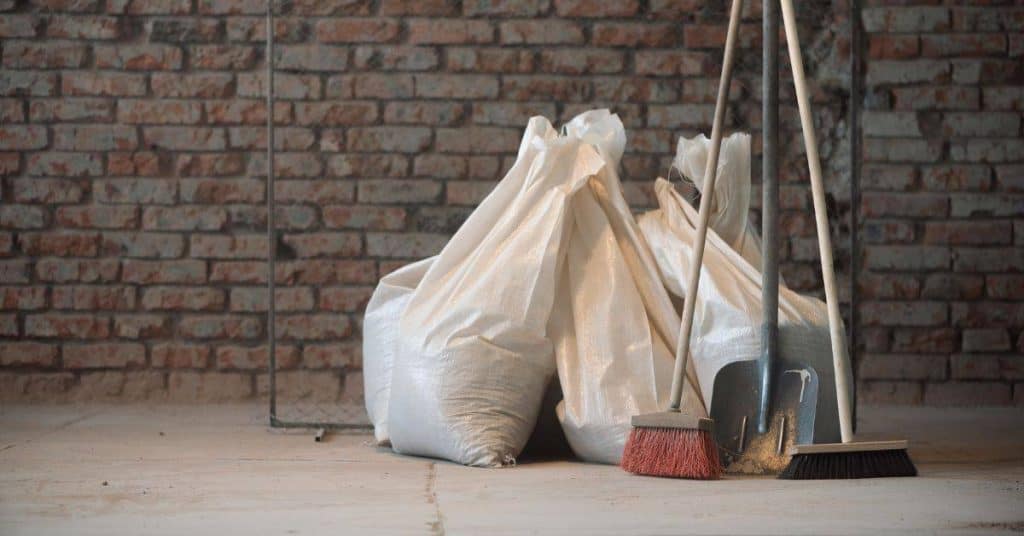
white debris bags with broom and shovel against brick wall

Plaster Dust Control for Small Jobs: Containment That Keeps Cleanup Sane

Introduction Plaster dust containment means keeping dust from plastering work from escaping the work area. It helps protect your home and makes cleanup easier. Start by setting a clear boundary and using basic barriers and cleanup habits. For a simple setup, close off the work zone, lay down plastic sheeting, and seal doorways. Use a […]

Plaster Dust Control for Small Jobs: Containment That Keeps Cleanup Sane Read More »
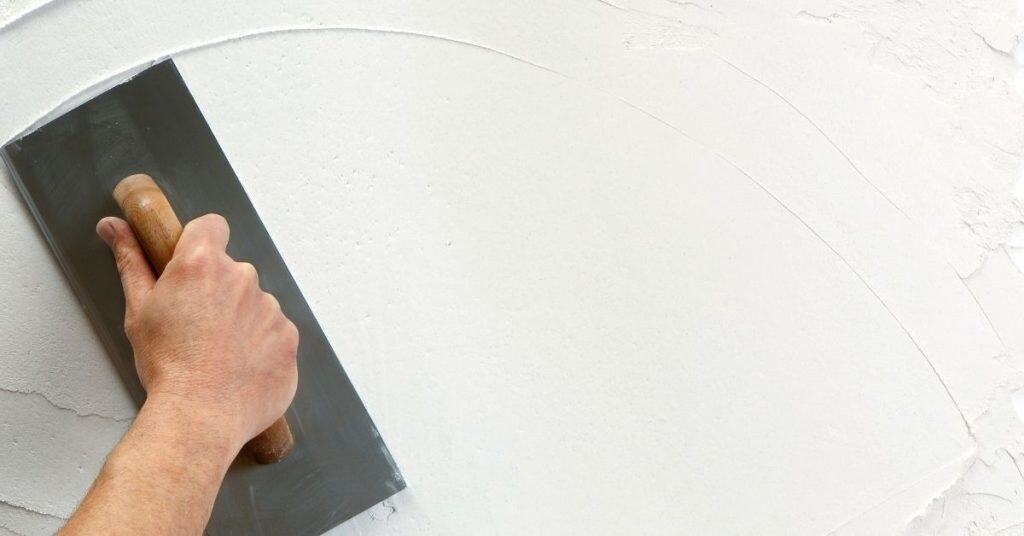
Hand holding trowel smoothing plaster on wall

Plaster Crack Repair That Lasts: Stabilize Movement Before You Patch

Introduction Stabilizing movement before patching means stopping the wall from shifting so the patch can stick. This is a hands-on job, not a quick cover-up. You’ll address the underlying cause first, then patch. Start by locating what’s moving in the wall and take steps to stop it. Secure loose framing with basic fixes and let

Plaster Crack Repair That Lasts: Stabilize Movement Before You Patch Read More »

Worker in blue helmet painting wall yellow with roller

Painting Plaster the Right Way: Dry Time, Primers, and Sheen Control

Introduction Painting plaster correctly means choosing the right primer, letting it dry properly, and applying coats with the right sheen. This article walks you through the practical steps so your wall texture doesn’t show through or peel. Keep in mind you should read product labels for exact instructions. Dry time depends on temperature and humidity,

Painting Plaster the Right Way: Dry Time, Primers, and Sheen Control Read More »

Close-up of white plaster wall with textured surface

Matching Old Plaster Texture: Brushing, Sponging, and Feathering Tricks

Introduction This guide explains how to match old plaster texture using brushing, sponging, and feathering techniques. You’ll learn simple, hands‑on steps to blend new patches with the surrounding wall. Keep in mind the look varies with light and the original finish. Start by inspecting the current texture to guide your brush, sponge, or feathering choice.

Matching Old Plaster Texture: Brushing, Sponging, and Feathering Tricks Read More »

Hands applying wet plaster on wall with trowel

Creating a Smooth Plaster Finish: Trowel Pressure and Timing Basics

Introduction A smooth plaster finish comes from controlled trowel pressure and proper timing. That means pressing evenly as you float or skim, and watching the set so you don’t pull or push too much. You’ll get a better look if you keep strokes consistent and work in small, overlapping sections. Check the plaster’s working time

Creating a Smooth Plaster Finish: Trowel Pressure and Timing Basics Read More »