Search Results for: rebar

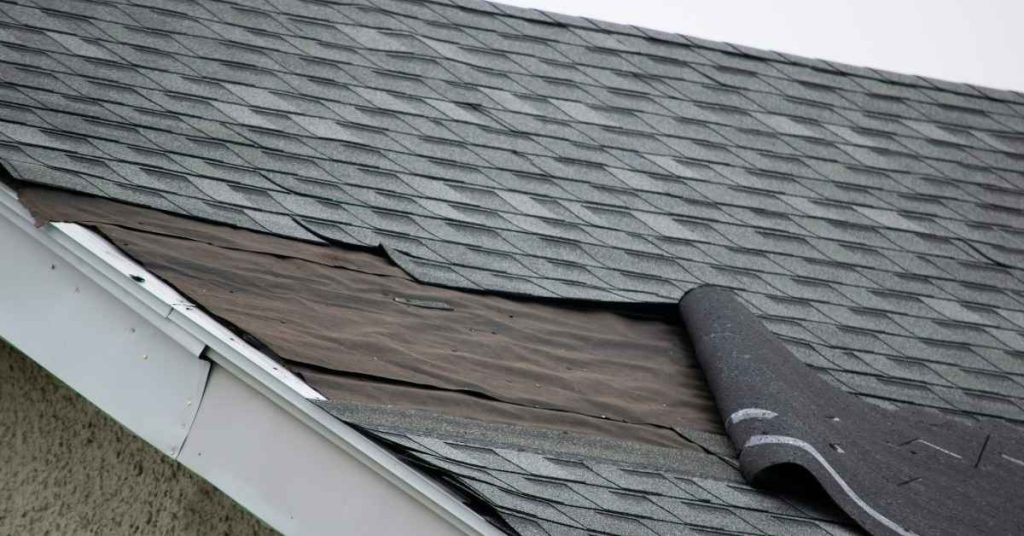
Roof with asphalt shingles partially lifted showing black underlayment

Roof Underlayment Types: Felt vs Synthetic vs Peel-and-Stick (When to Use Each)

Introduction Roof underlayment is the protective layer installed under the shingles to keep the roof deck dry when the surface isn’t exposed. Felt, synthetic, and peel-and-stick each have a place, but the right choice depends on weather, roof type, and ease of install. Check the product label and local rules to confirm what to use […]

Roof Underlayment Types: Felt vs Synthetic vs Peel-and-Stick (When to Use Each) Read More »

Close-up of drill bit covered in reddish dust on powder surface

Shot Blasting for DIY? Rental Options, Dust Control, and When It’s Worth It

Introduction Shot blasting is a surface preparation method that uses high-velocity abrasive to clean and roughen a surface. For DIY projects, you can rent equipment and compare how it fits your time, budget, and safety plan. Always check the operator’s manual and local rules for ventilation and containment before you start. There are walk-behind, self-propelled,

Shot Blasting for DIY? Rental Options, Dust Control, and When It’s Worth It Read More »

Rusty rebar grid and foam insulation panels in concrete form

Concrete Cover Requirements: What “Cover” Means and How to Measure It

Introduction Concrete cover is the distance from the outer surface of the concrete to the embedded steel or other reinforcement. In DIY terms, it protects steel from moisture and corrosion and helps the structure resist fire. Check the manufacturer’s instructions or local rules for any minimums. To measure cover, use a tape, ruler, or a

Concrete Cover Requirements: What “Cover” Means and How to Measure It Read More »

Concrete countertop with integrated sink and black faucet

Concrete Countertop Forms: Melamine vs Plastic vs Silicone Edges (Best Options)

Introduction Edge forms for a concrete countertop include melamine, plastic, and silicone options that shape and support the pour as it cures. Each type offers a different surface finish and release feel, so you’ll want to align your choice with the project needs. Always check the product label and manufacturer instructions, and confirm any local

Concrete Countertop Forms: Melamine vs Plastic vs Silicone Edges (Best Options) Read More »

Metal formwork panels for concrete pouring

Concrete Countertop Reinforcement: Steel vs Glass Fiber vs Carbon (What Works)

Introduction Concrete countertop reinforcement is choosing between steel, glass fiber, or carbon fiber to improve strength and crack resistance. In practice, steel is traditional and familiar, but it requires careful corrosion protection and placement so it doesn’t rust in a damp finish. Glass fiber mesh and carbon fiber options can save weight and simplify installation,

Concrete Countertop Reinforcement: Steel vs Glass Fiber vs Carbon (What Works) Read More »

Tool smoothing fresh concrete joint on pavement

Concrete Joint Sealant: Polyurethane vs Silicone (Where Each Belongs)

Introduction Polyurethane and silicone are two sealing options for concrete joints, each suited to different jobs. Polyurethane tends to be tougher and more resistant to movement, while silicone seals stay flexible longer in some conditions. This article compares when to use each, in plain terms you can apply at home. There are practical restrictions to

Concrete Joint Sealant: Polyurethane vs Silicone (Where Each Belongs) Read More »

close up of gray concrete surface with visible cracks

Routing and Sealing Cracks: When a “V-Groove” Helps and When It Doesn’t

Introduction Routing and sealing cracks means cutting a V-shaped groove along the crack and sealing it to prevent further movement. It’s a technique that can help when the crack is stable and the substrate is sound, but it isn’t right for every crack or situation. Consider crack size, movement, and the surrounding material before choosing

Routing and Sealing Cracks: When a “V-Groove” Helps and When It Doesn’t Read More »

Pile of metal expansion anchor bolts on white surface

Protecting PEX in Concrete: Sleeving, Bend Radius, and Expansion

Introduction Protecting PEX in concrete means keeping the tubing safe from damage and movement while it sits in the slab. Sleeving, proper routing, and careful bending help prevent kinks and cracks as the concrete cures. Work carefully on site, verify that sleeves or guards are used where required and follow local guidelines. Use protective sleeves

Protecting PEX in Concrete: Sleeving, Bend Radius, and Expansion Read More »