Search Results for: product to seal between floor and wall

Open metal gate with stone pillars and green landscape

How to Store Bagged Concrete: Moisture Damage, Shelf Life, and Best Practices

Introduction Storing bagged concrete means keeping the bags dry, off the ground, and protected so the mix remains usable when you need it. Moisture damage is the big risk, since humidity or leaks can turn dry premixed concrete clumps or weaken the mix. Check the bag labels and manufacturer instructions for any shelf life guidance,

How to Store Bagged Concrete: Moisture Damage, Shelf Life, and Best Practices Read More »

Black and white marble tile surfaces

Tadelakt vs Tile: Where Tadelakt Works, Where It Fails, and What to Use Instead

Introduction Tadelakt is a traditional lime plaster finish used on walls and wet areas. This article offers a plain‑spoken look at where it works well, where it doesn’t, and what you should consider as a DIYer. We cover the basic idea of applying it, the materials you’ll need, and when tiling might be a safer

Tadelakt vs Tile: Where Tadelakt Works, Where It Fails, and What to Use Instead Read More »

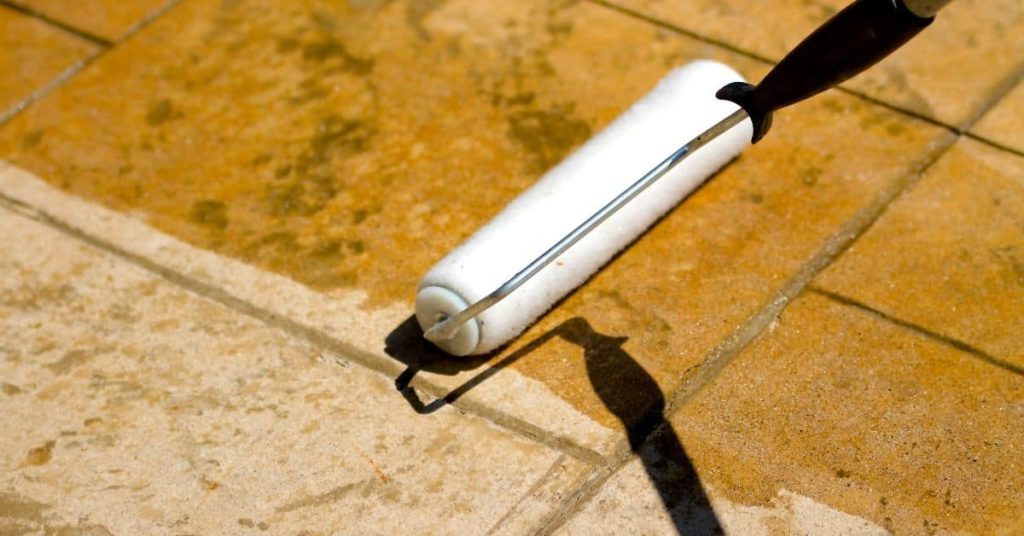
Paint roller applying sealer on outdoor concrete pavers

Microcement in Showers: Waterproofing Details, Failure Modes, and Safe Sealing

Introduction Microcement in showers is a cement-based coating that creates a continuous, waterproof surface over failure-prone areas. This article explains how to plan the work, coat the walls and floor, and spot potential trouble before sealing. Common waterproofing approaches in showers include membrane types you can install under microcement, but check compatibility with your product

Microcement in Showers: Waterproofing Details, Failure Modes, and Safe Sealing Read More »

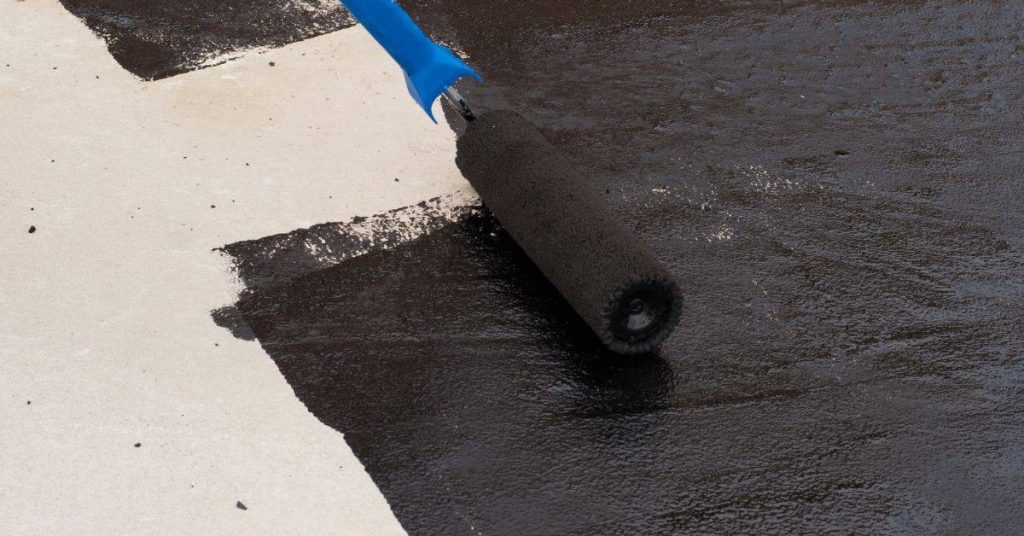
Paint roller applying black sealer on light tile surface

Microcement Over Tile: Prep, Base Coats, Sealer Choices, and DIY Success Factors

Introduction Microcement over tile is a system that coats existing tile with a cement-based finish after proper prep. This approach hinges on solid surface prep, compatible primers, and careful application to stay durable and look even. Base coats and layering are key, and you should follow the product instructions and check for compatibility with tile

Microcement Over Tile: Prep, Base Coats, Sealer Choices, and DIY Success Factors Read More »

Magnified view of radon symbol over cracked concrete wall.

Radon Fan Placement Basics: Best Locations, Vent Routing, and Common DIY Mistakes

Introduction Radon fan placement is choosing where to install the fan so it can move soil gas from beneath the slab to the outdoors. Pick a location that is accessible for maintenance and close enough to the intake so air can be drawn through the system. Always follow the manufacturer’s instructions and local rules when

Radon Fan Placement Basics: Best Locations, Vent Routing, and Common DIY Mistakes Read More »

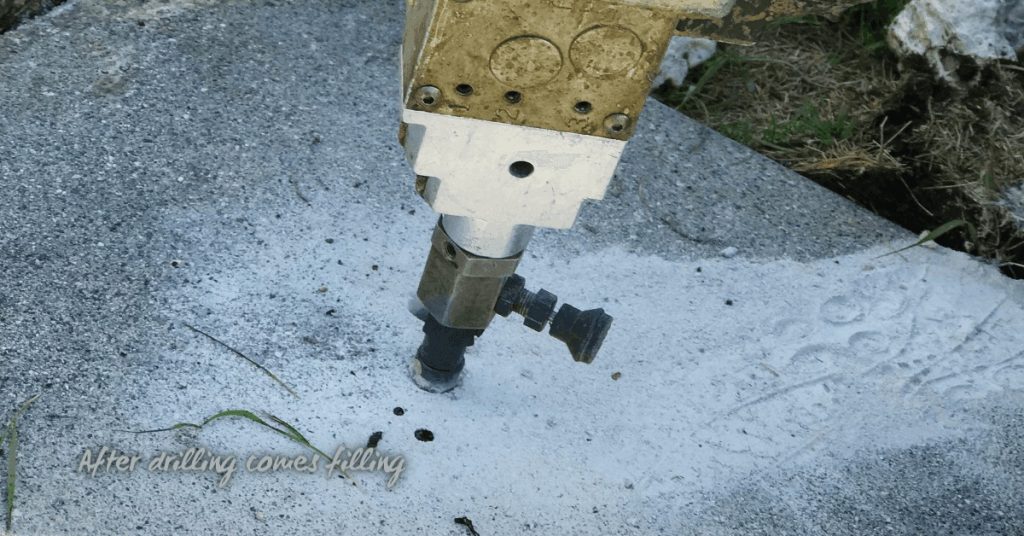
drill bit making hole in concrete slab outdoors

Radon Rough-In Under a Slab: Pipe Routing, Sealing, and Must-Have Details

Introduction Radon rough-in under a slab is routing and sealing a pipe under a concrete floor to vent soil gas safely. Do this with plain instructions: plan the path, verify access, and seal joints to limit leaks, while following local rules and manufacturer notes. Before you start, check local rules and follow any recommended testing

Radon Rough-In Under a Slab: Pipe Routing, Sealing, and Must-Have Details Read More »

Blue swimming pool water next to exposed aggregate concrete edge

Capillary Break Under Slabs: Materials, Foam-Glass Options, and Edge Details That Work

Introduction A capillary break under slabs is a layer or treatment that stops water from wicking from the soil into the concrete. In plain terms, it keeps moisture away from the slab to prevent dampness and cracking. Choose a method and materials that fit your climate and slab design. Foam-glass options can be used as

Capillary Break Under Slabs: Materials, Foam-Glass Options, and Edge Details That Work Read More »

polished concrete floor in industrial style living room

Cellular Concrete vs Gravel Fill for Basement Floors: Cost, Performance, and Moisture Behavior

Introduction Cellular concrete is a lightweight foamed concrete option, while gravel fill is compacted crushed stone. This article compares them in terms of cost, moisture behavior, and performance for a DIY basement floor. Keep in mind that installation methods vary widely depending on local rules and material specifications. Costs depend on material and labor, and

Cellular Concrete vs Gravel Fill for Basement Floors: Cost, Performance, and Moisture Behavior Read More »