Search Results for: product to seal between floor and wall

Smooth white plastered ceiling with single hanging light bulb

Blistering Plaster Finish Coats: Causes and a cleaner re-skim approach

Introduction Blistering plaster finish coats are finish layers that lift or bubble because moisture or poor adhesion gets trapped under the surface. In DIY work, heat, humidity, or applying a coat too thick can start blisters. A cleaner re-skim approach means removing the loose skin and reflowing the coat while following the product’s instructions. Begin […]

Blistering Plaster Finish Coats: Causes and a cleaner re-skim approach Read More »
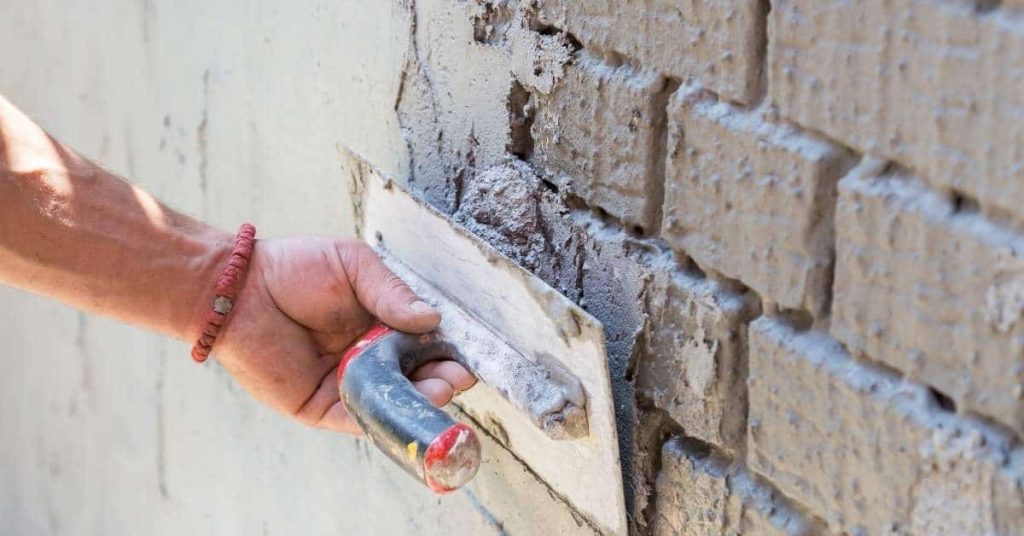
Hand applying plaster to brick wall with trowel

Sealing Lime Plaster: Protection options that still let walls breathe

Introduction Sealing lime plaster means applying a breathable coating that protects the wall without stopping moisture. Choose sealers or finishes that are specifically marked breathable and lime-plaster compatible. Test a small patch first and check the product label for indications of breathability and surface compatibility. Prepare and clean the wall, then apply in thin, even

Sealing Lime Plaster: Protection options that still let walls breathe Read More »

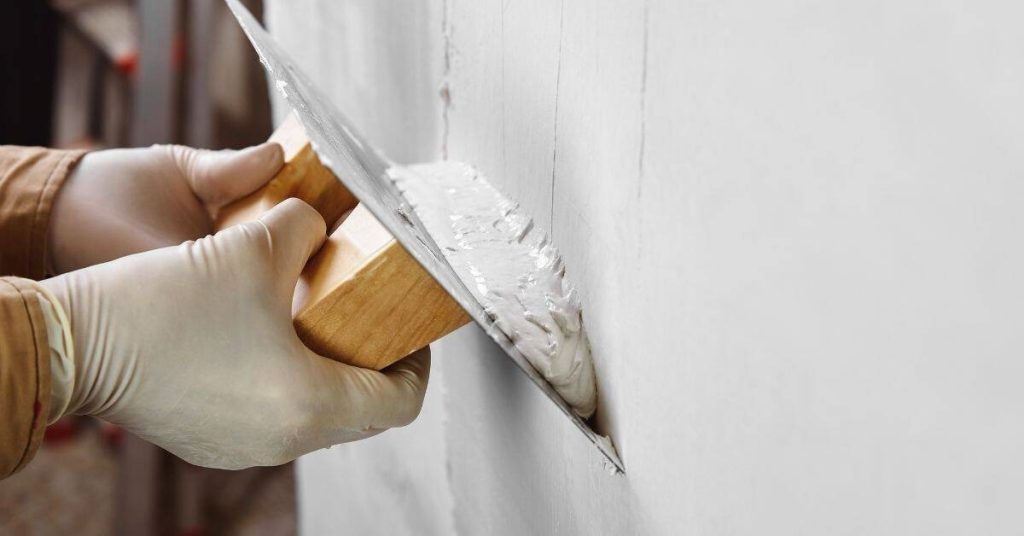
Hands applying plaster on wall with trowel

Pinholes in Venetian Plaster: Causes and application tweaks to prevent them

Introduction Pinholes in Venetian plaster are small surface holes that appear when the plaster or glaze dries with trapped air. They usually come from air pockets formed during mixing, application, or drying, especially if coats are too thick or work is too wet. Filling them after the fact is harder than preventing them. To prevent

Pinholes in Venetian Plaster: Causes and application tweaks to prevent them Read More »