Search Results for: primer sealer for concrete

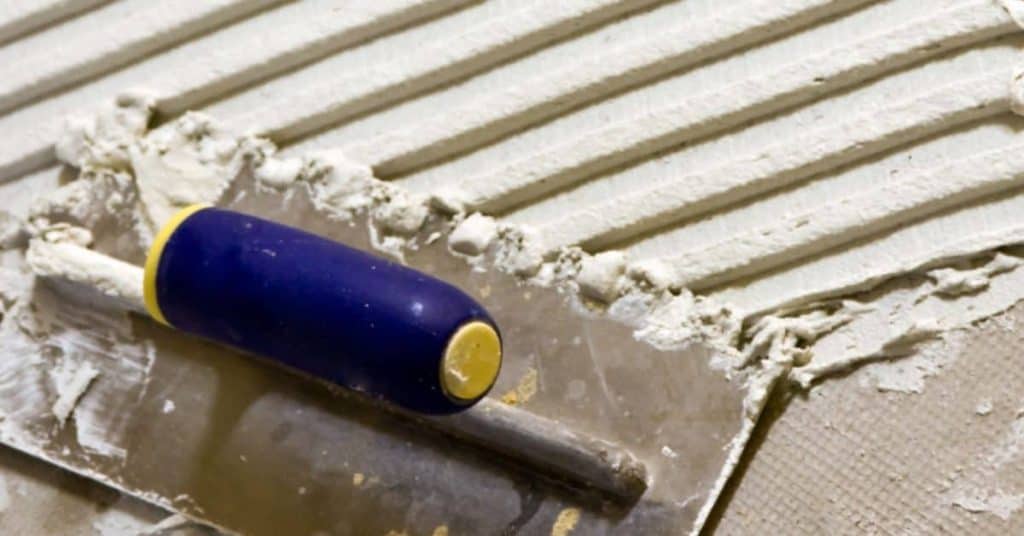
Notched trowel spreading adhesive on surface

Mastic Vs Thinset for Backsplashes: Where Mastic Is Safe and Where It Fails

Introduction Mastic is a flexible, premixed adhesive that some DIYers use for lightweight backsplashes. Thinset is a cement-based mortar that needs mixing and longer cure times. For most reliable backsplashes, you should check manufacturer guidance and local rules before choosing. Key takeaways Mastic is easier for small, dry layouts but unsuitable for wet areas. Thinset

Mastic Vs Thinset for Backsplashes: Where Mastic Is Safe and Where It Fails Read More »

Rubber mallet and level on concrete floor with tiles

Tile Substrate Checklist: What Must Be Flat, Solid, and Clean Before You Start

Introduction Your tile substrate must be flat, solid, and clean before you start. That means checking for levelness, firm backing, and a dust-free surface. If you find problems, fix them before laying tile. -None>Check the substrate with a straightedge or level and use the right patching or leveling products as directed on the label. Sweep

Tile Substrate Checklist: What Must Be Flat, Solid, and Clean Before You Start Read More »

Man applying plaster to wall with trowel wearing black glove

How to Patch Deep Holes in Plaster Without Shrinkage (Layering Strategy)

Introduction Patching deep holes in plaster without shrinkage means building the fill in gradual layers so the patch stays level as it dries. Prepare the cavity, mix or choose a filler suitable for plaster, and apply in thin coats, letting each dry as you go. This layering approach helps bridge the depth and reduce cracking.

How to Patch Deep Holes in Plaster Without Shrinkage (Layering Strategy) Read More »

Hand applying plaster to mesh-covered wall with putty knife

How to Repair a Bulging Plaster Wall (Flatten, Replace, or Re-Key?)

Introduction Bulging plaster walls are plaster that has pushed outward from the lath or studs. This article explains how to assess the damage, decide on a flatten, replace, or re-key approach, and stay practical on the job. You’ll learn how to inspect the condition, identify loose edges, and plan your repairs before you touch the

How to Repair a Bulging Plaster Wall (Flatten, Replace, or Re-Key?) Read More »

person smoothing white plaster on wall with trowel

How to Repair Cracked Plaster Without It Reappearing (Stabilize First)

Introduction Stabilizing the crack before patching is essential to keep plaster from reappearing. Identify the crack and check for signs of movement, moisture, or loose surrounding plaster before you start. Gather basic hand tools and the patching material you’ll use. Prepare the surface by cleaning away dust and loose material, and gently roughen slick edges

How to Repair Cracked Plaster Without It Reappearing (Stabilize First) Read More »

Worker applying drywall compound on ceiling with putty knife

How Long Does It Take to Reattach Loose Plaster with Washers? A Step-by-Step Timeline

Introduction Reattaching loose plaster with washers is a crucial repair task that requires careful planning and execution. Understanding the time commitment involved in each step helps you allocate your day effectively and ensures you complete the project successfully. This guide walks you through the process, breaking down the timeline so you know exactly how long

How Long Does It Take to Reattach Loose Plaster with Washers? A Step-by-Step Timeline Read More »

close-up of white textured stucco wall surface

How to Identify Your Stucco Type (Traditional, Acrylic, Eifs) Before Repairing

Introduction Identifying your stucco type means distinguishing traditional cement or lime-based stucco from acrylic and EIFS. Traditional stucco is usually cement-based, acrylic uses polymers, and EIFS adds an insulated finish. Check the surface feel, appearance, and any labeling to confirm the type before starting repairs. Have the right tools and materials on hand, including scrapers,

How to Identify Your Stucco Type (Traditional, Acrylic, Eifs) Before Repairing Read More »