Search Results for: primer sealer for concrete

Person painting wooden furniture frame with brush

Painting New MDF: Sealing Fuzzy Edges and Getting a Furniture-Like Finish

Introduction Painting new MDF to seal fuzzy edges and achieve a furniture-like finish means prepping the board, sealing the edges, and applying multiple coats of paint. This is a hands-on, methodical process you can do with basic tools and careful sanding. Start with light sanding and clean dust off the surface. Choose a sealer or […]

Painting New MDF: Sealing Fuzzy Edges and Getting a Furniture-Like Finish Read More »
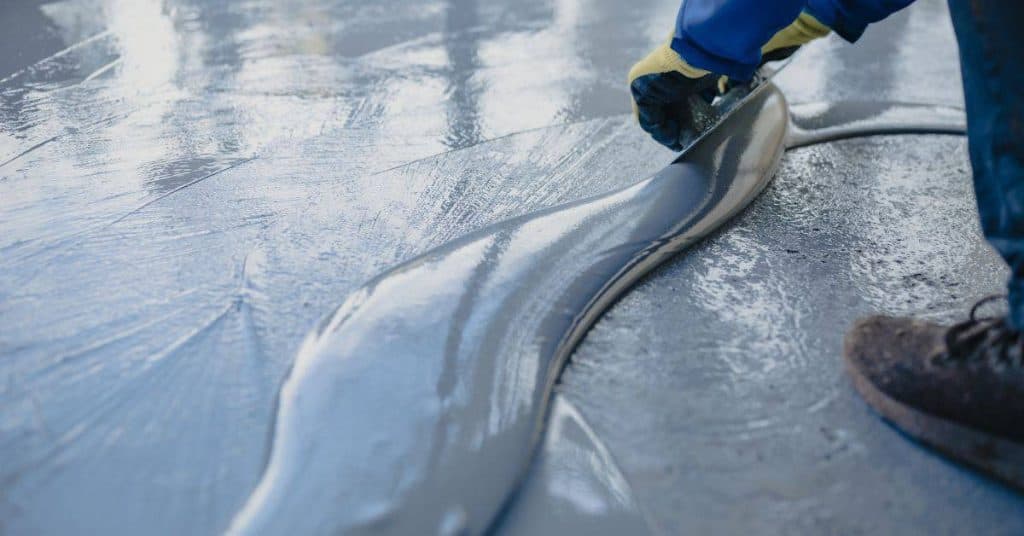
Person applying glossy epoxy coating on concrete floor

Painting Basement Walls Without Trapping Moisture: Mineral Paints vs. Acrylics vs. Epoxy

Introduction Painting basement walls without trapping moisture means choosing a coating and prep method that manages moisture rather than sealing it in. Start by diagnosing the wall condition and cleaning, repairing leaks, and planning ventilation before any paint goes on. Then determine if the wall needs moisture barriers, steps for drying, and whether to apply

Painting Basement Walls Without Trapping Moisture: Mineral Paints vs. Acrylics vs. Epoxy Read More »

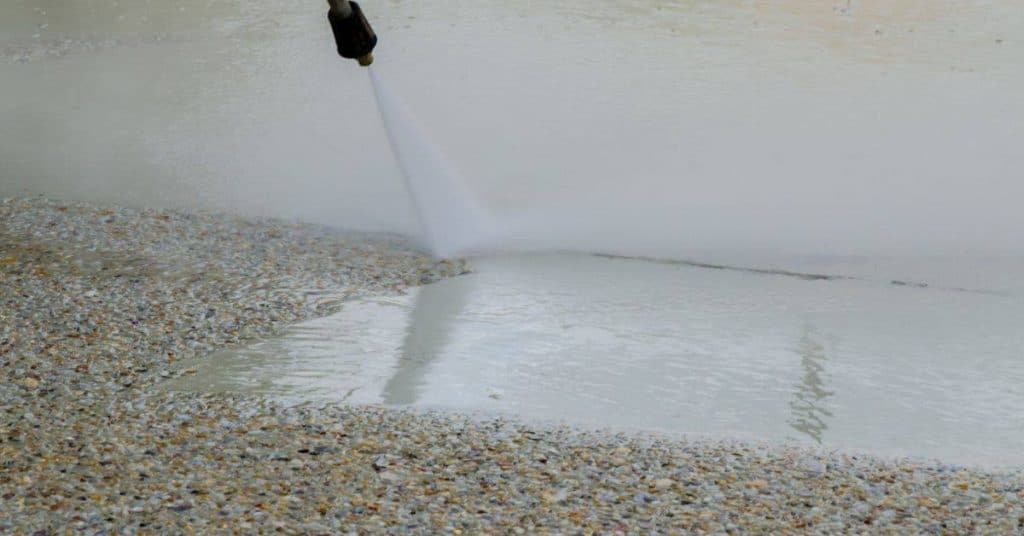
Pressure washing exposed aggregate concrete surface

Creating an Exposed Aggregate ‘Window’ in a Small Repair (Matching Existing Finish)

Introduction An exposed aggregate window is a small patch that reveals decorative stones after removing a portion of concrete to match the surrounding finish. Plan to cut a window in the existing slab, clean and dampen the area, and set up a simple form to keep edges neat. Check local rules and the patch will

Creating an Exposed Aggregate ‘Window’ in a Small Repair (Matching Existing Finish) Read More »

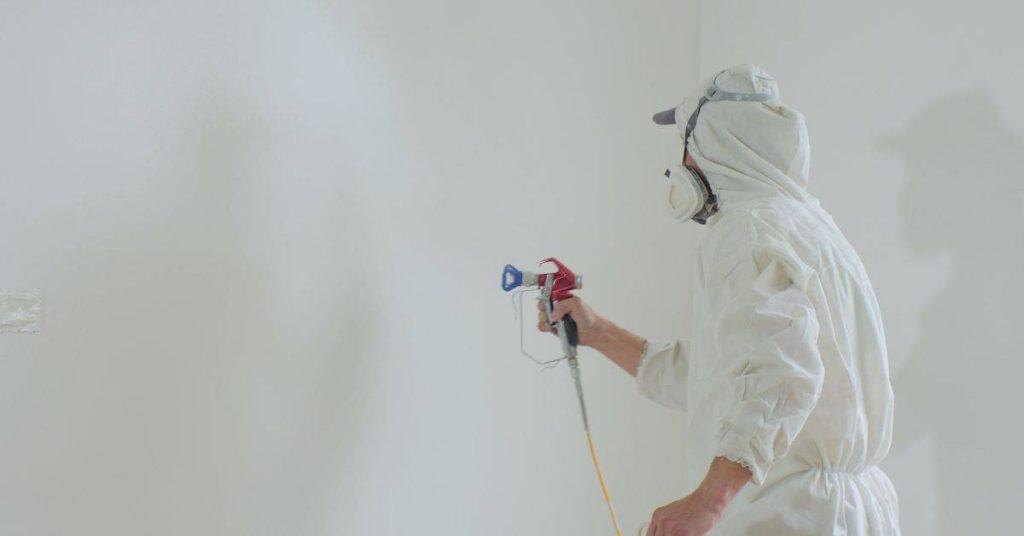
Worker in protective suit spray painting white wall indoors

Painting Around HVAC Registers and Returns: Clean Edges Without Gummed-Up Grilles

Introduction Painting around HVAC registers and returns means masking and preparing the edges so paint doesn’t bleed into the grilles. Prep the area by removing loose debris and laying down drop cloths, then set up masking to protect the grille openings. Keep grilles clean before you start to help the paint stick and to prevent

Painting Around HVAC Registers and Returns: Clean Edges Without Gummed-Up Grilles Read More »

Person in protective suit spraying paint on wall

Spraying vs. Brushing Exterior Trim: Where Overspray Creates Failures and How to Mask Smart

Introduction Overspray on exterior trim is when paint or coating lands beyond the intended edges, often causing runny lines and an uneven finish. Spraying can cover large areas quickly but risks drifting to adjacent surfaces, while brushing gives you more control at the edges. This article keeps it practical for DIY homeowners. Smart masking is

Spraying vs. Brushing Exterior Trim: Where Overspray Creates Failures and How to Mask Smart Read More »

Smooth white ceiling with recessed lighting fixture hanging

How to Paint Over Cracked Paint: When to Scrape, When to Feather, When to Skim

Introduction Scraping, feathering, or skim coating cracked paint are the three main ways to treat cracked paint before repainting. The choice depends on how deep the cracks are and how smooth you want the surface to be. Check labels and local rules if you need exact limits or product compatibility. Use scraping when paint is

How to Paint Over Cracked Paint: When to Scrape, When to Feather, When to Skim Read More »

Painter in protective suit spraying white paint on wall

Paint Sheen Touch-Up Problems: Why Patches Flash and How to Blend Them

Introduction Paint sheen touch-up problems occur when patches look noticeably shinier or duller than the surrounding wall after you repaint. They come from differences in sheen level, dry times, or how the old and new coats interact under lighting. The fix is about matching the finish and blending the edges so the patch isn’t obviously

Paint Sheen Touch-Up Problems: Why Patches Flash and How to Blend Them Read More »

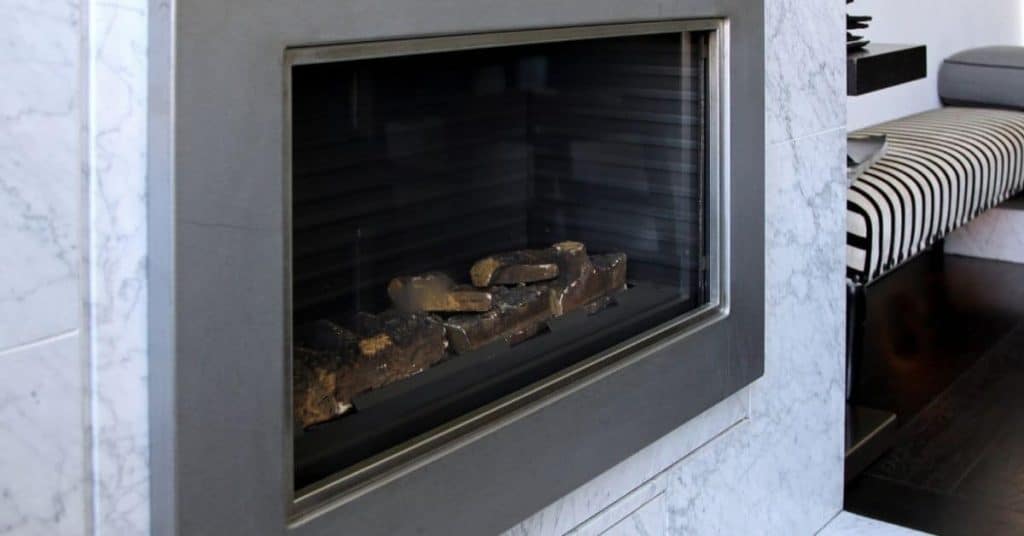
Modern gas fireplace with marble surround and striped bench nearby

How to Paint After Small Fire/Smoke Damage: Soot Removal, Odor Sealing, and Recoat Timing

Introduction This guide explains how to repaint after small fire and smoke damage. First, assess visible soot and smoke residue and clean the affected surfaces well. Use the right cleaners, wipe without rubbing, and remove loose debris before sealing. Odor sealing is used to lock in smells before a new coat. Check the product label

How to Paint After Small Fire/Smoke Damage: Soot Removal, Odor Sealing, and Recoat Timing Read More »

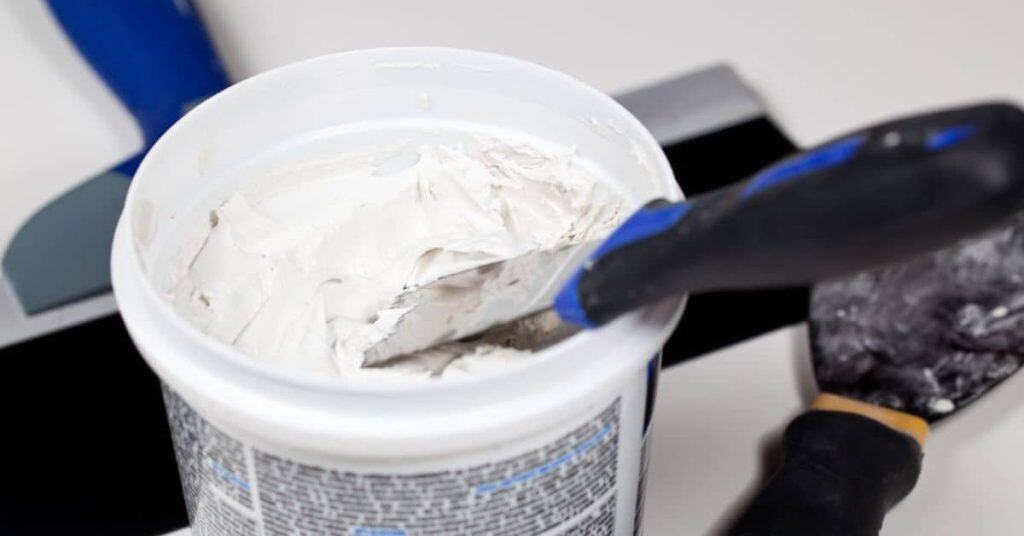
White spackle putty in tub with putty knife

How to Fix ‘Crawling’ Paint on Previously Waxed Surfaces (Decontamination Steps)

Introduction Crawling paint on previously waxed surfaces is paint that beads and drags, failing to adhere because a wax film repels the coating. This usually shows up where wax or cleaners were used before painting. You’ll fix it by cleaning, removing the wax, and preparing the surface for a fresh coat. Decontamination means removing the

How to Fix ‘Crawling’ Paint on Previously Waxed Surfaces (Decontamination Steps) Read More »