Search Results for: primer sealer for concrete

Close-up of rough stucco wall texture with light beige paint

Painting Stucco Without Killing Texture: Coverage methods that keep the look

Introduction Painting stucco without killing texture means applying paint in a way that preserves the surface texture while offering even coverage. Start with a clean, dry surface and repair damaged areas, then check the paint label for compatibility with stucco and any prep steps. Choose a paint type that is appropriate for exterior stucco and […]

Painting Stucco Without Killing Texture: Coverage methods that keep the look Read More »
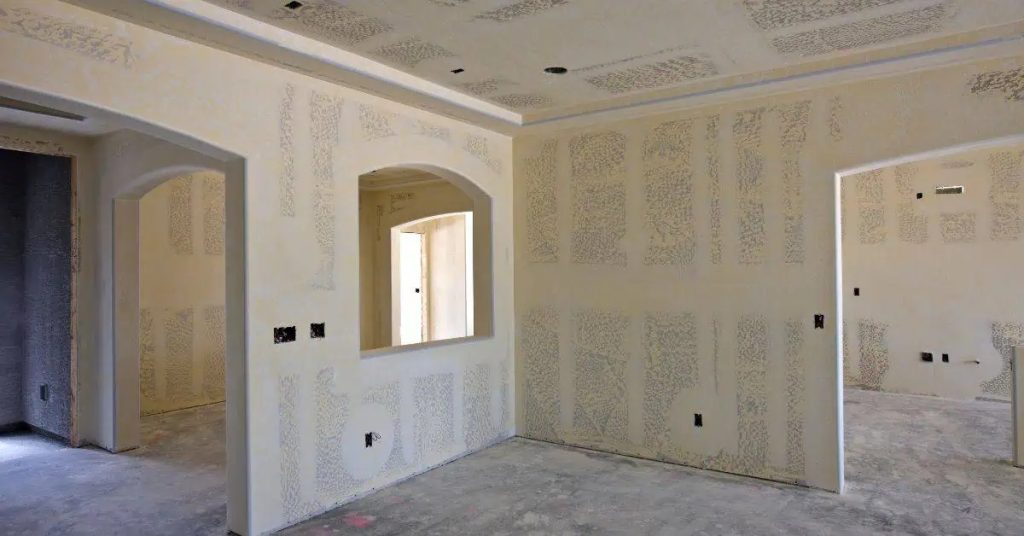
Room with drywall installed and joint compound patches visible

Repairing Raveled Joints: Rebuilding joint edges without creating a weak strip

Introduction Repairing raveled joints means rebuilding the edge of a concrete joint where the surface material has torn loose, without creating a weak, thin strip. Raveling happens when the joint edge flakes or spalls and exposes loose material that won’t hold up under movement. This is a hands-on job: you’ll remove the loose stuff, clean

Repairing Raveled Joints: Rebuilding joint edges without creating a weak strip Read More »

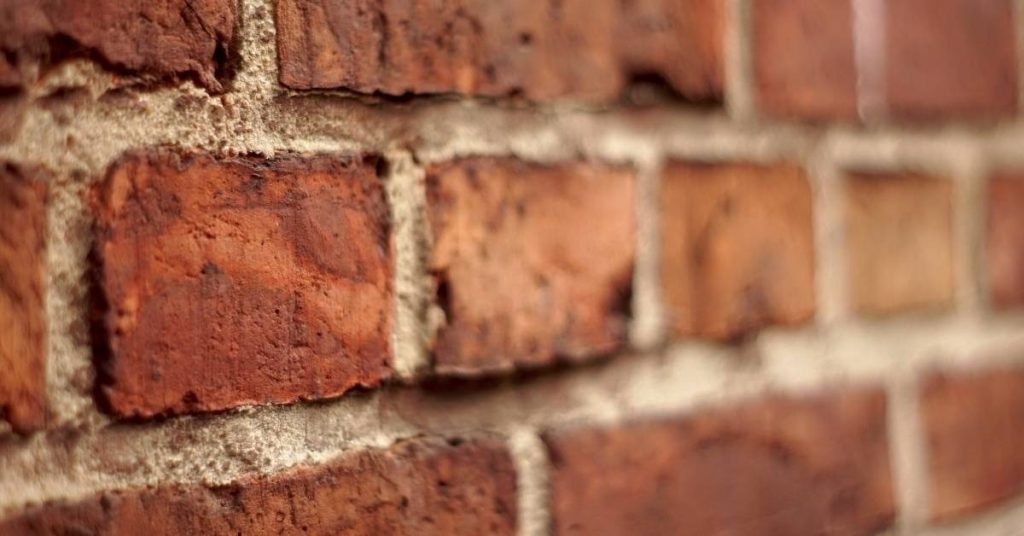
Closeup of red brick and mortar joints in wall

Caulk Pulling Away From Stucco: Why joints fail and how to rebuild them

Introduction Caulk pulling away from stucco happens when the seal between the joint and surface fails, allowing the caulk to separate from the wall. Common causes include movement in the building, sun and weather wear, improper surface prep, and using the wrong type of caulk. These gaps can trap moisture and worsen cracking, so addressing

Caulk Pulling Away From Stucco: Why joints fail and how to rebuild them Read More »

Brick chimney with smoke against clear blue sky

Chimney Stucco Cracks and Stains: Causes, repairs, and prevention

Introduction Chimney stucco cracks and stains are exterior flaws in the stucco coating caused by movement, moisture, or dirty runoff. These issues can signal underlying water intrusion or surface aging that needs attention. Identifying the cause helps you choose a safe, practical repair plan you can do yourself. Look for hairline cracks, efflorescence, or dark

Chimney Stucco Cracks and Stains: Causes, repairs, and prevention Read More »

Close-up of weathered pink stucco wall with discoloration

Elastomeric Coatings on Stucco: When they help and when they cause trouble

Introduction Elastomeric coatings are flexible sealants applied over stucco to bridge cracks and repel water. They can help by sealing tiny cracks and smoothing rough textures, but they need clean, sound surfaces. If the stucco is cracked or damp, or if the coating is too thick, problems can follow. They can cause trouble when moisture

Elastomeric Coatings on Stucco: When they help and when they cause trouble Read More »

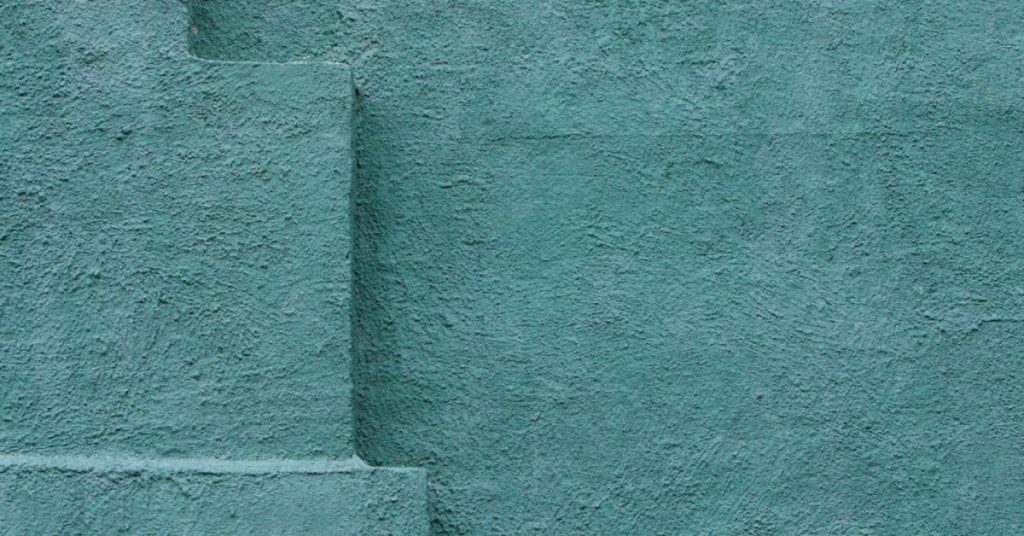
Close-up of blue stucco wall texture with slight indentations

Stucco Texture Repair After Pressure Washing Damage: How to rebuild the finish

Introduction This is the process of rebuilding a damaged stucco texture after pressure washing. You’ll assess the damage, prepare the surface, and re-apply texture to match the rest of the wall. Work in small sections and let your patch dry before finishing. Prepare the area by cleaning loose material and dampening the surface, then apply

Stucco Texture Repair After Pressure Washing Damage: How to rebuild the finish Read More »