Search Results for: primer sealer for concrete

White electrical outlet on a painted white wall

Limewash Over Previously Painted Walls: What Prep Makes It Stick (and What Doesn’t)

Introduction Limewash can be applied over previously painted walls with proper prep to let it stick. Start by cleaning and inspecting the surface, scraping off loose paint, and washing until it’s clean and dry. Then follow the product label directions and any local rules for bonding or priming as needed. In practice, the beginners’ approach […]

Limewash Over Previously Painted Walls: What Prep Makes It Stick (and What Doesn’t) Read More »

Workers applying fresh stucco to exterior house wall

Limewash on Exterior Stucco: When It Lasts and When It Chalks Off Fast

Introduction Limewash is a breathable coating made from lime putty and water that you apply to exterior stucco. It can darken or chalk as it ages, and how long it lasts depends on weather and how it’s applied. You should check the manufacturer’s guidance and local rules for reapplication and maintenance. On stucco, limewash lets

Limewash on Exterior Stucco: When It Lasts and When It Chalks Off Fast Read More »

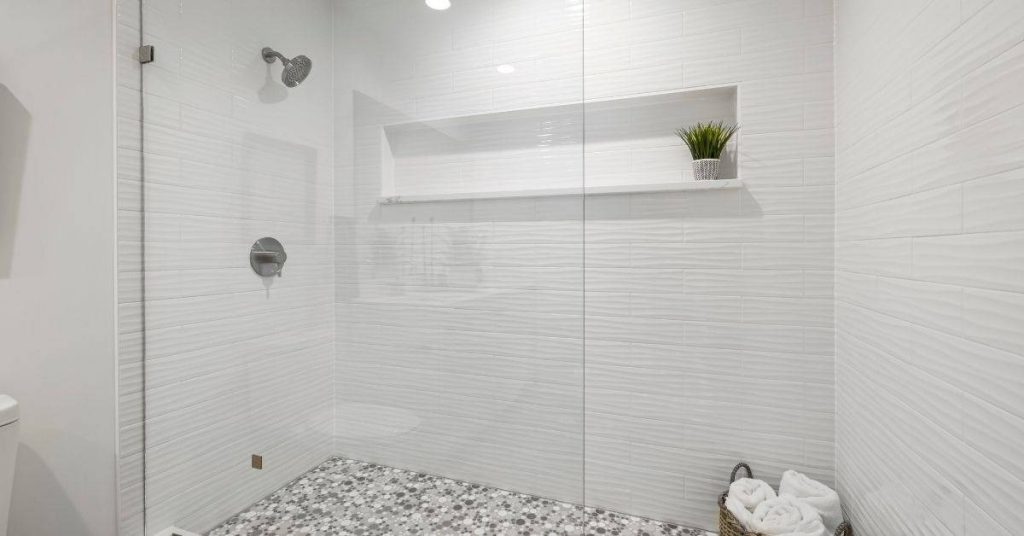
white textured tile shower with niche and glass door

Tadelakt on Shower Niches: Edge Details That Keep Water Out of Transitions

Introduction Tadelakt on shower niches is applying a polished lime-plaster finish to the niche with well-planned edge details to keep water from leaking into transitions. This is a hands-on DIY job, so you’ll be shaping and sealing the edges as you plaster and tile. Focus on edge trim profiles and how they meet the wall

Tadelakt on Shower Niches: Edge Details That Keep Water Out of Transitions Read More »

Paintbrush dipping into open can of blue paint

Paint Storage in Winter: Freezing Damage, Re-Mixing, and When to Toss a Can

Introduction Paint storage in winter means keeping paint properly so it doesn’t separate, freeze, or go bad and knowing when to toss leftovers. Cold conditions can cause damage to the mix or seal, so plan ahead to protect cans and contents. Keep lids tight, store upright, and avoid exposing cans to drafts or extremes. If

Paint Storage in Winter: Freezing Damage, Re-Mixing, and When to Toss a Can Read More »

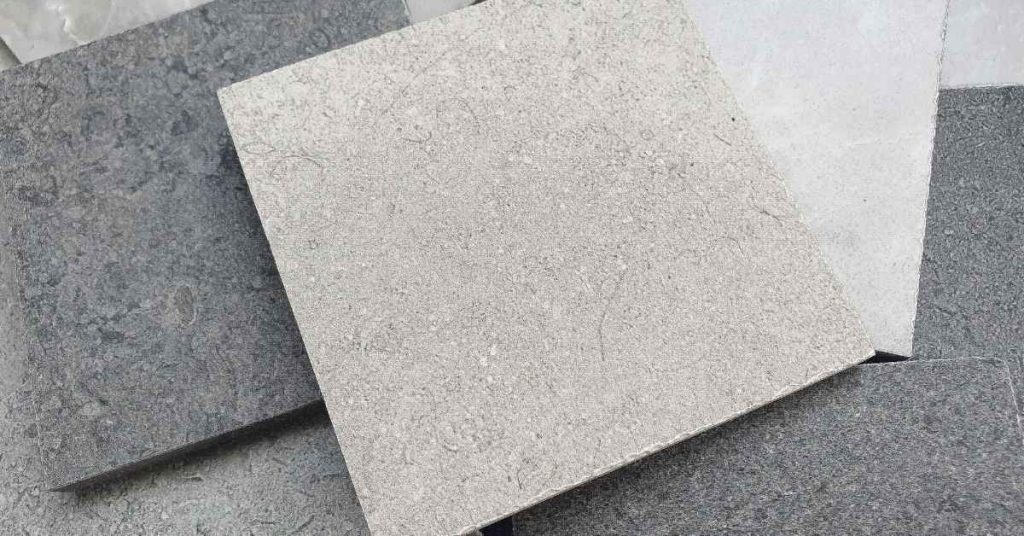
Close up of textured stone-like tiles in various gray shades

Form Liner Basics: Getting Consistent Texture and Avoiding Trapped Air Patterns

Introduction Form liner basics mean using flexible surface liners in concrete forms to shape texture and finish. They define the pattern you pull from the concrete and help control air pockets as the mix cures. We’ll cover how to choose liners, how they sit in the frame, and what to look for during setup. To

Form Liner Basics: Getting Consistent Texture and Avoiding Trapped Air Patterns Read More »

Hand applying white plaster with metal putty knife

Scagliola Basics: Making Faux-Marble Plaster Panels and Sealing Them for Real Use

Introduction Scagliola is a plaster technique used to imitate marble. Key takeaways Choose faux-marble panels when you want durable, low-maintenance decorative plaster. Prepare substrate with clean, sound surface and proper moisture management. Use sharp tools and steady mixing with PPE to avoid texture inconsistencies. Marbling requires even color distribution; test small panels before full cast.

Scagliola Basics: Making Faux-Marble Plaster Panels and Sealing Them for Real Use Read More »

Weathered pink stucco wall with discoloration and patches

Acrylic Finish Coats (Synthetic Stucco): When They’re Appropriate and How to Avoid Plastic-Looking Patches

Introduction Acrylic finish coats are a synthetic stucco layer applied to exterior walls for a hard, weather-resistant surface. They’re appropriate when you want a durable, low-maintenance outer coat that can flex with shifting framing. Choose a system that matches your substrate and climate, and verify guidance from the manufacturer or local rules. The installation steps

Acrylic Finish Coats (Synthetic Stucco): When They’re Appropriate and How to Avoid Plastic-Looking Patches Read More »

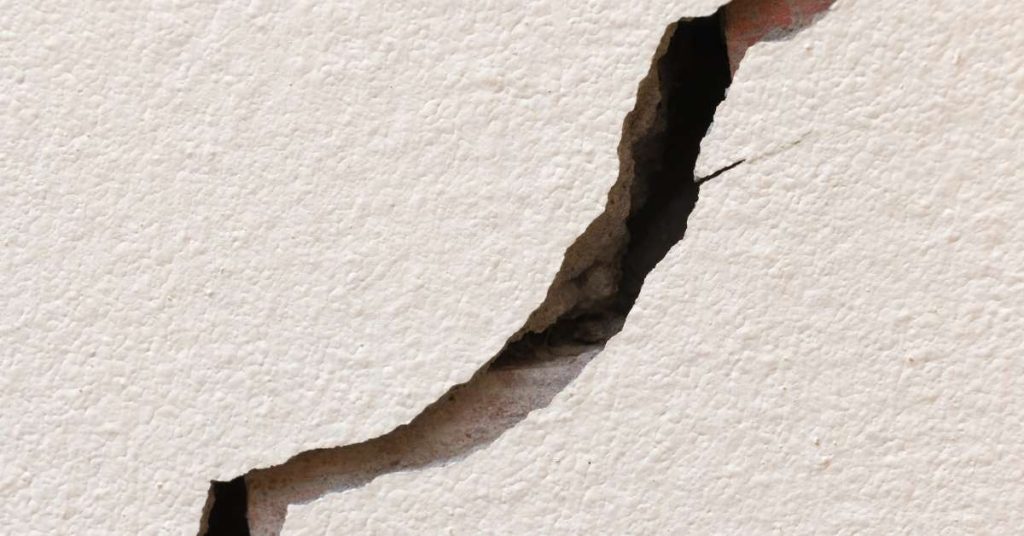
Close-up of a large crack in a stucco wall

Stucco Soffits and Overhangs: Crack Control at Framing Transitions and Vent Cutouts

Introduction Stucco soffits and overhangs are the sheltered edges under the roof where it meets the wall, and cracking happens where framing moves or openings exist. This article walks you through noticing those cracks early and keeping moisture out. You’ll learn simple, hands-on checks you can perform during a DIY project and what to fix

Stucco Soffits and Overhangs: Crack Control at Framing Transitions and Vent Cutouts Read More »

Smooth glossy gray epoxy coated floor inside a room

Dealing With Soft, Carbonated Surface Paste: Grind Depth, Densifiers, and Coating Compatibility

Introduction Soft, carbonated surface paste is the chalky, weakened layer on concrete that needs removal or stabilization before finishing. Start with a small test spot to gauge how deep you’ll need to grind, and avoid taking off more than necessary. Always check the tool’s pad wear and the manufacturer or local rules for safe grind

Dealing With Soft, Carbonated Surface Paste: Grind Depth, Densifiers, and Coating Compatibility Read More »

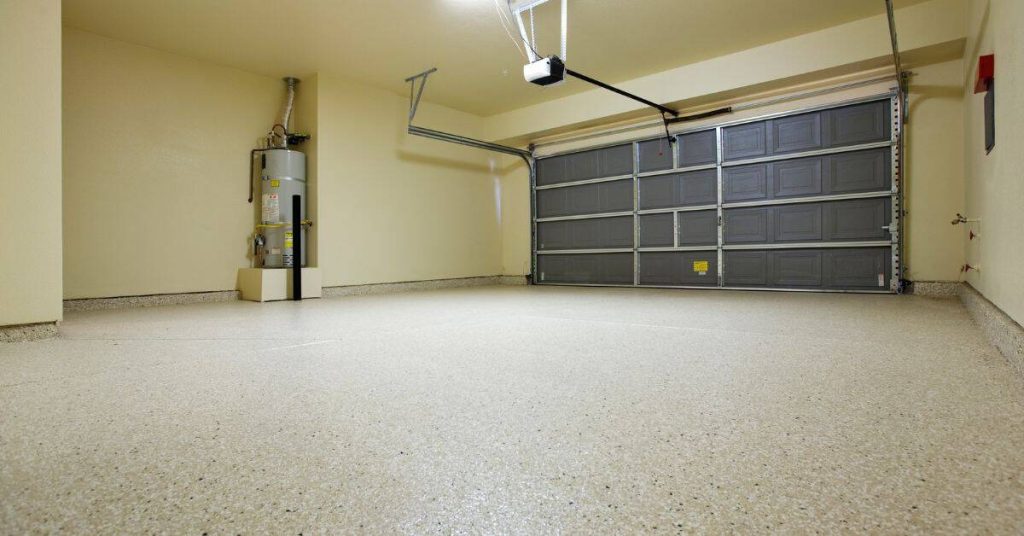
Clean epoxy-coated residential garage floor with water heater

Salt-Contaminated Garage Slabs: Cleaning Limits and Coating System Choices That Survive

Introduction Salt-contaminated garage slabs are concrete floors with salt residues that can interfere with finishes and moisture behavior. The salt can come from de-icing agents or nearby treatments, and this article explains what to expect when cleaning and choosing a coating that lasts. Salt residue can cause efflorescence, staining, and a weakened surface near joints,

Salt-Contaminated Garage Slabs: Cleaning Limits and Coating System Choices That Survive Read More »