Search Results for: primer sealer for concrete

Concrete driveway with brick border and green grass lawn

How to Create a Two-Tone Concrete Border: A Step-by-Step Timeline

Introduction Creating a two-tone concrete border involves careful planning and precise execution. Understanding the timeline is crucial for ensuring a successful outcome. This guide walks you through each step, from preparation to sealing, with an emphasis on how long each task takes, helping you plan your project efficiently. For the full guide, see How to […]

How to Create a Two-Tone Concrete Border: A Step-by-Step Timeline Read More »
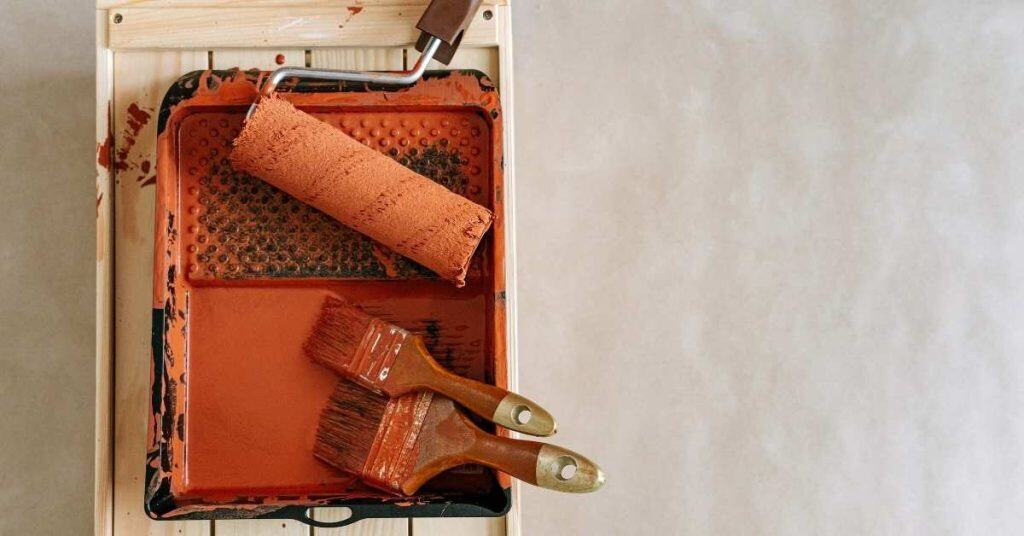
Rust-colored paint roller and brushes in paint tray

Why Primer Fails: Common Adhesion and Stain Problems, Simple Tests, and Reliable Fixes

Introduction Primer fails when it cannot stick to the surface or is overwhelmed by stains; in plain terms, failed adhesion and bleed-through mean the primer lost the mechanical or chemical grip it needs or contaminants pushed through. I’ll walk you through what usually causes those problems on a jobsite and how to spot them before

Why Primer Fails: Common Adhesion and Stain Problems, Simple Tests, and Reliable Fixes Read More »

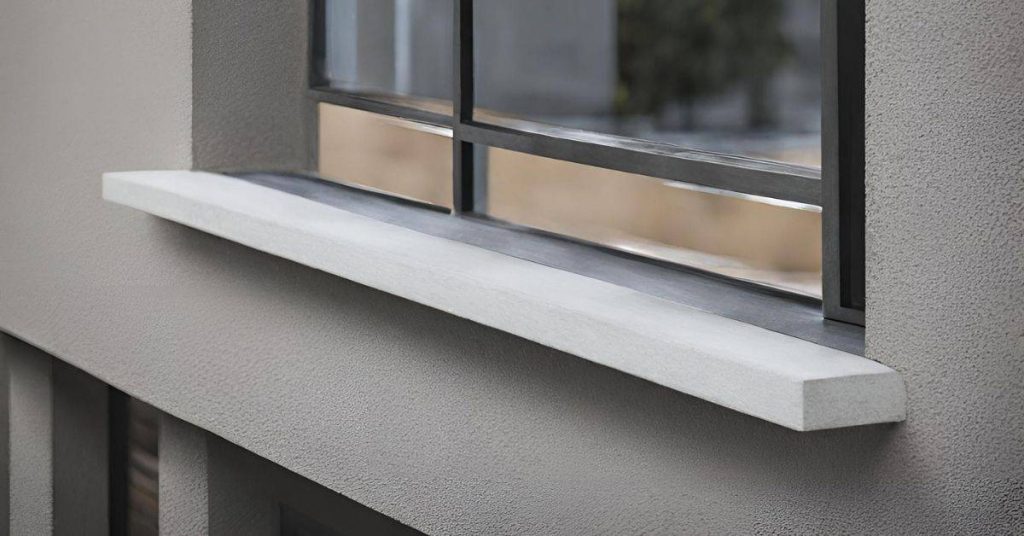
Smooth sandblasted concrete window sill beneath glass window

How to Match a Sandblasted Concrete Finish in a Small Repair

Introduction Matching a sandblasted concrete finish in a small repair means removing the same surface layer and recreating the texture and color so the patch blends with the surrounding slab. This requires cleaning and profiling the repair area, choosing a compatible repair mortar or topping, and using a light abrasive technique to mimic the sandblasted

How to Match a Sandblasted Concrete Finish in a Small Repair Read More »

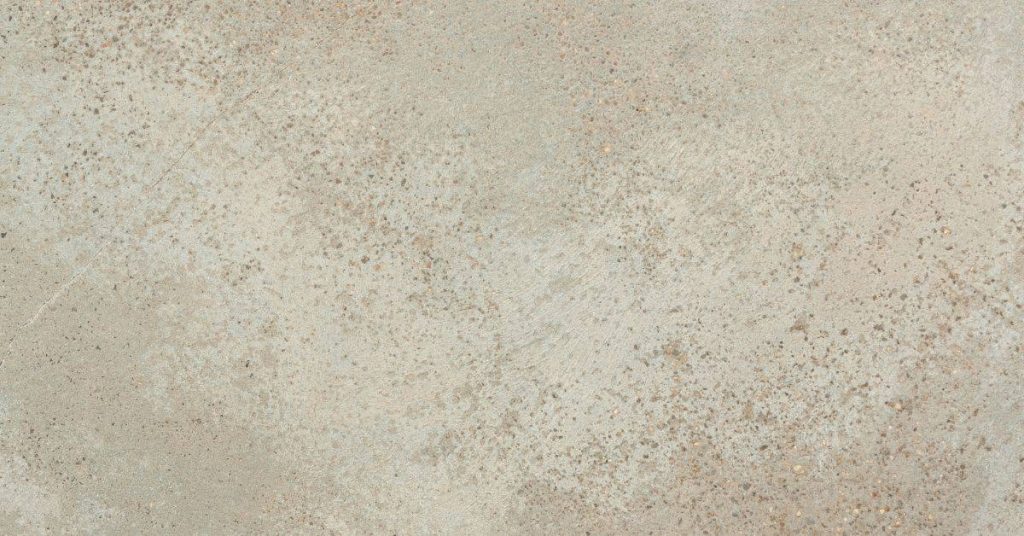
closeup of textured concrete surface with salt finish

Concrete Salt Finish Patching: How to Recreate the Texture Without Obvious Islands

Introduction Concrete salt finish patching is a way to match the coarse, pocked texture of an existing salt finish by embedding and removing salt or an aggregate substitute so the repair blends in. This job is hands-on: you clean and profile the old concrete, feather the repair edges, and match the mix and timing so

Concrete Salt Finish Patching: How to Recreate the Texture Without Obvious Islands Read More »

Gas-powered power trowel smoothing wet concrete with rotating blade ring.

DIY Concrete Surface Hardener Application: Broadcast vs Spray and How to Avoid Dusty Spots

Introduction Concrete surface hardeners are coatings or dry-shake materials applied to fresh or cured concrete to increase surface abrasion resistance and reduce dusting. They can be clear or amber-tinted; the tint changes appearance and may help hide scratches but check the product label or manufacturer instructions for compatibility and coverage. Think like a foreman: choose

DIY Concrete Surface Hardener Application: Broadcast vs Spray and How to Avoid Dusty Spots Read More »

Rows of concrete blocks arranged on racks for curing

How to Stop Concrete Patch Color Mismatch: Water Control, Curing, and Tint Options

Introduction Stopping concrete patch color mismatch means controlling water, curing, and surface tinting so the patched area dries and weathers like the surrounding slab. Focus first on water management at the mix and jobsite—too much or too little water changes color and texture, so check product labels and adjust by feel and small test patches.

How to Stop Concrete Patch Color Mismatch: Water Control, Curing, and Tint Options Read More »

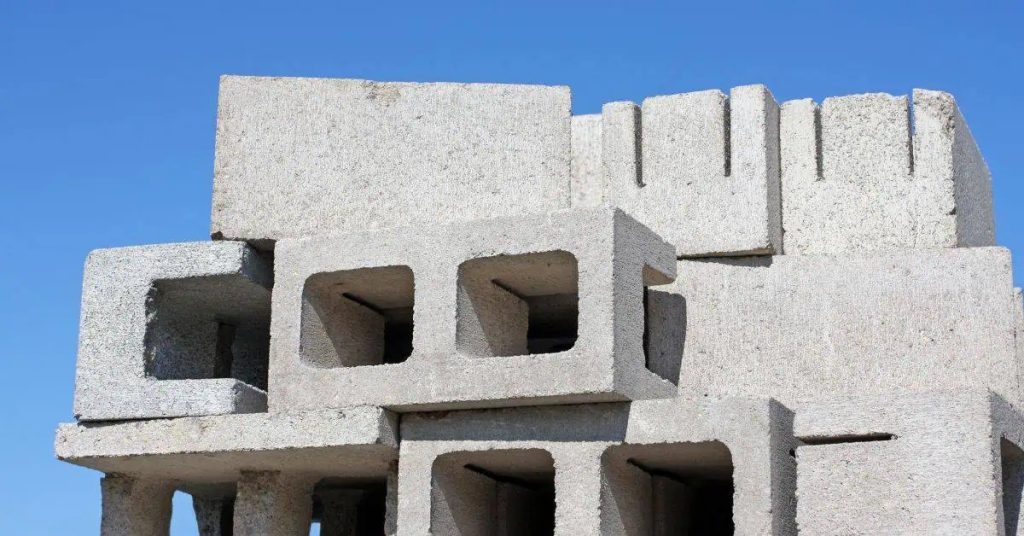
Stack of gray concrete cinder blocks against clear blue sky

Concrete Planter Waterproofing: Sealers, Liners, and Drain Details That Prevent Cracking

Introduction Concrete planter waterproofing means keeping moisture out of the concrete and away from the reinforcement so the planter holds up without cracking. Use breathable sealers or a physical liner and make sure water can drain—check product labels and local guidance for compatibility and cure times. This is a hands-on job: prep the surface, apply

Concrete Planter Waterproofing: Sealers, Liners, and Drain Details That Prevent Cracking Read More »

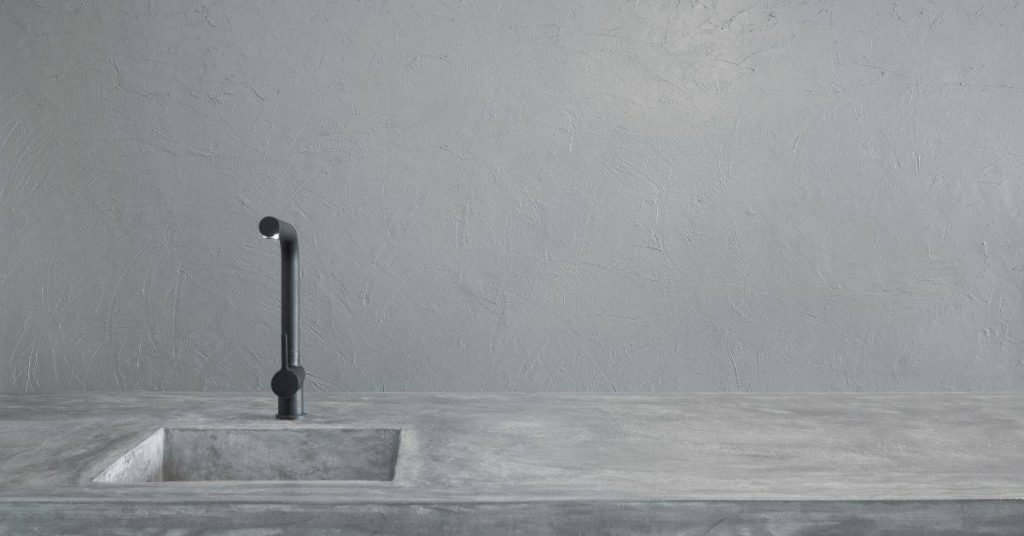
modern concrete countertop with integrated sink and black faucet

Repairing a Concrete Countertop Chip at the Sink: Edge Build-Up and Reseal Workflow

Introduction Repairing a concrete countertop chip at the sink means rebuilding the damaged edge with a compatible patch compound, shaping it to match the surrounding profile, and then resealing the repair so water can’t get in. This is a hands-on patch-and-finish job you can do with basic tools, but check the patch product label and

Repairing a Concrete Countertop Chip at the Sink: Edge Build-Up and Reseal Workflow Read More »

concrete countertop with built-in sink and black faucet

Concrete Countertop Sealer Selection: Food-Safe Reality, Heat, and Stain Resistance

Introduction Concrete countertop sealer selection is choosing the finish that protects the slab while matching needs for food safety, heat handling, and stain resistance. In plain jobsite terms: some sealers are formulated to be food-safe once fully cured, others are not, and heat or stain performance varies by chemistry and film thickness. Check product labels

Concrete Countertop Sealer Selection: Food-Safe Reality, Heat, and Stain Resistance Read More »

Stamped concrete patio with rectangular stone-pattern blocks beside a pool.

Repairing Faded Stamped Concrete: Recolor Options and Reseal Without Trapping Moisture

Introduction Repairing faded stamped concrete means bringing back color and protecting the surface without sealing in moisture that can cause further damage. It’s a hands-on job of cleaning, fixing small surface defects, choosing a recolor method that matches the existing look, and then applying a sealer chosen for breathability and surface conditions. Check product labels

Repairing Faded Stamped Concrete: Recolor Options and Reseal Without Trapping Moisture Read More »