Search Results for: power grout vs grout

How to Remove Cured Spray Foam from Concrete and Masonry Surfaces Without Damaging Them

How to Remove Cured Spray Foam from Concrete and Masonry Surfaces Without Damaging Them

Introduction Cured spray foam can be removed from concrete and masonry without damaging the surface. The guide walks you through practical methods, safety considerations, and cautious techniques to loosen, lift, and clean the foam while protecting the substrate. You’ll learn how to assess the foam, choose appropriate approaches, and apply a step-by-step process that reduces […]

How to Remove Cured Spray Foam from Concrete and Masonry Surfaces Without Damaging Them Read More »

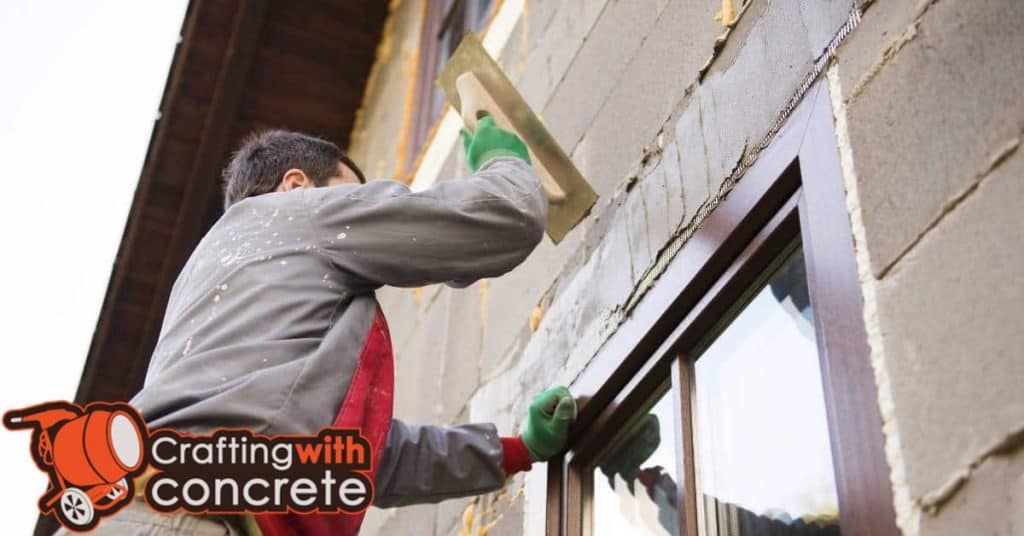
Step-by-Step: Performing a Diy Moisture Scan Around Windows and Flashing in Stucco Walls

Step-by-Step: Performing a Diy Moisture Scan Around Windows and Flashing in Stucco Walls

Introduction You can perform a DIY moisture scan around windows and flashing in stucco walls to detect hidden moisture. The guide walks through practical steps, safety tips, and common signs of water intrusion, so you’ll learn how to inspect flashing, assess the condition around window openings, and understand what actions to take to protect the

Step-by-Step: Performing a Diy Moisture Scan Around Windows and Flashing in Stucco Walls Read More »

Best Sealants and Tapes for Repairing Wrbs Around Window and Door Openings

Best Sealants and Tapes for Repairing WRBs Around Window and Door Openings

Table of Contents Overview: Why WRB Repairs Around Openings Matter Sealant Types and Best Uses (Silicone, Polyurethane, Hybrid/MS) Flashing Tapes vs Liquid‑Applied Membranes Surface Preparation and Adhesion Best Practices Installation Sequences and Step‑by‑Step Flashing Details Technical Specs to Compare (Adhesion, Movement, UV, Temp) Product Selection Flowchart and Climate/Substrate Guidance Tools, Materials Checklist and Job-Site Best

Best Sealants and Tapes for Repairing WRBs Around Window and Door Openings Read More »

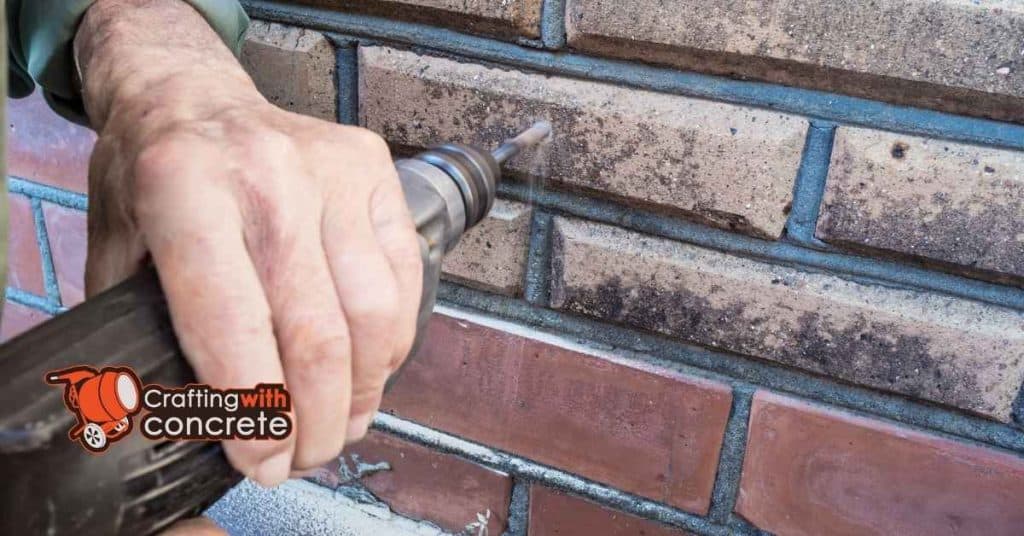
Anchorage in Old Brick—Safe Methods and Cautions

Anchorage in Old Brick—Safe Methods and Cautions

Table of Contents Overview and Purpose Assessing Brick & Mortar Condition Brick Types and Their Implications Mortar Joint Characteristics and Risks Anchor Types—Overview Choosing the Right Anchor Load Types and Calculations Drill Bits, Hole Preparation, and Cleaning Installing Mechanical Anchors (Step-by-Step) Installing Chemical (Adhesive) Anchors (Step-by-Step) Anchoring into Hollow Brick and Cavity Walls Anchorage for

Anchorage in Old Brick—Safe Methods and Cautions Read More »

Anchoring into Cmu Hollow Block: Screen Tube Method

Anchoring into Cmu Hollow Block: Screen Tube Method

Table of Contents Quick Overview — What is a CMU (Hollow Block) and why anchoring differs Anchor options for hollow CMU — pros and cons What is the screen tube (masonry sleeve) method? Step-by-step installation of the screen tube method Load capacities, testing, and engineering considerations Recommended fastener sizes, materials, and brands Common use cases,

Anchoring into Cmu Hollow Block: Screen Tube Method Read More »

Avoiding Blow-Through in Thin Walls While Drilling

Avoiding Blow-Through in Thin Walls While Drilling

Table of Contents Why blow-through happens: causes and mechanics Planning and safety checklist before you drill Choosing the right drill and settings Selecting the optimal drill bit for each substrate Techniques to control the exit and prevent chipping Workholding, supports, and jigs for consistent results Substrate-by-substrate step-by-step methods Accessories and shop solutions that make prevention

Avoiding Blow-Through in Thin Walls While Drilling Read More »

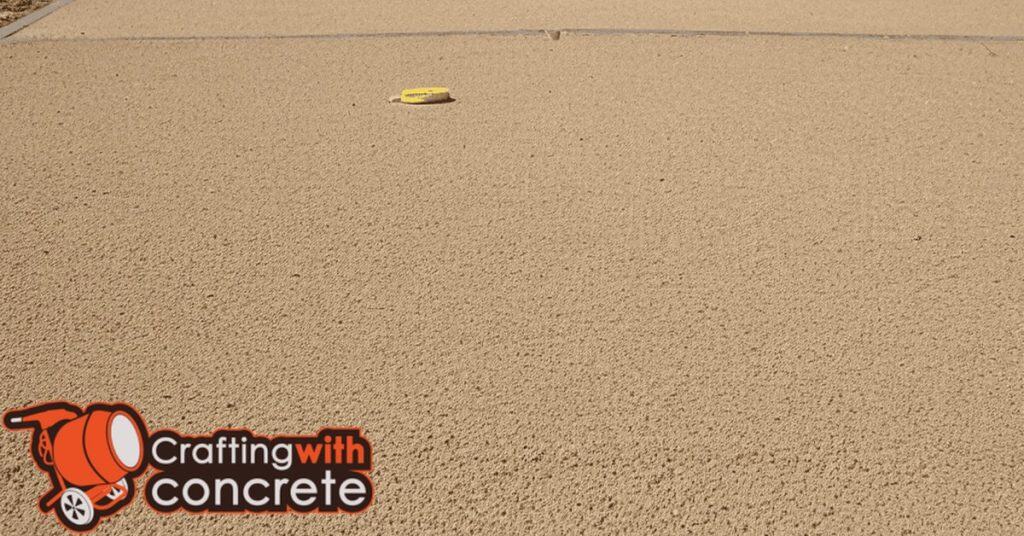
Repairing Broom Finish in Concrete After a Bad Pass

Repairing Broom Finish in Concrete After a Bad Pass

Table of Contents Quick Triage — Is Repair Possible or Is a Re-pour Needed? Common Causes of a Bad Broom Pass Tools, Materials and Safety Before Repair Surface Preparation and Timing for Repairs Repair Methods — Step-by-Step Procedures Matching and Recreating Broom Texture Finishing, Curing and Sealing After Repair Quality Acceptance, Documentation and Communication Preventative

Repairing Broom Finish in Concrete After a Bad Pass Read More »

Rapid-Set Products: Where They Shine and Common Mistakes

Rapid-Set Products: Where They Shine and Common Mistakes

Table of Contents What “Rapid-Set” Means — Chemistry, Set vs. Cure Times Types of Rapid-Set Products and Typical Uses Use-Cases Where Rapid-Set Products Shine Preparation and Best-Practice Application Steps Tools, Mixing Tips, and Managing Pot Life Environmental Constraints — Temperature, Humidity, and Weather Strength, Durability, Compatibility, and Long-Term Performance Common Mistakes, Troubleshooting, and Repair Options

Rapid-Set Products: Where They Shine and Common Mistakes Read More »

Mixing Pea-Gravel Concrete That Spreads Easily for Pads

Mixing Pea-Gravel Concrete That Spreads Easily for Pads

Table of Contents Overview and Best Uses for Pea-Gravel Concrete Materials, Tools, and Pea-Gravel Prep Mix Designs and Ratios for Flowability Preparing the Base, Forms, and Reinforcement for Pads Step-by-Step Mixing and Placement Procedure Finishing, Curing, and Sealing for Durability Adjusting Mix On-Site: Troubleshooting Workability and Strength Planning, Costing, Safety, and Logistics Maintenance, Common Problems,

Mixing Pea-Gravel Concrete That Spreads Easily for Pads Read More »

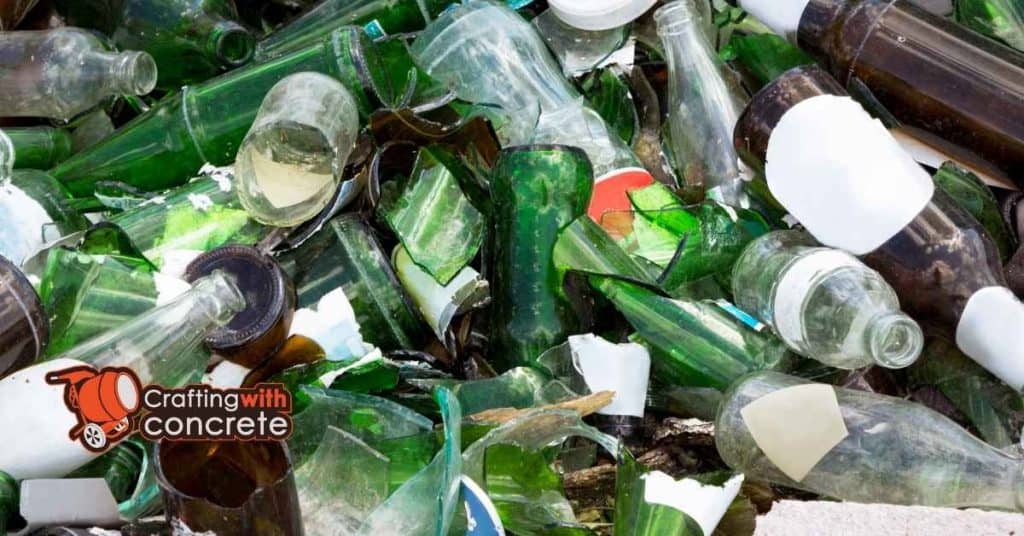
Using Recycled Glass as Decorative Aggregate—Safety Notes

Table of Contents What is recycled glass aggregate (cullet) and common sizes Health concerns: sharpness, cuts, and handling Inhalation risks and silica considerations Safe preparation and processing of recycled glass DIY crushing and safety protocols Sourcing recycled glass: municipal programs and suppliers Applications suitable for decorative recycled glass Installation best practices to minimize safety risks

Using Recycled Glass as Decorative Aggregate—Safety Notes Read More »