Search Results for: polishing

Exterior of house with stucco finish and tiled roof

Glass Pozzolan vs Fly Ash: Performance, Finish, and Supply Realities in 2026

Introduction Glass pozzolan and fly ash are supplementary cementitious materials that can boost concrete performance when used properly. They can improve strength development, workability, and finish quality, but results depend on the mix, curing, and finished surface. Always check the product label and follow manufacturer instructions and local rules for compatibility with your cement and […]

Glass Pozzolan vs Fly Ash: Performance, Finish, and Supply Realities in 2026 Read More »

Close-up of spiked roller on smooth epoxy floor

Nano-Silica in Small Batches: Benefits, Dispersion Tricks, and When It’s Not Worth It

Introduction Nano-silica in small batches means using tiny silica particles in an epoxy mix to boost performance without big-scale formulation. Keep it practical: check the epoxy label for compatibility, follow manufacturer guidance, and stay within local rules. In DIY projects, reliable resources and a few reputable references are worth a look before you start. If

Nano-Silica in Small Batches: Benefits, Dispersion Tricks, and When It’s Not Worth It Read More »

Stacked precast concrete hollow core slabs outdoors

Internal Curing With Lightweight Aggregate: Reducing Shrinkage in Thin Slabs and Countertops

Introduction Internal curing with lightweight aggregate is a method that uses porous, low-density aggregate inside the mix to keep moisture available for hardening. This approach helps manage moisture in thin slabs and countertops as they cure, especially when you’re working with limited thickness. Always follow the material instructions and local rules to ensure proper use.

Internal Curing With Lightweight Aggregate: Reducing Shrinkage in Thin Slabs and Countertops Read More »

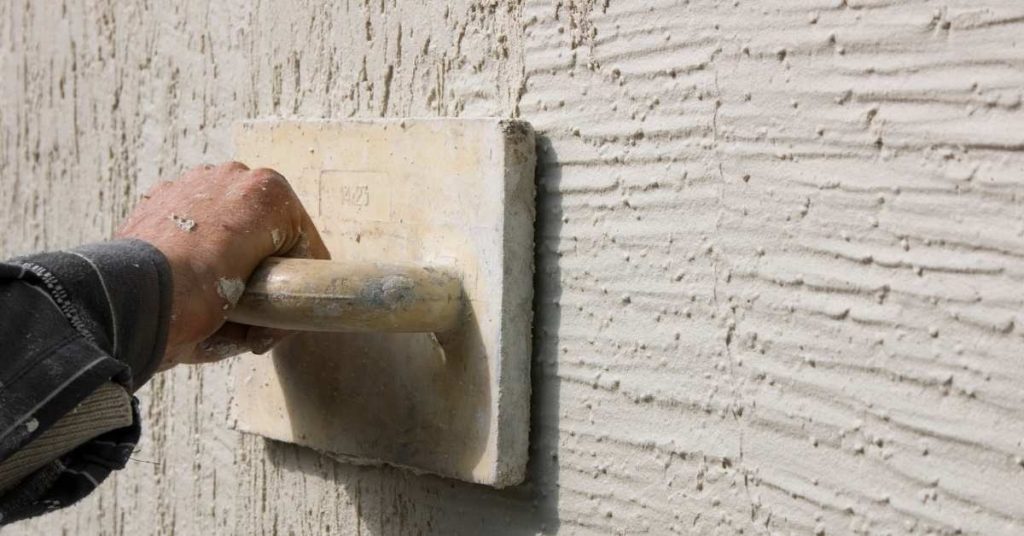
Hand smoothing textured stucco wall with float

GFRC Countertops: Face Coat vs Backer Coat (and How to Avoid Pinholes)

Introduction GFRC countertops use a thin face coat over a cement-rich backer to give the look of stone while keeping strength and cost in check. The face coat forms the visible surface and texture, while the backer provides depth and rigidity. In DIY practice, you’ll mix, pour, and cure them in layers, paying attention to

GFRC Countertops: Face Coat vs Backer Coat (and How to Avoid Pinholes) Read More »

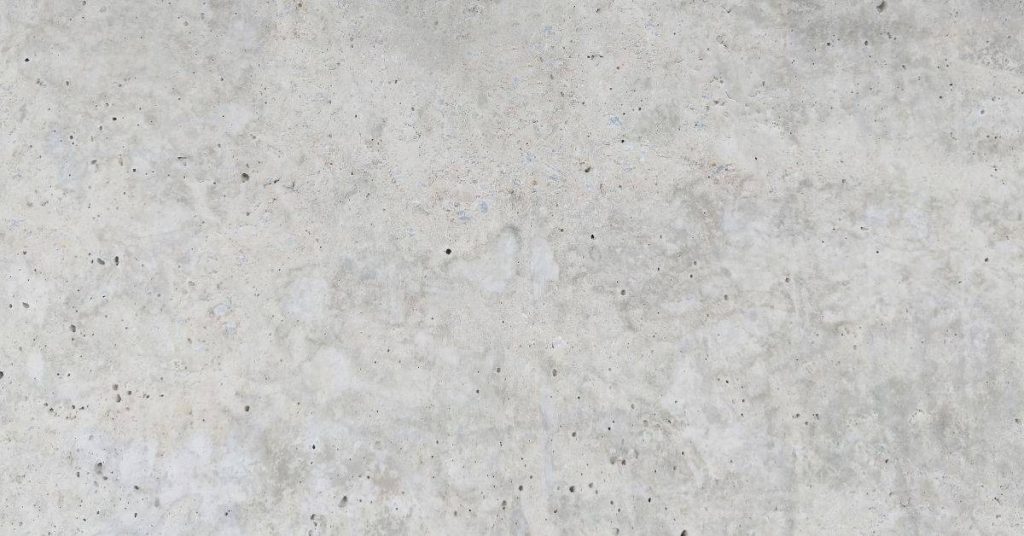
Concrete surface with small holes and surface pitting

Hairline Cracks in Countertops: Repair methods that don’t leave lines

Introduction Hairline cracks in countertops are tiny, surface-level fractures that often appear in concrete or stone slabs. They can be caused by shrinkage, temperature changes, or minor impacts during curing and use. Polishing can sometimes reveal hidden flaws, so assess the whole slab before deciding how to fix it. For repair, choose materials designed for

Hairline Cracks in Countertops: Repair methods that don’t leave lines Read More »

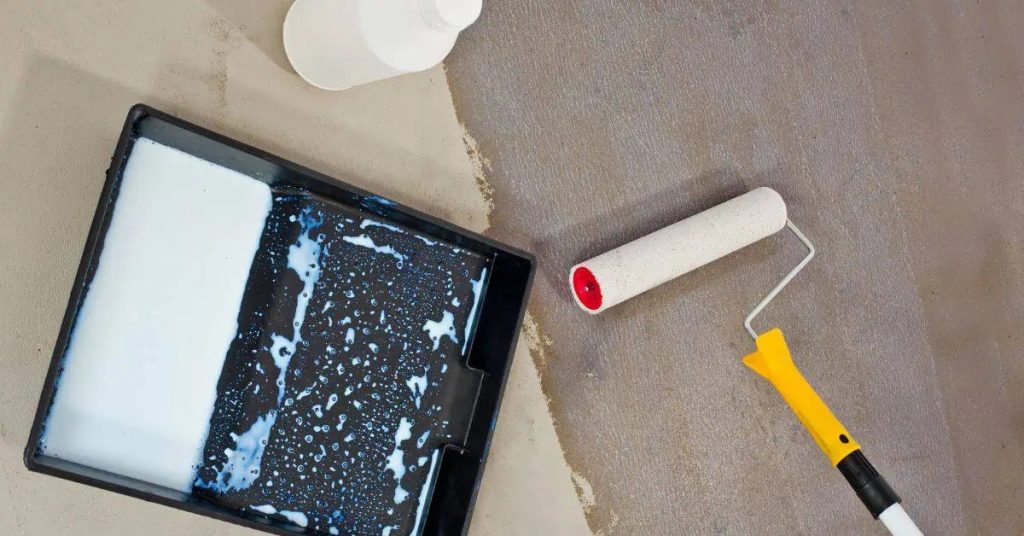
Paint roller and tray with white primer on concrete floor

Etching on Concrete Countertops: Fixing dull spots without changing sheen

Introduction Etching on concrete countertops is the process of lightly abrading the surface to restore or adjust the sheen in dull spots. It’s a hands-on fix you can do with basic tools. Start by identifying dull spots, then prep the area by cleaning and protecting surrounding surfaces, and check any product or finish labels for

Etching on Concrete Countertops: Fixing dull spots without changing sheen Read More »

Concrete slab being smoothed with a long-handled float

Control Joints That Look Bad: Making sawcuts straighter and less noticeable

Introduction Control joints that look bad are joints in concrete that are crooked or wavy and draw the eye. They’re not meeting the surface cleanly, and that makes the floor look unfinished. A straight, neat sawcut can dramatically improve the overall look with less crowding around the joints. Your best bet is to use proper

Control Joints That Look Bad: Making sawcuts straighter and less noticeable Read More »

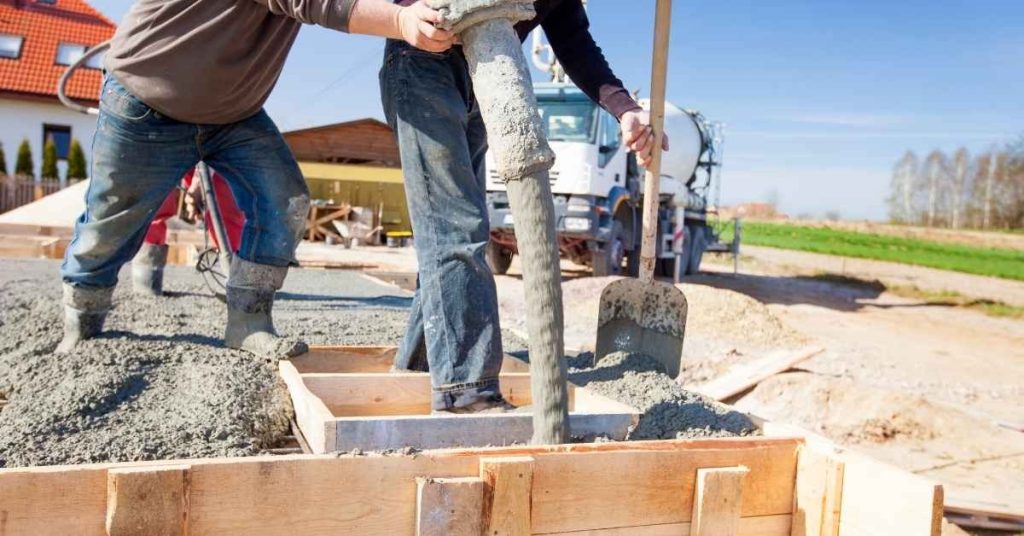
Workers pouring concrete into wooden frame outdoors

Stripping Concrete Sealer: Chemical vs grinding—what’s safer for your slab

Introduction Stripping concrete sealer boils down to choosing between chemical removal and grinding. Chemicals dissolve or soften the sealer, while grinding removes it by abrasion. For DIYers, weigh safety, dust control, and surface prep, and check labels and manufacturer instructions. Grinding creates dust and potential heat, while chemicals require ventilation and proper disposal. Adhesion of

Stripping Concrete Sealer: Chemical vs grinding—what’s safer for your slab Read More »