Search Results for: polished concrete spa

Worker laying concrete pavers on gravel base

Hydration Stabilizer vs Retarder: What’s the Difference and Which to Choose

Introduction A hydration stabilizer is an additive that slows changes in cement hydration to keep the concrete mix workable longer. It helps maintain slump and workability without a dramatic early stiffening. Always check the product label and manufacturer instructions for proper usage, dosage, and compatibility with your mix and additives. In contrast, a conventional retarder […]

Hydration Stabilizer vs Retarder: What’s the Difference and Which to Choose Read More »

Modern gas fireplace with marble surround and striped bench nearby

Paint Colors Designers Reuse: The Classics That Work (and When They Don’t)

Introduction Classic paint colors are tried-and-true shades that designers and homeowners reuse because they balance light, space, and mood. They work well in many rooms when you want a calm, timeless backdrop that lets furniture and art stand out. But they can feel flat in small spaces or clash with modern finishes if you don’t

Paint Colors Designers Reuse: The Classics That Work (and When They Don’t) Read More »

Hand using steel trowel to smooth wet concrete surface

Steel Trowel vs Magnesium Float: Which Finish Fits Which Job

Introduction Steel trowel finish is a smooth, hard surface created by pulling steel blades across fresh concrete to close the surface. It yields a dense, glassy look when done correctly. Use it carefully, as over-troweling can trap moisture or create a brittle surface. Magnesium float finish is a light, textured surface achieved by smoothing with

Steel Trowel vs Magnesium Float: Which Finish Fits Which Job Read More »

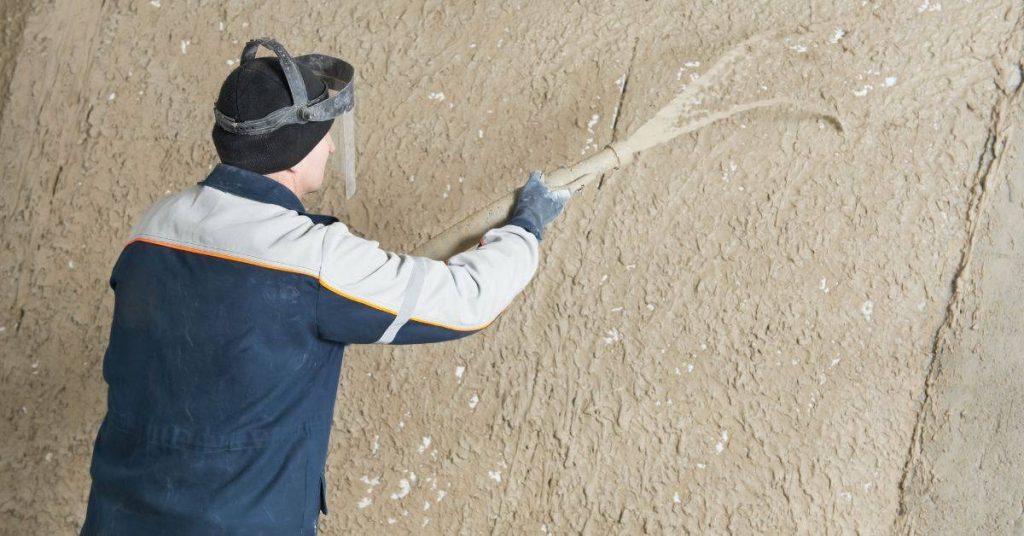
Worker spraying plaster onto wall wearing safety gear

Restoring Plaster Picture Rails: Patch Techniques That Preserve Shadow Lines

Introduction Restoring plaster picture rails means repairing damaged plaster while keeping the thin, shadowed groove where the rail meets the wall intact. This is a hands-on patch job that focuses on feathering new material into the old, matching texture, and protecting the shadow line during work. Expect to use basic plastering tools, patching compounds, and

Restoring Plaster Picture Rails: Patch Techniques That Preserve Shadow Lines Read More »

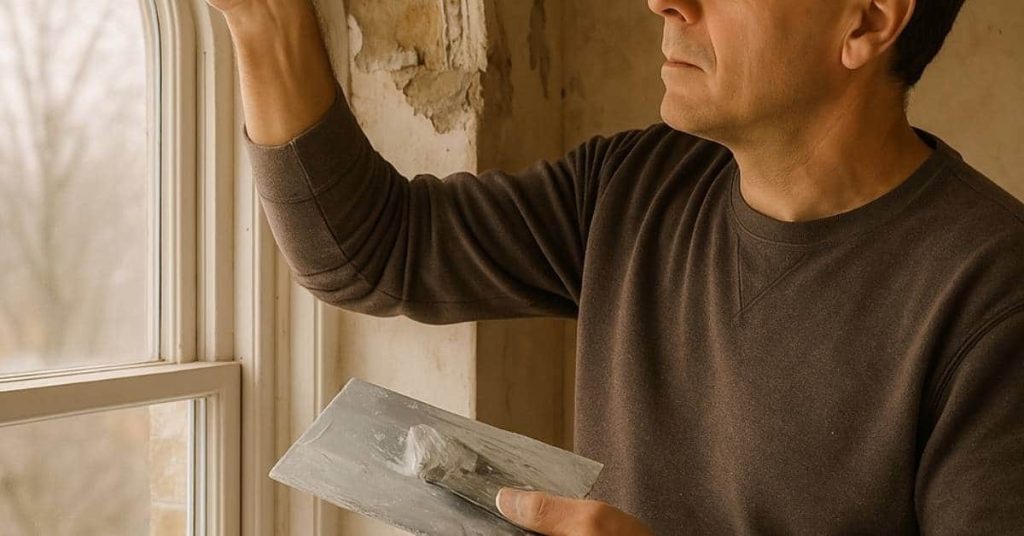
Man applying plaster near window casing with trowel

Repairing Plaster Around Window Casings: Keeping Returns Straight and Corners Crisp

Introduction Repairing plaster around window casings means removing loose material, backing up the returns, and filling and finishing so the casing meets the wall with straight returns and crisp corners. This is a hands‑on job that starts with good surface prep and the right tools—check product labels for compatibility and drying times before you buy.

Repairing Plaster Around Window Casings: Keeping Returns Straight and Corners Crisp Read More »

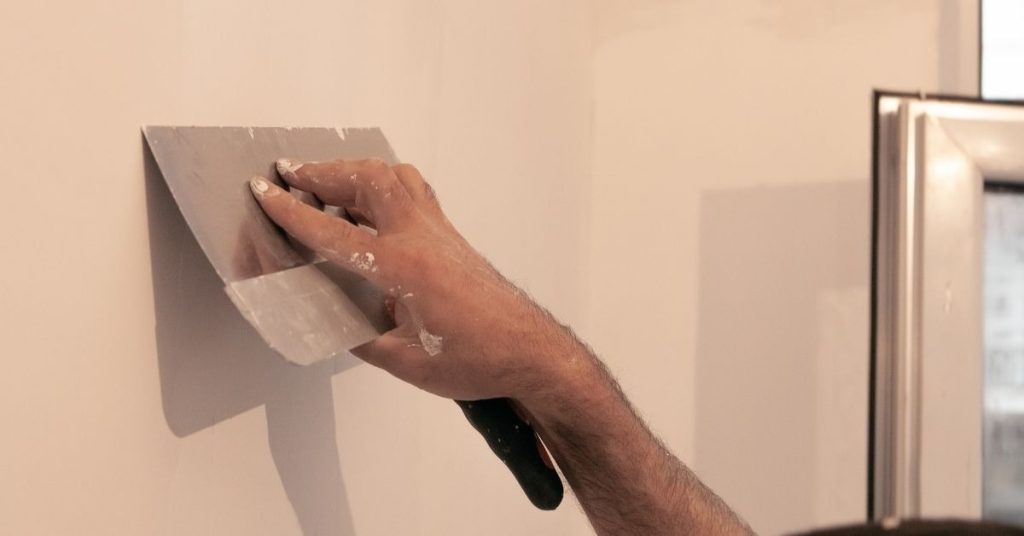
Hand applying plaster smoothing wall with trowel

Plaster Over Blueboard: When Veneer Plaster Beats Joint Compound for Smooth Walls

Introduction Plaster over blueboard means applying a veneer plaster finish bonded to the paper-faced gypsum board rather than feathering multiple coats of joint compound; it’s a different material and technique used when a harder, smoother surface is wanted. Veneer plaster generally requires cleaner, keyed surfaces and different tools than joint compound, so check product instructions

Plaster Over Blueboard: When Veneer Plaster Beats Joint Compound for Smooth Walls Read More »

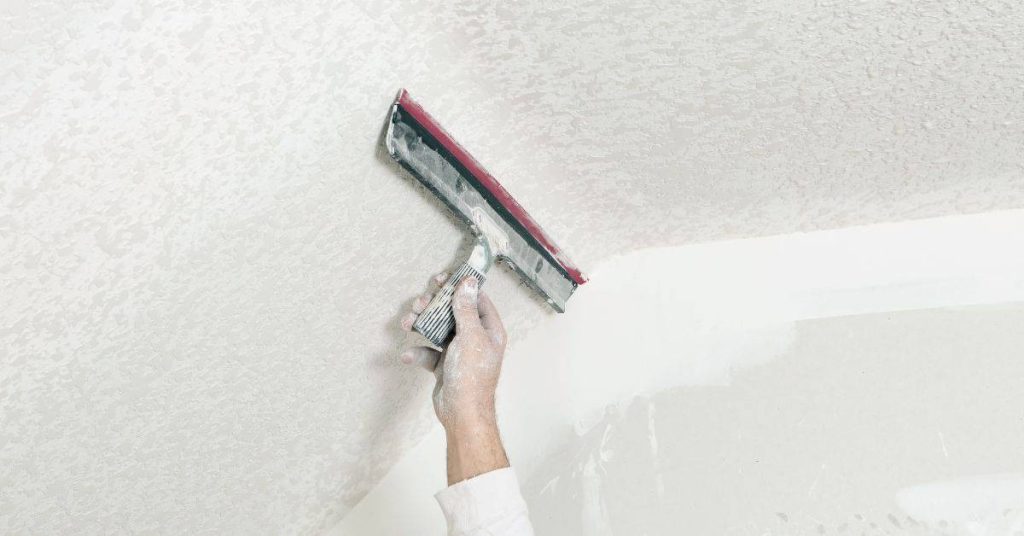
Hand applying plaster to textured wall with metal trowel

Tadelakt Soap Application: How to Maintain Water Resistance Without Streaks

Introduction Tadelakt soap application is the manual rubbing of a fatty soap into cured lime-based plaster to create and maintain a water-resistant, burnished surface. It’s a hands-on finish: you’ll work small areas, rub until the surface feels slick, and then buff to a sheen while avoiding run streaks. Check the soap product label and manufacturer

Tadelakt Soap Application: How to Maintain Water Resistance Without Streaks Read More »

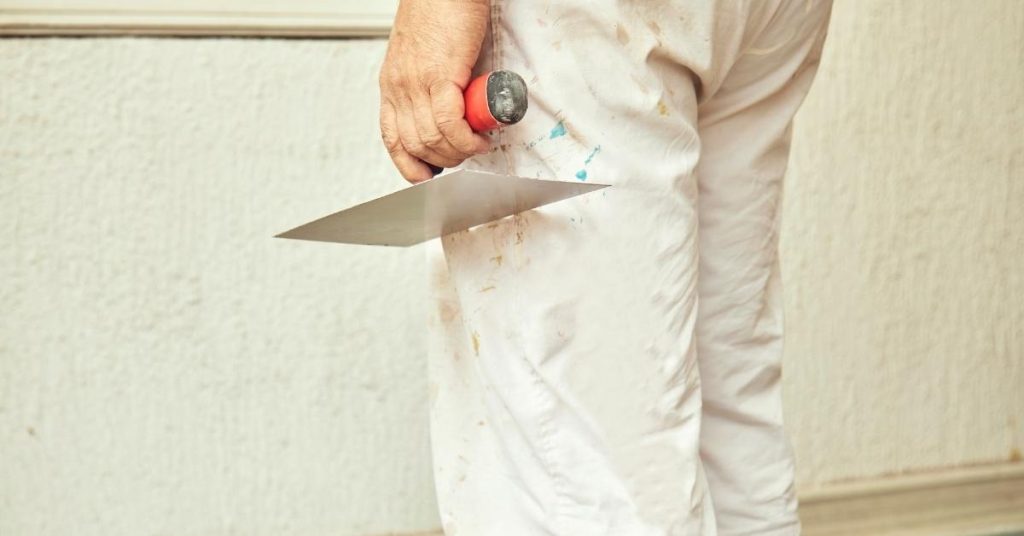
Hand holding plastering trowel against white wall background

Venetian Plaster Burnishing: Tool Choice, Timing, and How to Avoid Black Marks

Introduction Venetian plaster burnishing is the final rubbing of a polished plaster surface to compact and shine it using the right tools at the right moment. Pick flexible trowels or burnishers suited to your plaster type and check the product label for recommended tools, and make sure the base coat is dry and sound before

Venetian Plaster Burnishing: Tool Choice, Timing, and How to Avoid Black Marks Read More »

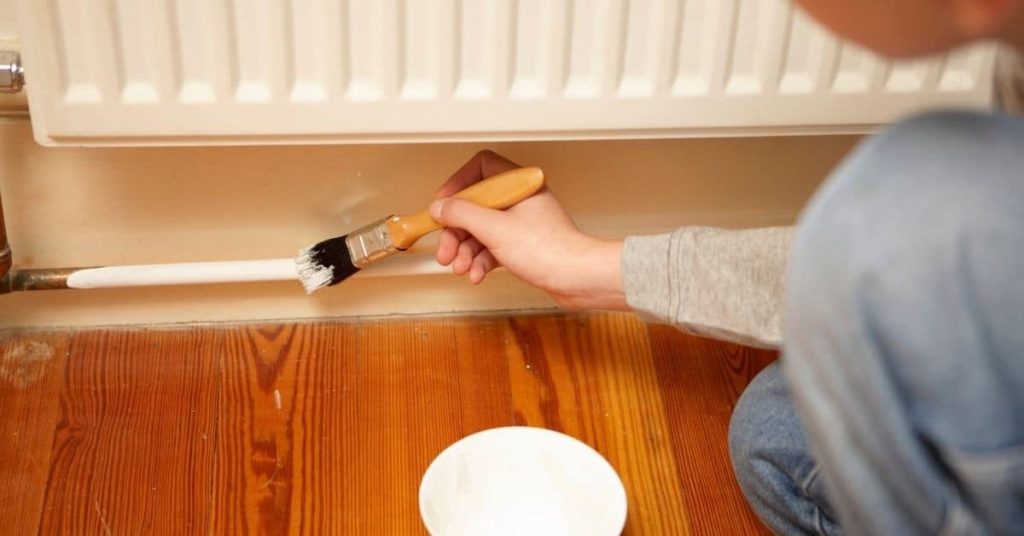
Person painting metal pipe below radiator with white paintbrush

Painting Stainless Steel: Etch Options, Primers, and What Won’t Stick

Introduction Painting stainless steel means making a slick, non-porous metal accept paint by roughening the surface or using the right primer and prep; it’s not impossible but it takes proper etching or a chemically compatible primer. In practical DIY terms you’ll need to clean, degrease, and choose between mechanical scuffing or a metal etch product,

Painting Stainless Steel: Etch Options, Primers, and What Won’t Stick Read More »

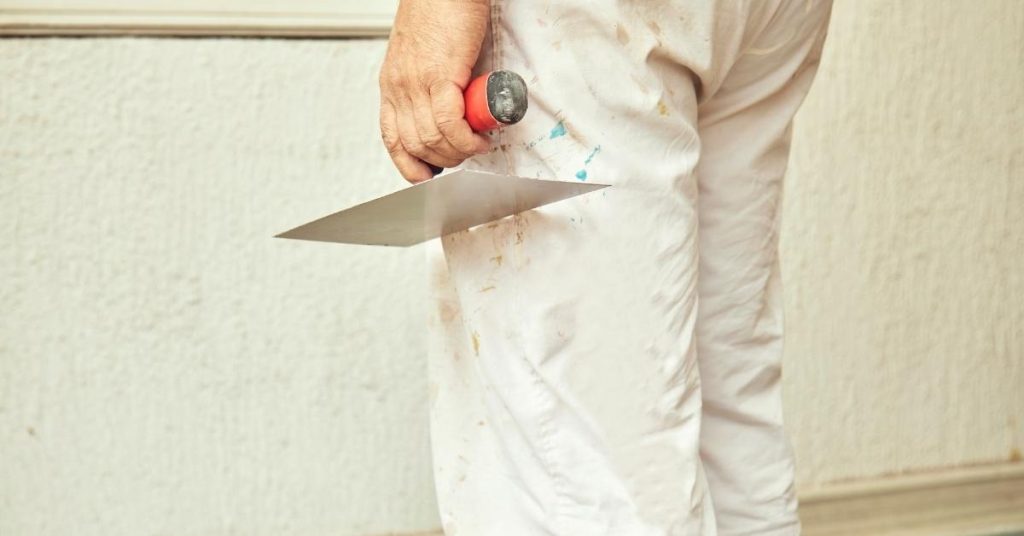
Person holding plastering trowel near hip

Venetian Plaster Burnishing: A Step-by-Step Timeline and Duration Guide

Introduction Burnishing Venetian plaster is a critical final step that requires precise timing. Knowing how long each stage takes ensures you achieve the desired sheen without damaging the finish. This guide walks you through the burnishing process, breaking down each step by time to help you plan your project effectively. For the full guide, see

Venetian Plaster Burnishing: A Step-by-Step Timeline and Duration Guide Read More »