Search Results for: plaster crack repair

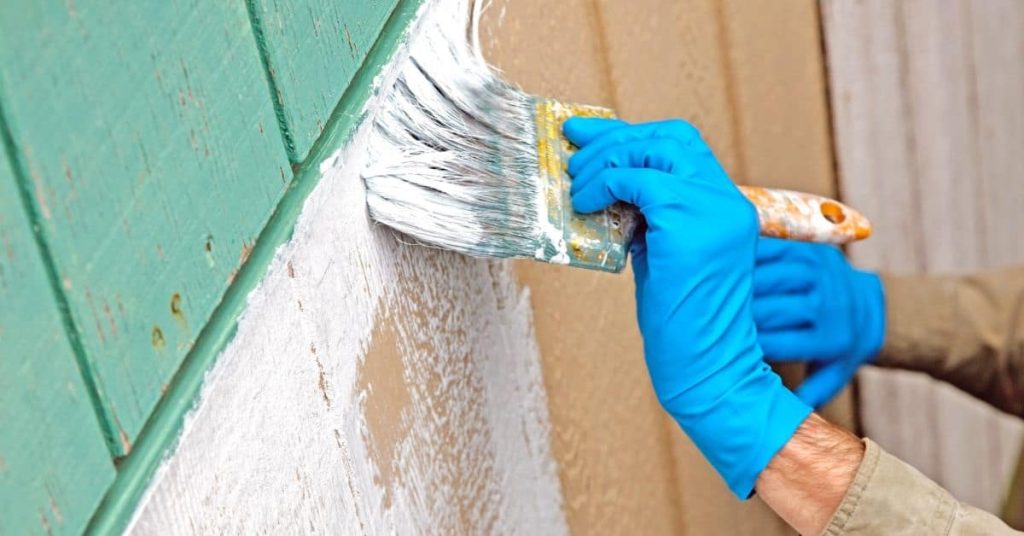
Person wearing blue gloves applying white primer with paintbrush

Primer vs Sealer vs Undercoat: What Each One Actually Does

Introduction Primer, sealer, and undercoat are coatings that prepare surfaces for paint by sealing, bonding, and smoothing. Primer helps the paint stick, sealer blocks stains and moisture, and undercoat provides a base layer that evens texture. Check product labels for the exact job they claim to do. Use them in sequence when you’re dealing with […]

Primer vs Sealer vs Undercoat: What Each One Actually Does Read More »

Unfolded aluminum ladder, paint bucket, and white painted room

Paint Sheen Selection by Room: Practical Rules That Prevent Regret

Introduction Paint sheen selection by room means picking the finish level for your walls based on how the space will be used. Key takeaways Choose sheen by room use to balance appearance, durability, and maintenance. Test samples on actual surfaces to judge light, texture, and mood. Consider prep, surface porosity, and recommended primers before applying

Paint Sheen Selection by Room: Practical Rules That Prevent Regret Read More »

Person sanding drywall with power sander

Paint Sheen Flashing on Drywall: Controlling Porosity Before Finish Coats

Introduction Paint sheen flashing on drywall is the uneven absorbency you see when the wall soaks in primer or finish at different rates. It’s caused by porosity differences in the surface that show up as uneven sheen after the first coat. To address it, look for high-porosity spots and use a compatible primer to even

Paint Sheen Flashing on Drywall: Controlling Porosity Before Finish Coats Read More »

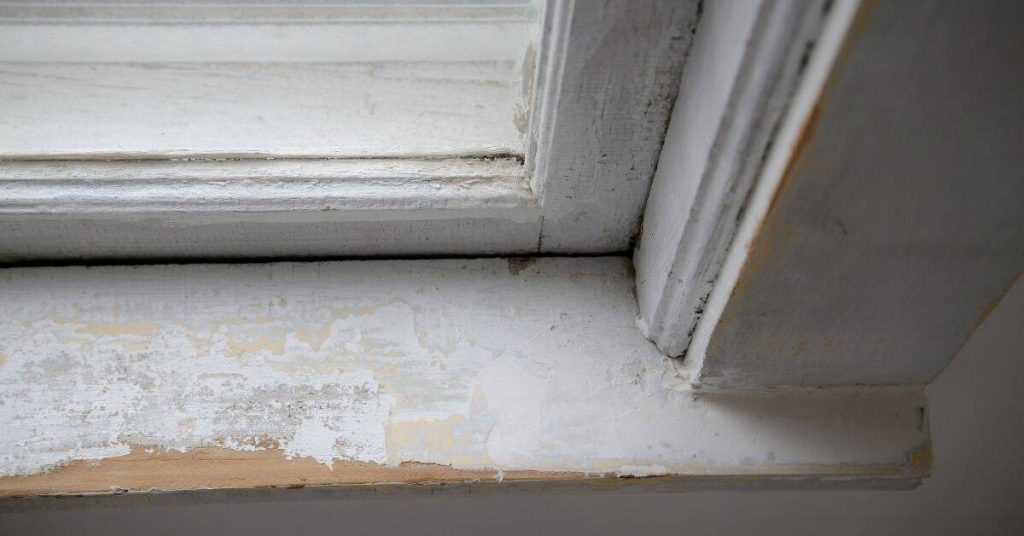
Close-up of peeling paint on white exterior wooden window trim

Paint Peeling on Exterior Trim: Moisture Checks and Prep That Works

Introduction Peeling exterior trim paint is the finish flaking off due to moisture invading the surface. Before you redo it, check for moisture and prepare the area so you can scrub and inspect properly. This article walks you through pressure washing, scraping, and priming in a hands-on way. Start by cleaning with pressure washing, then

Paint Peeling on Exterior Trim: Moisture Checks and Prep That Works Read More »

Hand using small roller to paint cabinet door white

14 Handy Painting Hints: Small Tweaks That Improve Big Projects

Introduction Painting hints are practical, small tweaks that make big painting projects easier and better. Keep expectations realistic and approach each step with a plan and clean work area. This article speaks in plain terms for DIY homeowners, with hands-on tips you can try this weekend. Focus on paint preparation techniques, selecting colors and finishes,

14 Handy Painting Hints: Small Tweaks That Improve Big Projects Read More »

Hand with glove painting metal structure red with roller

Home Painting Ideas: Finishes, Features, and Common Pitfalls

Introduction Home painting ideas describe finishes, features, and common pitfalls you’ll run into when updating walls. This guide stays practical and plain-spoken, helping a DIYer plan, prep, and paint without turning it into a headache. It focuses on finishes, features you can add, and the mistakes to avoid along the way. Prepare the surface first

Home Painting Ideas: Finishes, Features, and Common Pitfalls Read More »

Close-up of green paint roller applying paint on white wall

How to Paint Over Powdery Surfaces: Chalk, Calcimine, and Dusty Walls

Introduction Painting over powdery surfaces means preparing chalky, dusty walls so the new paint will stick. You’ll typically start by removing loose material, cleaning, and letting the surface dry before any primer. Roughness, dust, and old paint left on the wall can cause peeling, flashing, or poor coverage if you skip this step. If calcimine

How to Paint Over Powdery Surfaces: Chalk, Calcimine, and Dusty Walls Read More »