Search Results for: plaster crack repair

Person painting wood siding with white primer brush

Primer Compatibility Chart: Water-Based vs. Oil-Based vs. Shellac (What Can Go Over What)

Introduction Primer compatibility means choosing the right primer for the surface and topcoat so the finish adheres and lasts. Different primers are designed to bond to different surfaces and to seal, block stains, or prevent bleed-through. Always check the label for what the primer can be applied over and what the topcoat can be used […]
Primer Compatibility Chart: Water-Based vs. Oil-Based vs. Shellac (What Can Go Over What) Read More »

Person applying plaster on wall with trowel wearing orange gloves

Drywall Texture Matching: Orange Peel vs. Knockdown vs. Skip Trowel (DIY Spray vs. Hand)

Introduction Drywall texture matching is the process of reproducing a wall’s texture so new work blends with the old. It covers orange peel, knockdown, and skip trowel textures, whether you spray or hand‑apply. You’ll decide based on what you’re trying to reproduce and what tools you have on hand. Start by inspecting the existing surface

Drywall Texture Matching: Orange Peel vs. Knockdown vs. Skip Trowel (DIY Spray vs. Hand) Read More »

Vinyl corner bead strip with perforations beside orange safety mesh.

Corner Bead Choices: Metal vs. Vinyl vs. Paper-Faced (When Each One Wins)

Introduction Corner bead choices are metal, vinyl, or paper-faced trims used to form and protect drywall corners. Metal beads are sturdy, vinyl beads stay flexible, and paper-faced beads rely on drywall paper and mud to hold shape. This article keeps the talk practical for DIY installs. To pick one, consider where the corner will see

Corner Bead Choices: Metal vs. Vinyl vs. Paper-Faced (When Each One Wins) Read More »

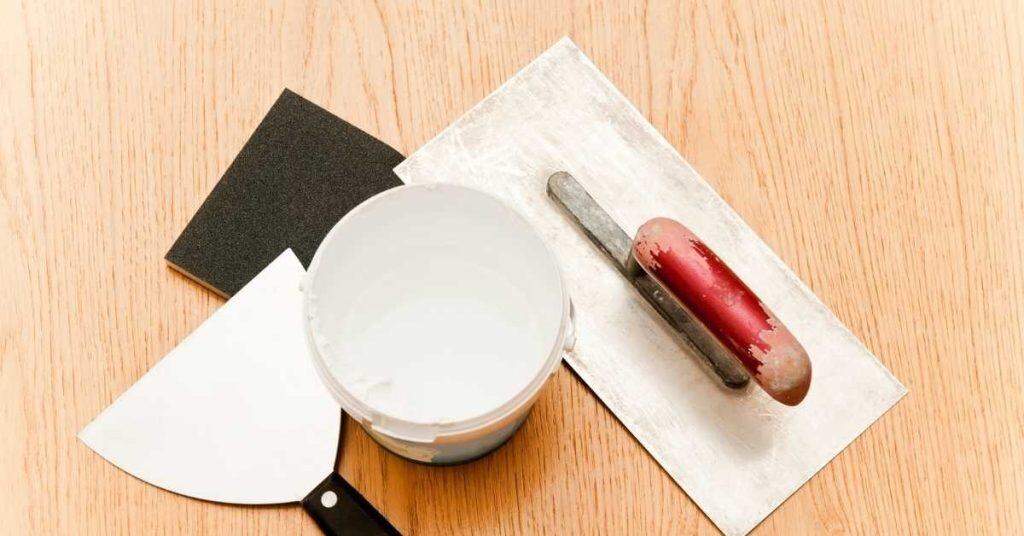
Plastering tools including float, putty knife, sanding sponge and bucket

DIY Level-5 Finish in Small Rooms: Skim Tools, Lighting Checks, and When to Stop

Introduction A DIY Level-5 finish is a near-perfect, impeccably smooth and flat wall or ceiling surface achieved with careful skim coats. This article walks you through skim tools, lighting checks, and the moment to stop before chasing perfection, in small rooms. Use the right skim blade or trowel, keep tools clean, and test with steady

DIY Level-5 Finish in Small Rooms: Skim Tools, Lighting Checks, and When to Stop Read More »

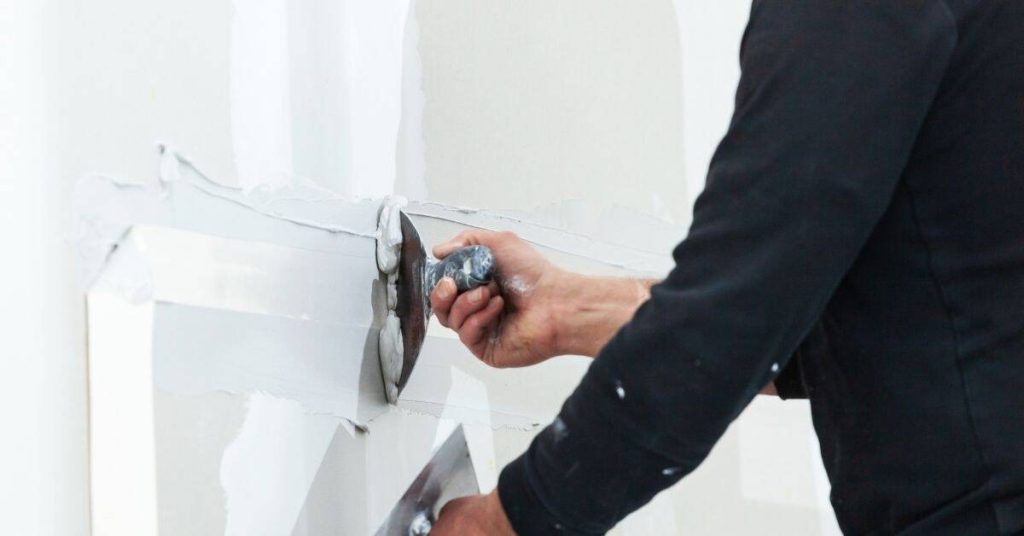
Person applying plaster to drywall seam with putty knife

Fixing ‘Picture Framing’ on Drywall: Why Edges Show Through and How to Reset the Surface

Introduction Picture framing on drywall is when the edge of a wall surface shows a frame-like line where joints or tape peek through. That happens after you paint or texture and the details of the tape or joint compound show along the edge. Fixing it means rebuilding a clean, smooth edge before you repaint. First,

Fixing ‘Picture Framing’ on Drywall: Why Edges Show Through and How to Reset the Surface Read More »

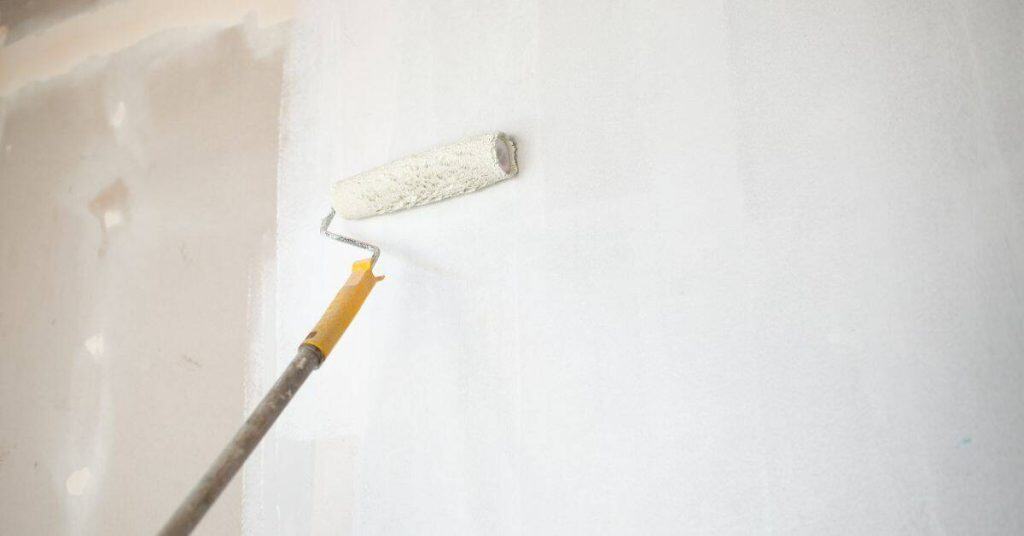
Paint roller applying white primer on drywall

Painting Over Nicotine-Stained Walls: The Primer Stack That Stops Yellow Bleed

Introduction A primer stack is a layered use of stain-blocking primers to stop nicotine bleed. Think of it as sealing the wall with the right primer before you paint. You’ll typically start with cleaning, choosing primers, and letting them dry per label. Then you build the finish with a topcoat that suits the surface after

Painting Over Nicotine-Stained Walls: The Primer Stack That Stops Yellow Bleed Read More »

Modern gas fireplace with marble surround and striped bench nearby

How to Paint After Small Fire/Smoke Damage: Soot Removal, Odor Sealing, and Recoat Timing

Introduction This guide explains how to repaint after small fire and smoke damage. First, assess visible soot and smoke residue and clean the affected surfaces well. Use the right cleaners, wipe without rubbing, and remove loose debris before sealing. Odor sealing is used to lock in smells before a new coat. Check the product label

How to Paint After Small Fire/Smoke Damage: Soot Removal, Odor Sealing, and Recoat Timing Read More »

Hand applying white silicone caulk around window frame

Painting Over Silicone Caulk: When It Works, When It Peels, and How to Prep

Introduction Painting over silicone caulk is not reliably paintable, and it often peels later. Silicone tends to resist most paints, so prep and choices matter. If the goal is a solid paint job, plan for alternative routes like replacing or masking. To prep, clean the joint and dry it thoroughly before any paint effort. Lightly

Painting Over Silicone Caulk: When It Works, When It Peels, and How to Prep Read More »

wood stairs with white trim and caulking gun on step

How to Paint Over Old Oil-Based Trim With Water-Based Paint (No Mystery Peeling)

Introduction Painting over oil-based trim with water-based paint is possible with the right prep. It means you’ll remove grime, scuff the surface, and use a compatible primer before applying the water-based finish. This article walks you through a practical, step-by-step approach you can do with basic tools. First, clean the trim and roughen the surface

How to Paint Over Old Oil-Based Trim With Water-Based Paint (No Mystery Peeling) Read More »