Search Results for: plaster crack repair

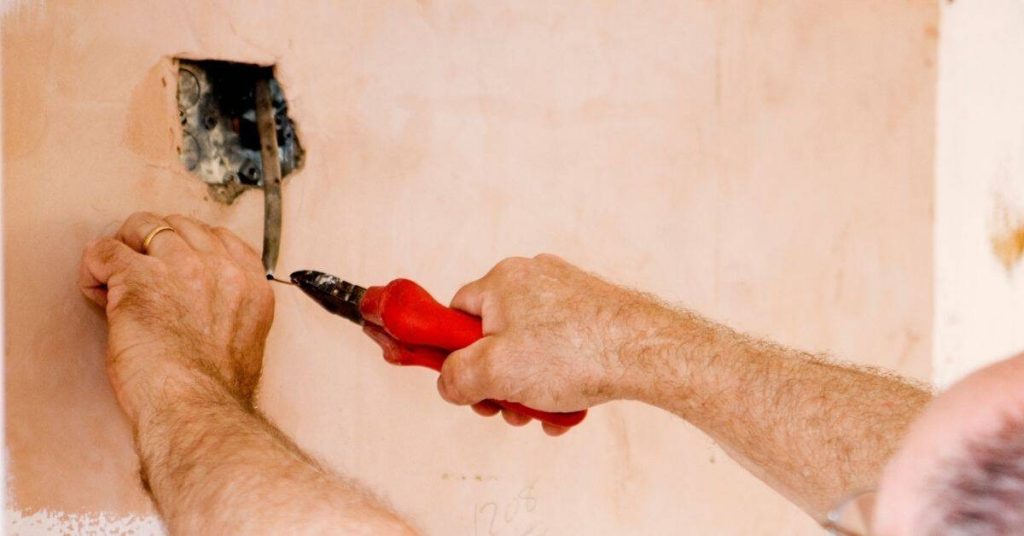
Hands using pliers to pull wire from electrical box in stucco wall

Stucco Around Electrical Meter Bases: Water Management Without Caulk Dams

Introduction Stucco around electrical meter bases is the careful detailing of stucco up to the meter box while managing water to prevent leaks. This approach keeps the enclosure dry and minimizes pathways for water intrusion. Follow manufacturer instructions and local rules to align with safe installation practices. Key methods include planning flashing and weep paths […]

Stucco Around Electrical Meter Bases: Water Management Without Caulk Dams Read More »

Smooth light gray concrete wall surface

Surface-Bonding Cement on Dry-Stack Concrete Block: When It’s Allowed and How to Reinforce

Introduction Surface-bonding cement on dry-stack concrete block is a thin adhesive layer applied to the face of stacked blocks to improve bond and stability when allowed. It’s a practical option you can use to reinforce and tidy up a wall that’s already in place. Check your local rules and manufacturer instructions to know if this

Surface-Bonding Cement on Dry-Stack Concrete Block: When It’s Allowed and How to Reinforce Read More »

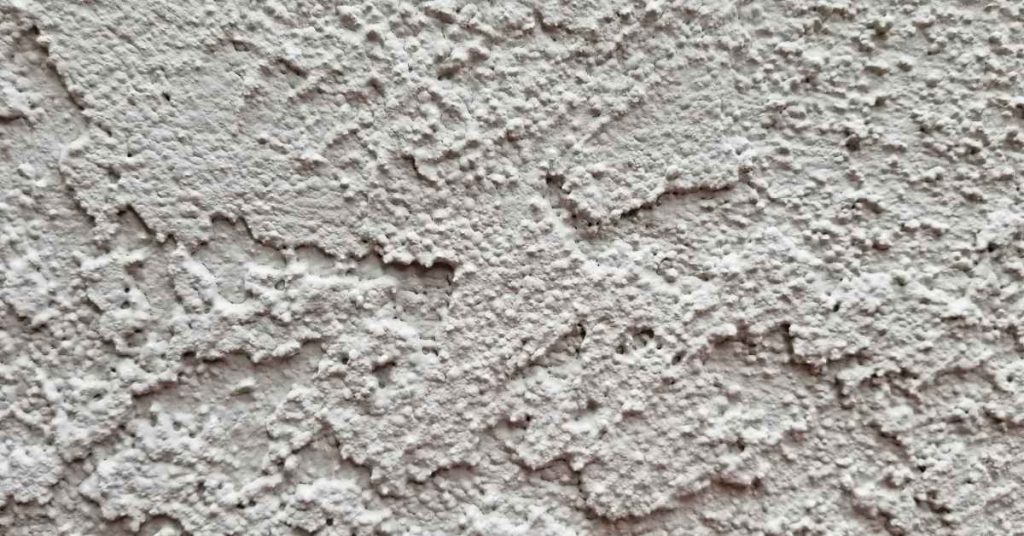
Close-up of white stucco wall texture

Mounting Heavy Items on Stucco: Spacers, Blocking, and Not Crushing the Finish

Introduction Mounting heavy items on stucco means creating solid backing behind the finish and using spacers to keep the surface intact while fasteners carry the load. Choose an anchor type appropriate for stucco and plan spacers and backing to avoid crushing the finish. Follow installation steps for the chosen anchor, check for proper spacing and

Mounting Heavy Items on Stucco: Spacers, Blocking, and Not Crushing the Finish Read More »

Open can of white paint with color swatch cards on colored paper

Breathable Paint for Stucco vs Elastomeric: When “Waterproof” Becomes a Problem

Introduction Breathable paint is a coating that lets moisture escape from the wall while still blocking water on the surface. When used on stucco, it helps the wall “breathe” so moisture isn’t trapped inside the coating or substrate. For DIY work, read the label and follow the manufacturer instructions to ensure proper surface prep and

Breathable Paint for Stucco vs Elastomeric: When “Waterproof” Becomes a Problem Read More »

Pile of broken red bricks and rubble

Spalling Brick Diagnosis: Freeze-Thaw, Salts, and the “Stop the Water” Plan

Introduction Spalling brick diagnosis is identifying why bricks are flaking or crumbling due to freeze-thaw, salts, or moisture. This is a hands-on check to help you decide what needs repair and how to stop further damage. Look for cracking, hollow sounds, powdery surfaces, or powdery efflorescence as clues. Start by stopping water entry and planning

Spalling Brick Diagnosis: Freeze-Thaw, Salts, and the “Stop the Water” Plan Read More »

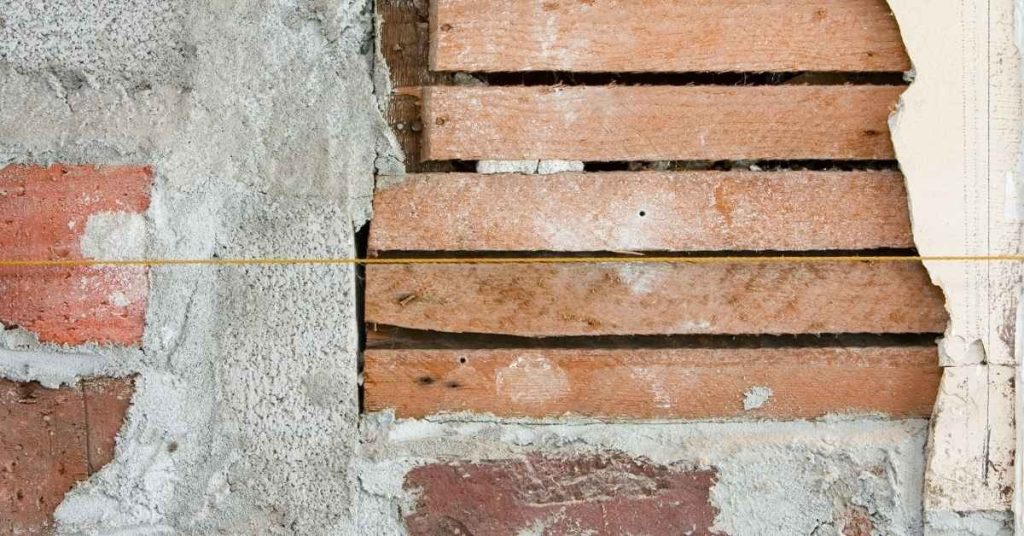
Exposed wooden lath under cracked plaster wall section

Rusting Stucco Lath in a Patch: Safe Cutback Limits and Better Refastening

Introduction Rusting stucco lath in a patch means the metal lath under the plaster has corroded and loosened, reducing support for the patch. That corrosion can cause the patch to crack or fall away if not addressed. Start by pulling back loose plaster and securing any loose lath pieces, then replace or tie back missing

Rusting Stucco Lath in a Patch: Safe Cutback Limits and Better Refastening Read More »

Worker applying fresh stucco with trowel to wall surface

Soft Stucco Diagnosis: Probe Tests to Separate Erosion from Lath Failure

Introduction Soft stucco indicates exterior plaster that feels soft or hollow, signaling potential erosion or lath failure. You’ll see blistering, crumbling edges, or patches where the wall sounds hollow when tapped. This intro helps you spot trouble before you rip into major repairs. Probe tests involve gently tapping or lifting at suspect spots to feel

Soft Stucco Diagnosis: Probe Tests to Separate Erosion from Lath Failure Read More »

Exterior building wall with scaffolding and stucco application in progress

Stucco Lath Fasteners That Last: Corrosion, Length, and Avoiding Loose Walls

Introduction Stucco lath fasteners are the hardware that attach exterior stucco lath to the framing and keep the wall solid. They come in several styles for different substrates, so you should pick ones that fit your lath and backing material. Check the label or manufacturer guidance to ensure corrosion resistance and proper compatibility with your

Stucco Lath Fasteners That Last: Corrosion, Length, and Avoiding Loose Walls Read More »

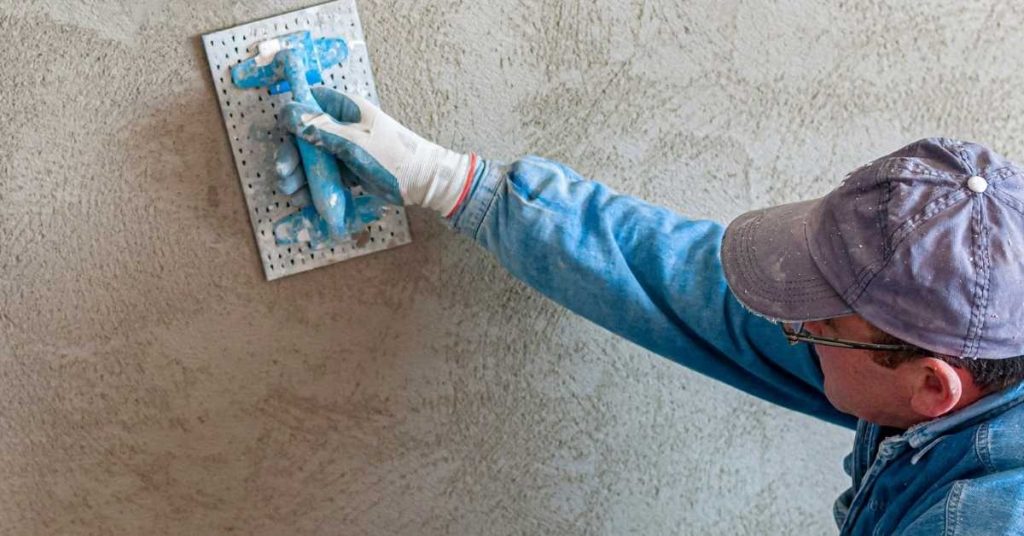
Worker applying stucco texture with a blue float tool

Sand Float Stucco Texture Matching: Tool Angles, Timing, and Avoiding Shine

Introduction A sand float stucco texture is a lightly rough, matte finish achieved by floating mortar with a sanded tool to create texture. This article covers practical techniques and the feel of the finish when you’re applying it on a DIY project. It stays away from glossy shine and aims for a consistent, hand‑worked look.

Sand Float Stucco Texture Matching: Tool Angles, Timing, and Avoiding Shine Read More »