Search Results for: plaster crack repair

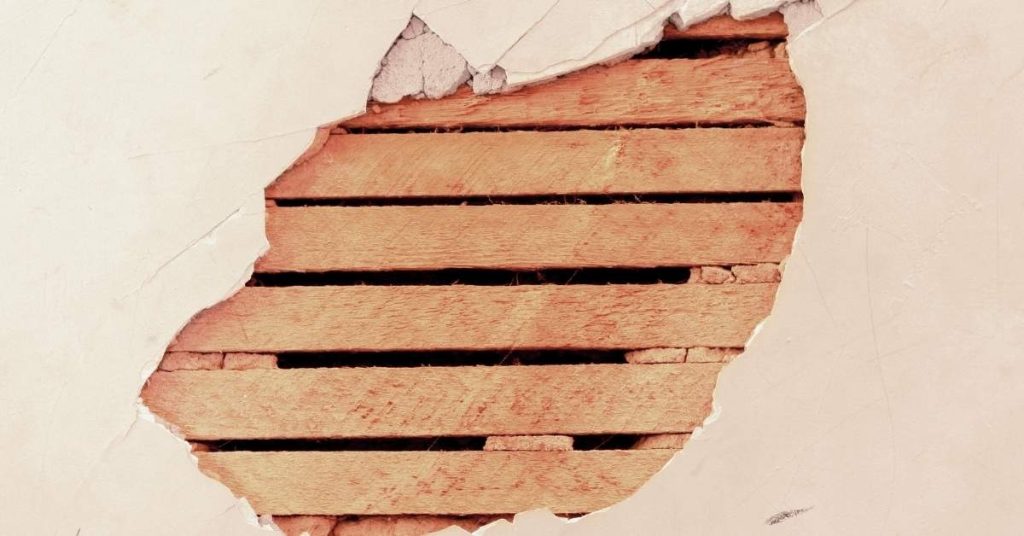
Wooden lath exposed through broken plaster wall

Plaster Key Failure on Wood Lath: Diagnosing, Re-Keying, and When to Add Mesh

Introduction Plaster key failure on wood lath happens when the plaster pulls away from or loses grip on the lath, leaving loose or hollow areas that will crack or fall out. This write-up shows practical ways to diagnose where keys failed, how to re-key small patches, and when adding mesh or repairing lath is the […]

Plaster Key Failure on Wood Lath: Diagnosing, Re-Keying, and When to Add Mesh Read More »

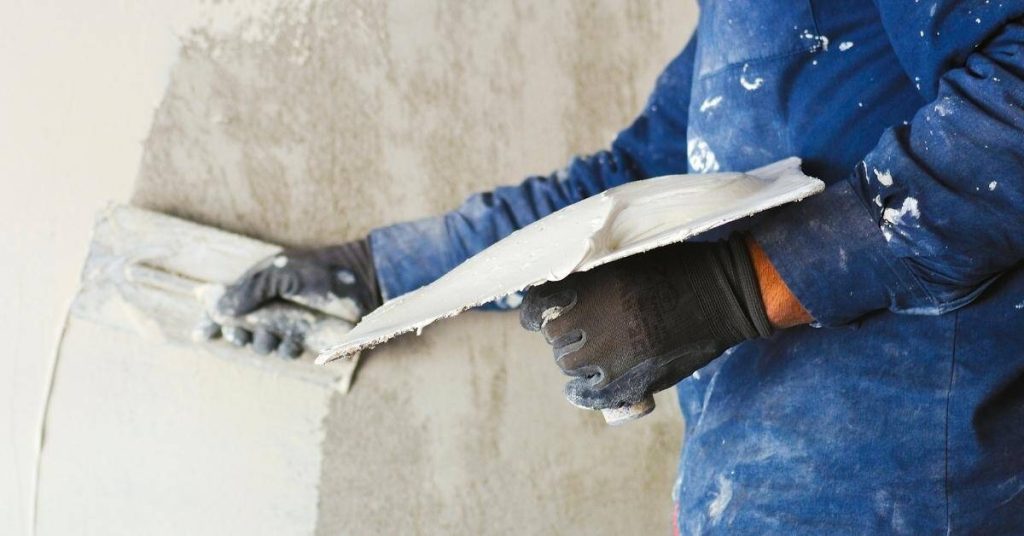
Worker smoothing plaster on wall with trowel

Gauging Plaster for Lime Work: Ratios, Set Control, and When to Skip It

Introduction Gauging plaster for lime work means mixing lime, sand, and any additives in the right proportions to control strength and set time so the plaster behaves predictably. Think of it like tuning a recipe: adjust the lime-to-sand ratio and set retarders or accelerators to match your wall, weather, and skill level; check product labels

Gauging Plaster for Lime Work: Ratios, Set Control, and When to Skip It Read More »

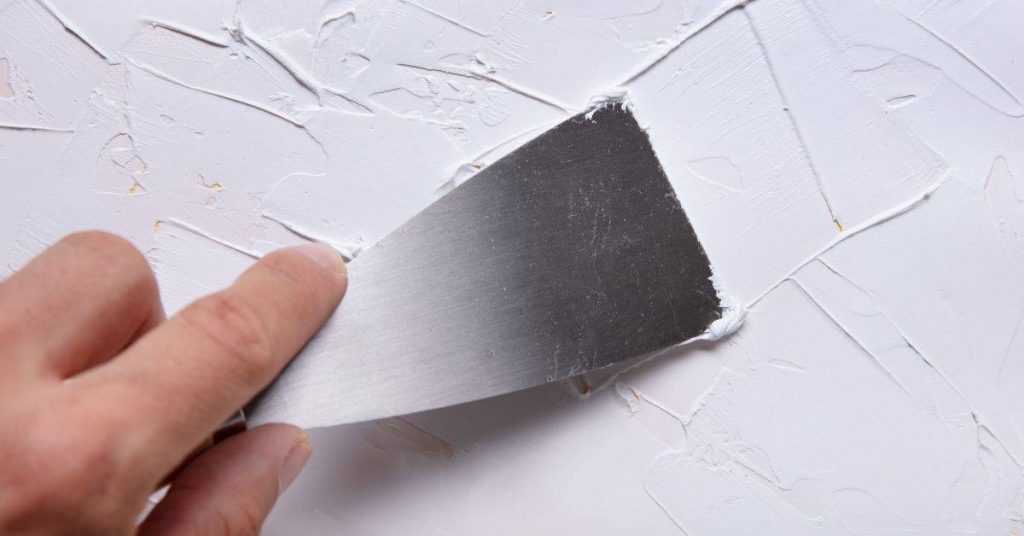
Hand applying white plaster with putty knife

How to Choose Lime Putty vs Hydrated Lime for Plaster: Workability and Strength Differences

Introduction Lime putty is hydrated lime that has been slaked and aged into a smooth, creamy paste, while hydrated lime (powder) is the dry product you mix on site; putty gives a softer, more workable mortar and powder is quicker to store and use. For a DIY plaster job, choose putty when you want long

How to Choose Lime Putty vs Hydrated Lime for Plaster: Workability and Strength Differences Read More »

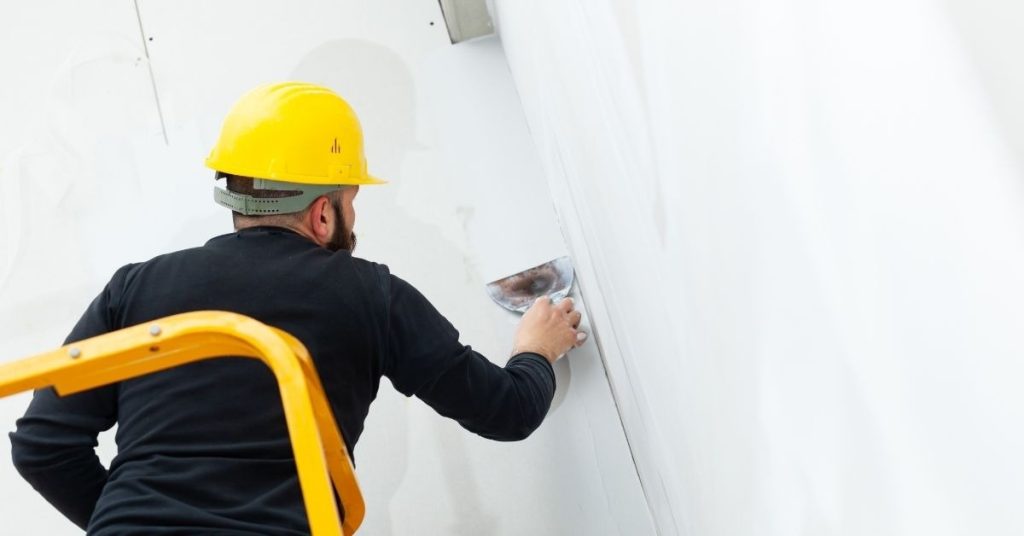
Worker wearing yellow helmet applying plaster to wall

Lime Plaster Base Coats: Sand Selection, Hair Reinforcement, and Shrink Control

Introduction Lime plaster base coats are the first thick layer of lime-rich render that provides a key substrate for finish coats and helps control moisture and movement. For DIY work that means picking clean, well-graded sand suited to lime, keeping hair or fiber reinforcement evenly distributed to bridge shrinkage, and using mixing proportions recommended by

Lime Plaster Base Coats: Sand Selection, Hair Reinforcement, and Shrink Control Read More »

Close-up of textured white gypsum plaster surface

Plaster Drying vs Curing: Why Waiting Longer Can Prevent Paint Failure

Introduction Plaster drying is the loss of surface moisture while curing is the chemical hardening process that gives plaster strength; both happen but on different timelines. In plain jobsite terms, the surface can look dry long before the gypsum or cement bond fully sets, so painting too soon risks adhesion problems. Check product labels and

Plaster Drying vs Curing: Why Waiting Longer Can Prevent Paint Failure Read More »

Hand smoothing plaster on wall with trowel

Polished Lime Plaster in Wet Areas: What ‘Waterproof’ Really Means and Safe Details

Introduction Polished lime plaster in wet areas is not automatically waterproof; it’s a breathable finish that can resist splashes when detailed and sealed correctly. In practice that means treating the wall system—substrate, cement backer, membranes, and sealers—as a complete assembly rather than relying on the lime plaster alone. Check product labels and manufacturer instructions for

Polished Lime Plaster in Wet Areas: What ‘Waterproof’ Really Means and Safe Details Read More »

Gloves paintbrushes putty knives and level covered in plaster dust

Plaster Repair on Curved Walls: Flexible Tools and How to Keep Profiles Smooth

Introduction Plaster repair on curved walls means using flexible tools and techniques so the repair follows the wall’s arc without creating bumps or hollows. In practice that means choosing a flexible float or trowel, feathering edges, and working in thin passes until the profile blends with the surrounding surface. Keep expectations realistic and check product

Plaster Repair on Curved Walls: Flexible Tools and How to Keep Profiles Smooth Read More »

Person applying plaster to wall with trowel and hawk

Plaster Baseboard Dings and Gouges: Fast Patch Options That Don’t Shrink Back

Introduction Plaster baseboard dings and gouges are shallow to moderate damages along the plaster or drywall near the floor that you can tack quickly without later sinking or cracking. In plain terms: pick a stable, shrink-resistant patch material, prepare the area, and feather it to the surrounding surface so the repair bonds and stays flat.

Plaster Baseboard Dings and Gouges: Fast Patch Options That Don’t Shrink Back Read More »

Plaster wall niche with decorative dolphin and small pottery

How to Create a Plaster Shadow-Reveal Niche: Beads, Corners, and Crack Control

Introduction A plaster shadow-reveal niche is a recessed wall pocket finished with thin plaster edges that create a crisp, shadowed outline for shelves or display. It’s built by framing the cavity, setting straight beads and corner profiles, and planning for crack control where the plaster meets different materials. This is a hands-on job that rewards

How to Create a Plaster Shadow-Reveal Niche: Beads, Corners, and Crack Control Read More »

metal window grille on textured plaster wall

Fixing Rust Bleed Through Plaster: Metal Isolation and Stain-Blocking Strategy

Introduction Fixing rust bleed through plaster means stopping iron staining at the metal source and isolating it so stains don’t reappear through new finishes. In practice that means exposing the area, treating or replacing corroded metal, and using an appropriate isolation/stain-blocking primer before replastering or painting. Check product labels and manufacturer instructions for compatibility with

Fixing Rust Bleed Through Plaster: Metal Isolation and Stain-Blocking Strategy Read More »