Search Results for: plaster crack repair

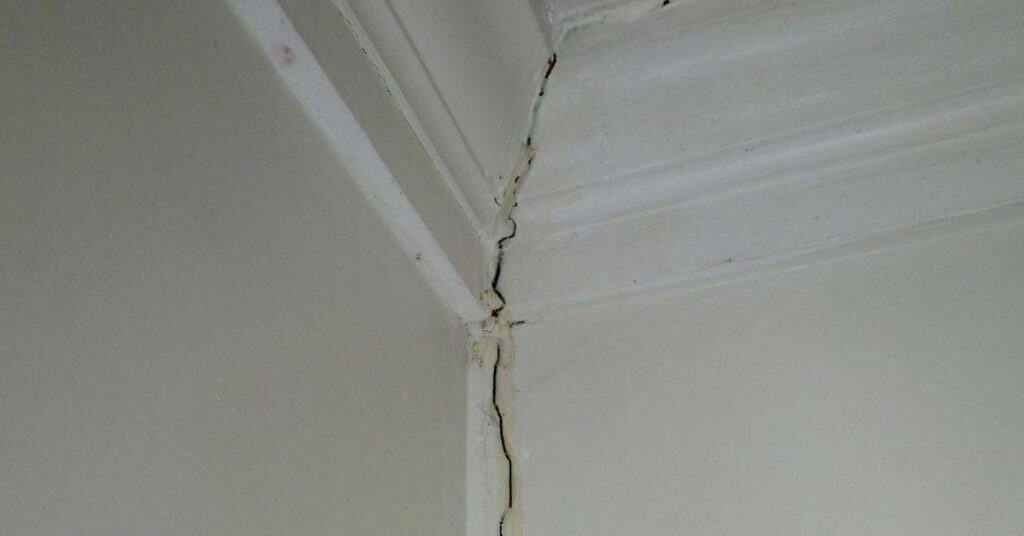
Plaster Around Radiators and Pipes: Heat Movement Details That Crack Repairs

Plaster Around Radiators and Pipes: Heat Movement Details That Crack Repairs

Introduction Heat movement around radiators and pipes poses a significant risk to plasterwork. Cracks can form over time as these elements expand when hot water runs through them, pushing against the surrounding plaster. This guide walks you through practical steps and expert tips for detailing your plaster to accommodate heat expansion and prevent future damage. […]

Plaster Around Radiators and Pipes: Heat Movement Details That Crack Repairs Read More »
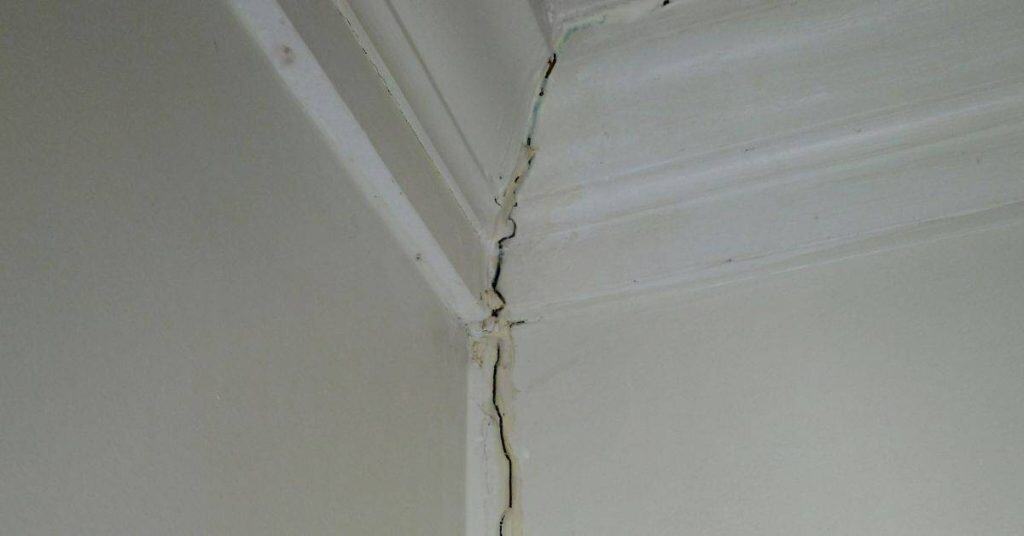
Repairing Plaster at Wall-to-Ceiling Corners: Controlling Re-Cracks at the Joint

Repairing Plaster at Wall-to-Ceiling Corners: Controlling Re-Cracks at the Joint

Introduction Repairing plaster at wall-to-ceiling corners helps stop re-cracking at the joint. The guide explains common causes of corner cracks and why proper technique matters for a durable finish. You’ll learn practical steps, tips for prep and finish, and rules of thumb to keep corners stable over time. Key takeaways Inspect crack width and moisture

Repairing Plaster at Wall-to-Ceiling Corners: Controlling Re-Cracks at the Joint Read More »

Power drill mixing concrete in a black bucket

Choosing a mixing drill for concrete, mortar, and plaster mixes: torque, speed, and why ‘bigger is better’ can burn motors

Introduction A mixing drill is a powered tool chosen for blending concrete, mortar, and plaster. It should deliver steady torque and control at the right speed to avoid overworking the motor. Using a too-large drill or running at excessive speed can burn the motor and degrade the mix. Proper mixing helps achieve uniform texture and

Choosing a mixing drill for concrete, mortar, and plaster mixes: torque, speed, and why ‘bigger is better’ can burn motors Read More »

Person smoothing wet concrete sidewalk using long-handled tool

Lighting for concrete and plaster finish work: raking light tricks that reveal waves before it’s too late

Introduction Raking light uses side-on illumination to highlight surface irregularities in concrete and plaster. This technique helps you spot waves and tool marks early, so you can address them before finishing. Set up an adjustable light at a low angle and sweep it across the area to reveal texture. Use a portable light with a

Lighting for concrete and plaster finish work: raking light tricks that reveal waves before it’s too late Read More »

Man wearing a tool belt and carrying tool bag and case

Tool belt setup for trowel work on plaster and stucco: carrying hawk, trowel, and jointers without dropping everything

Introduction A proper tool belt setup keeps your hawk, trowel, and jointers secure and hands free for plaster and stucco work. Choose a belt with pockets and holsters that place the heaviest items close to your center of gravity. Position the hawk handle, trowel blade, and jointer handles in dedicated spots to reduce crossing and

Tool belt setup for trowel work on plaster and stucco: carrying hawk, trowel, and jointers without dropping everything Read More »

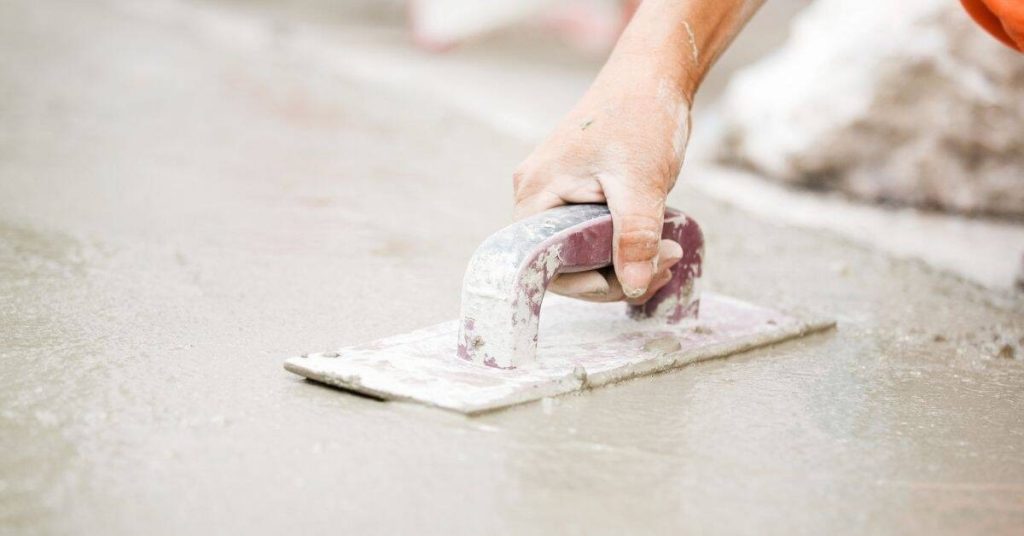
hand holding hand trowel smoothing wet concrete surface

Hand trowel sizing for concrete and plaster work: what beginners should buy first and what to skip

Introduction Hand trowel sizing means choosing the blade width and handle style to match the task, material, and user comfort, so beginners know what to buy first and what to skip. Start with a basic mid-size trowel suitable for both concrete and plaster, and avoid buying rare or specialty shapes until you’ve used a standard

Hand trowel sizing for concrete and plaster work: what beginners should buy first and what to skip Read More »

Person holding green electric drill against white brick wall

Repairing chipped brick corners: patch materials that blend (and those that don’t)

Introduction Repairing chipped brick corners means restoring the edge with patch materials that match the surrounding masonry. This guide focuses on practical choices and steps you can take to blend or distinguish patches as needed. Material options range from blends that closely match color and texture to those that are meant to be obvious. Prepare

Repairing chipped brick corners: patch materials that blend (and those that don’t) Read More »

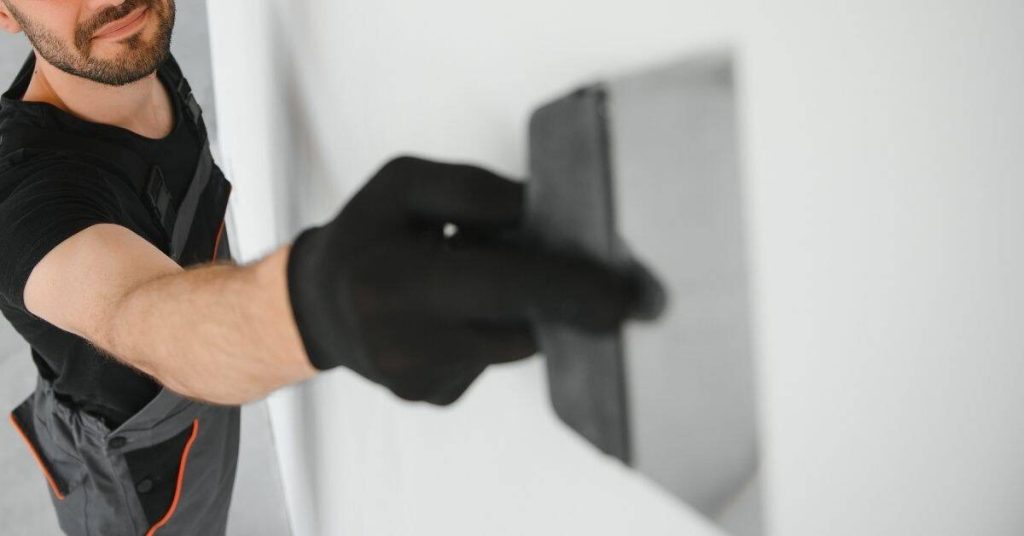
Plaster worker smoothing wall with trowel wearing black glove

Common rookie plaster mistakes: overwatering, overworking, and chasing perfection too soon

Introduction Rookie plaster mistakes are doing too much water, overworking the mix, and chasing a perfect finish before it’s ready. These habits can cause cracks, shrinkage, and a surface that won’t hold paint. Take a steady, practical approach: mix only what you need, apply in damp coats, and let each layer set. During a shifting

Common rookie plaster mistakes: overwatering, overworking, and chasing perfection too soon Read More »

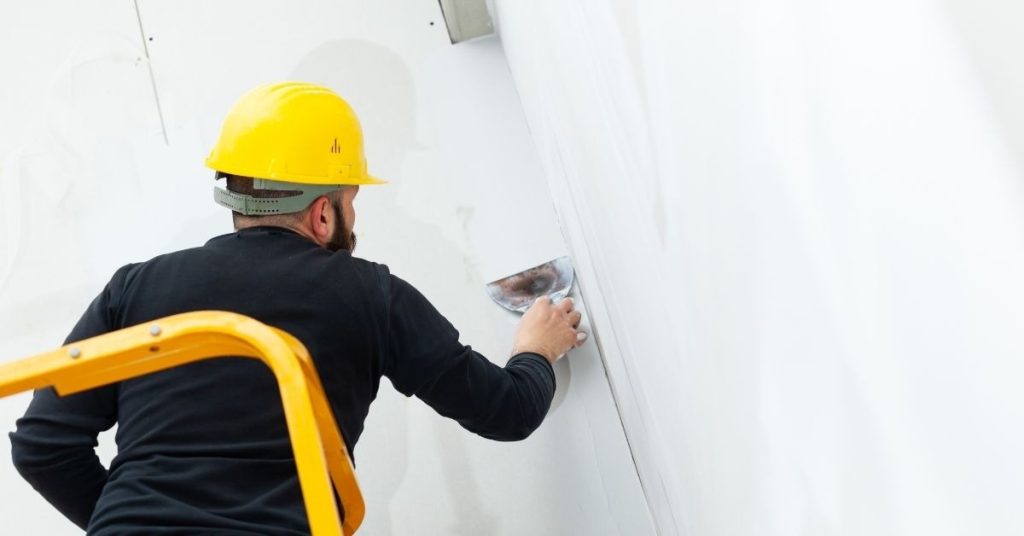
Worker in yellow helmet applying plaster on white wall

Blending sheen on polished plaster finishes: spot repair vs full-wall rework

Introduction Spot repair and full-wall rework are two approaches to restore or adjust sheen on polished plaster finishes. This article compares when to use each method and what you should expect in terms of result and effort. It keeps the focus practical, with plain-language guidance you can follow on a real job. Polished plaster has

Blending sheen on polished plaster finishes: spot repair vs full-wall rework Read More »

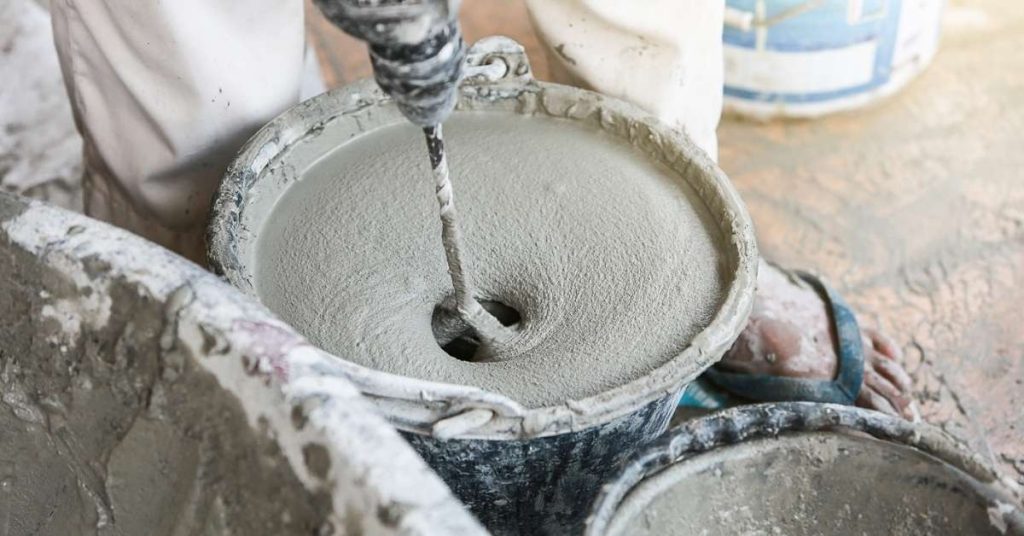
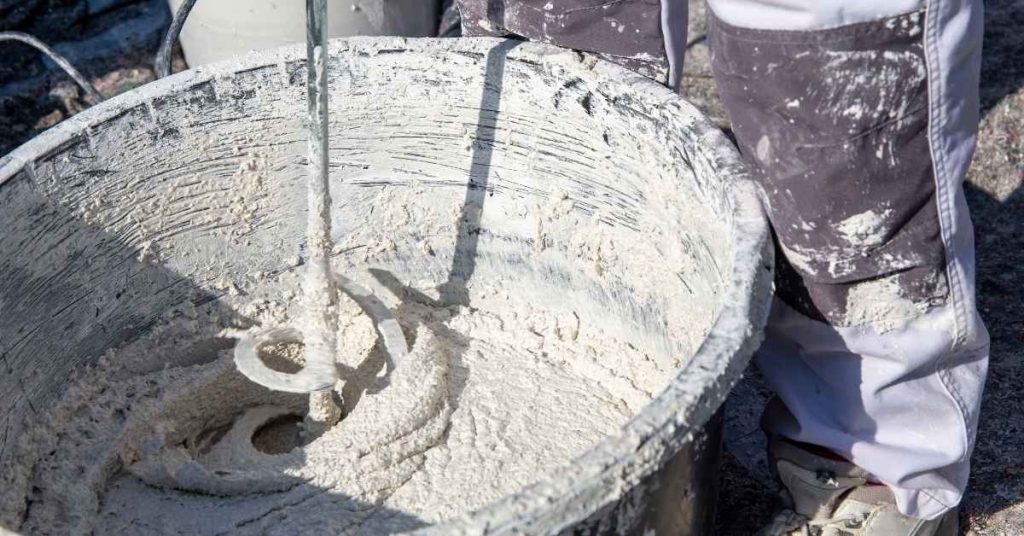
Close-up of plaster being mixed in a large bucket with a drill mixer

Mixing small plaster batches: setting time control without weakening the finish

Introduction Setting time control for small plaster batches means managing how fast plaster hardens without compromising surface quality. Keep an eye on temperature and humidity, since they influence cure speed and finish. Use small, workable batches and follow the manufacturer’s guidance for mixing and setting, then adjust for environmental conditions in your space. If you

Mixing small plaster batches: setting time control without weakening the finish Read More »