Search Results for: pavers concrete

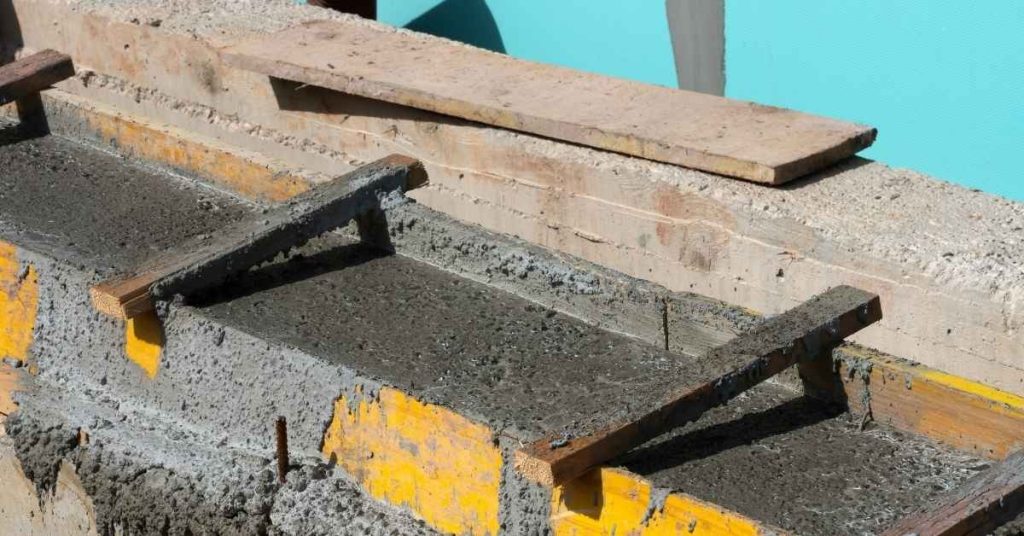
fresh concrete partially poured on rough surface

Using Burlap for Wet Curing: How to Keep It Wet Without Staining the Surface

Introduction Burlap can be used to keep concrete moist during curing without staining the surface when applied correctly. This method relies on evenly saturated burlap laid over the fresh pour and kept moist. Check the burlap material and manufacturer guidance for suitability and any surface protection needs. Choose burlap that is plain and untreated, and […]

Using Burlap for Wet Curing: How to Keep It Wet Without Staining the Surface Read More »

White concrete mixer truck at a construction site

Cold-Weather Mixing Station Setup: Keeping Water, Bags, and Tools Above Freezing

Introduction Cold-Weather Mixing Station Setup means keeping water, bags, and tools above freezing. In practice, you’ll set up a small, sheltered area and plan for material handling so everything stays usable in cold weather. Frost resistance of bags, containers, and tools is worth confirming before you set up the station. Check the product labels or

Cold-Weather Mixing Station Setup: Keeping Water, Bags, and Tools Above Freezing Read More »

Freshly poured concrete in wooden formwork outdoors

Dealing With Surprise Rain Mid-Pour: What to Cover, What to Keep Working, and What to Redo

Introduction Rain mid-pour can ruin fresh concrete; cover, protect, and resume safely. Protect exposed areas with appropriate coverings, don’t work on wet concrete, and check forms for any change. After rain, inspect for surface defects, damp spots, or set delays before continuing. Resume pouring only when conditions are right and you follow the coating and

Dealing With Surprise Rain Mid-Pour: What to Cover, What to Keep Working, and What to Redo Read More »

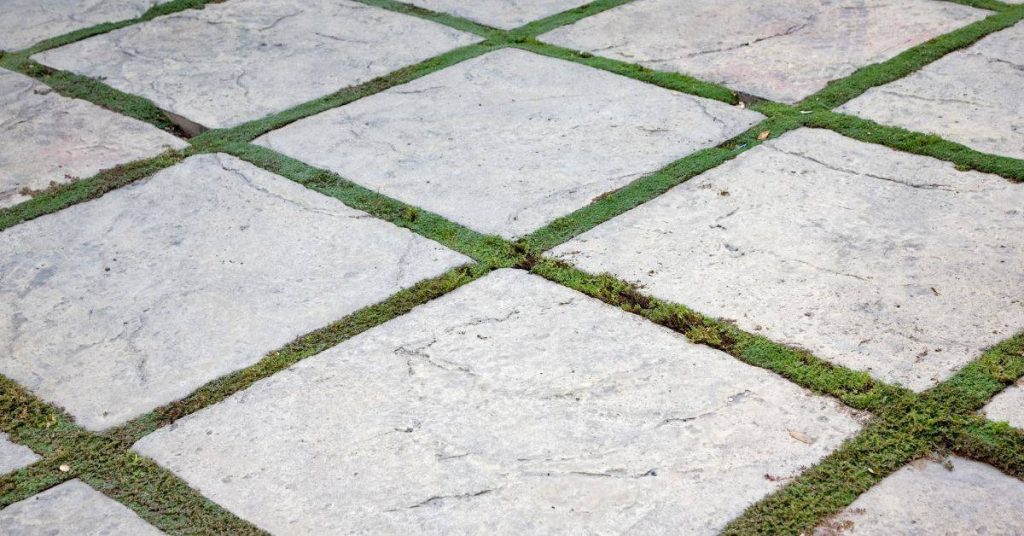
Square stone pavers with green moss in the joints

Sandblasted Finishes: Uniformity Tricks and How to Avoid Shadowing Around Joints

Introduction Sandblasted finishes are a textured surface created by blasting marble with abrasive media to reveal the stone’s grain. The result is a matte, slip-resistant look that hides tiny flaws and can add character to a space. As a DIY project, it’s important to understand that consistency comes from planning, the right media, and steady

Sandblasted Finishes: Uniformity Tricks and How to Avoid Shadowing Around Joints Read More »

close up of red brick wall mortar joints

Sealing Control Joints for Radon: Where to Seal, What Lasts, and When Not To

Introduction Sealing control joints is a practical step to reduce radon entry by closing gaps in masonry where joints exist. Before you seal, clean and dry the joint, choose a sealer compatible with masonry, and follow the product’s instructions for temperature, cure time, and re-entry. If in doubt, check local rules and consult the product

Sealing Control Joints for Radon: Where to Seal, What Lasts, and When Not To Read More »

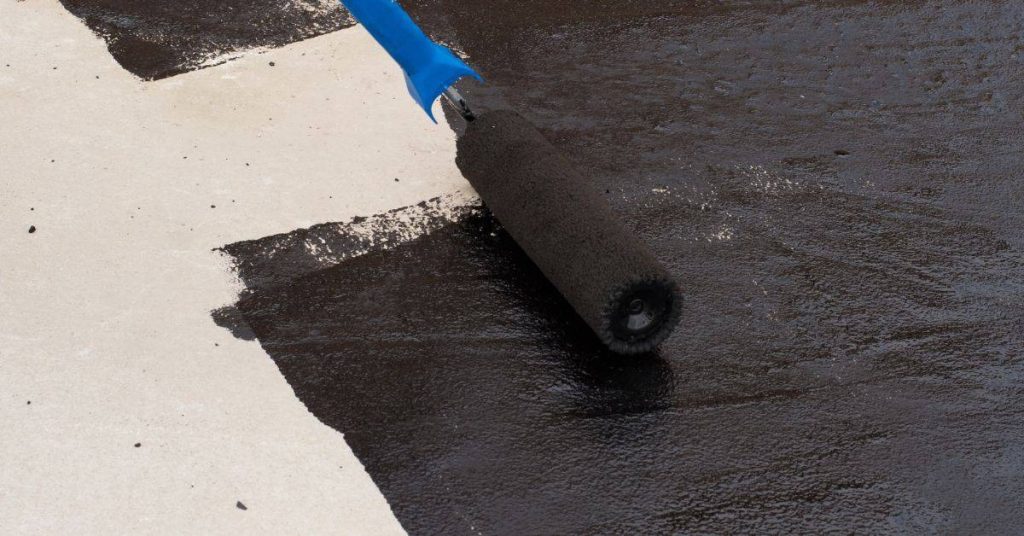
Paint roller applying black sealer on concrete surface

How to Choose a Penetrating Sealer for De-Icing Salt: Silicate vs Silane vs Fluoropolymer

Introduction A penetrating sealer for de-icing salt is a treatment that soaks into concrete to form a protective barrier against salt damage. Common options include silicate, silane, and fluoropolymer blends, each with its own pros and cons. When picking, read the product label and follow manufacturer instructions, and check local rules for your project. Silicate,

How to Choose a Penetrating Sealer for De-Icing Salt: Silicate vs Silane vs Fluoropolymer Read More »

Red brick house exterior with two garage doors and chimney

Drainage for Exterior Stairs and Landings: Small Grading Tweaks That Prevent Icy Sheets

Introduction Drainage for exterior stairs and landings means shaping and directing water away so the surfaces stay safe and dry. Keep a clear slope away from the door and across each tread, and use simple edging or a shallow path to guide water toward a drain or into the surrounding ground. Check your local rules

Drainage for Exterior Stairs and Landings: Small Grading Tweaks That Prevent Icy Sheets Read More »

Close up of concrete floor grinding machine in use

Fixing Trip Hazards on Sidewalks: Grinding Limits, Overlay Risks, and Code-Ish Thresholds

Introduction Trip hazards on sidewalks are uneven or crowned surfaces that can snag a foot and cause a fall. For a DIY approach, start by evaluating where and how the surface is out of plane and plan gentle corrections rather than drastic reshaping. Keep changes modest, clearly mark the area, and work in daylight to

Fixing Trip Hazards on Sidewalks: Grinding Limits, Overlay Risks, and Code-Ish Thresholds Read More »

Front exterior of a brick house with windows and green shrubs

Salt Scaling Risk Test for Exterior Slabs: Simple Field Clues Before Winter Hits

Introduction Salt scaling risk on exterior slabs is the tendency for surface flaking and crumbling when moisture is drawn into the top layer and then freezes. This simple field check helps you spot potential damage before winter hits. If you see rough patches or powdery material forming, that can signal trouble. Signs to watch in

Salt Scaling Risk Test for Exterior Slabs: Simple Field Clues Before Winter Hits Read More »

Close-up of asphalt shingle with visible impact damage

Stucco Damage Behind Downspouts: Repairs and water control improvements

Introduction Stucco damage behind downspouts is hidden water intrusion that weakens the wall where the downspout sits. Water running off the gutter can seep behind the stucco and cause cracking, bulging, or soft spots. This article shows practical steps you can do to inspect and start repairs without specialized equipment. Start by cleaning the area

Stucco Damage Behind Downspouts: Repairs and water control improvements Read More »