Search Results for: old style mortar using sharp sand

Casing Bead Vs J-Bead Vs L-Bead: Where Each Belongs Around Openings

Casing Bead Vs J-Bead Vs L-Bead: Where Each Belongs Around Openings

Introduction Casing bead, J-bead, and L-bead each serve different roles around openings, so choosing the right one improves fit, protection, and finish. This guide explains when to use each bead type and walks through practical tips, common installation scenarios, and rules of thumb you can apply on real projects. You’ll learn how to assess reveals, […]

Casing Bead Vs J-Bead Vs L-Bead: Where Each Belongs Around Openings Read More »

Outside Corners: When Corner Bead Fails and How to Rebuild the Corner Straight

Introduction Outside corners should be rebuilt straight when the corner bead fails. The article explains the practical steps to assess damage, remove the damaged bead, reestablish a true corner, and reapply mud and new bead so you end up with a clean, durable edge. Key takeaways Inspect for hairline cracks and rust, replace damaged corner

Outside Corners: When Corner Bead Fails and How to Rebuild the Corner Straight Read More »

Reattaching Loose Plaster Without Full Demo: Washers Vs Adhesive Methods

Reattaching Loose Plaster Without Full Demo: Washers Vs Adhesive Methods

Introduction Reattaching loose plaster can be done without a full demolition by choosing between washers and adhesive methods. You’ll learn how each approach works, what signs indicate a repair is appropriate, and practical steps you can follow to secure plaster safely and effectively. The guide walks through common materials, simple checks, and general tips to

Reattaching Loose Plaster Without Full Demo: Washers Vs Adhesive Methods Read More »

Fixing “loose but Not Falling” Plaster: Stopping Movement Before You Skim

Fixing “loose but Not Falling” Plaster: Stopping Movement Before You Skim

Introduction Fixing loose but not falling plaster stops movement and prevents further damage. The guide walks through practical steps, tips, and simple checks you can perform to stabilize plaster and plan safe skim repairs. Key takeaways Tap plaster to distinguish hollow vs solid areas; note any creaking. Inspect cracks, bonding failures, and substrate movement before

Fixing “loose but Not Falling” Plaster: Stopping Movement Before You Skim Read More »

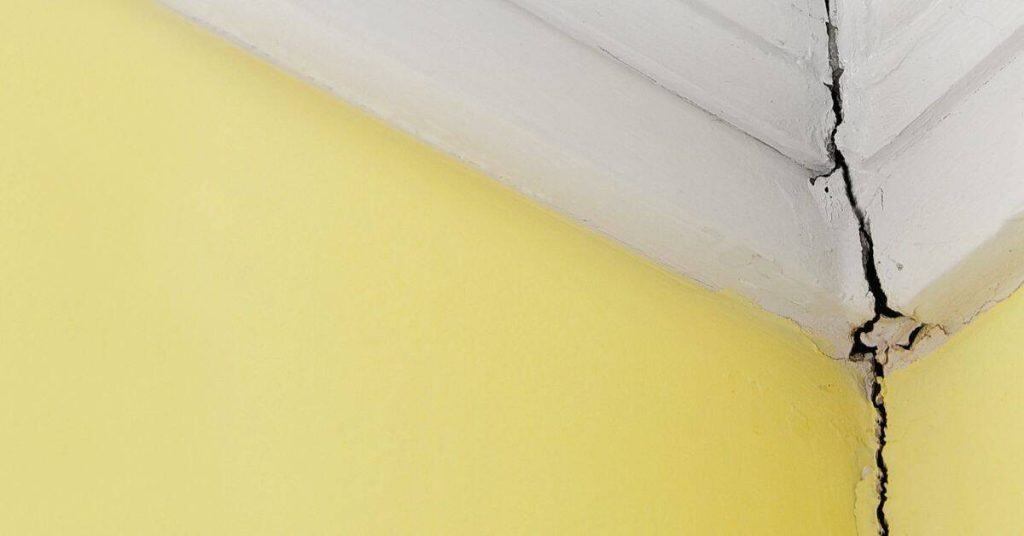
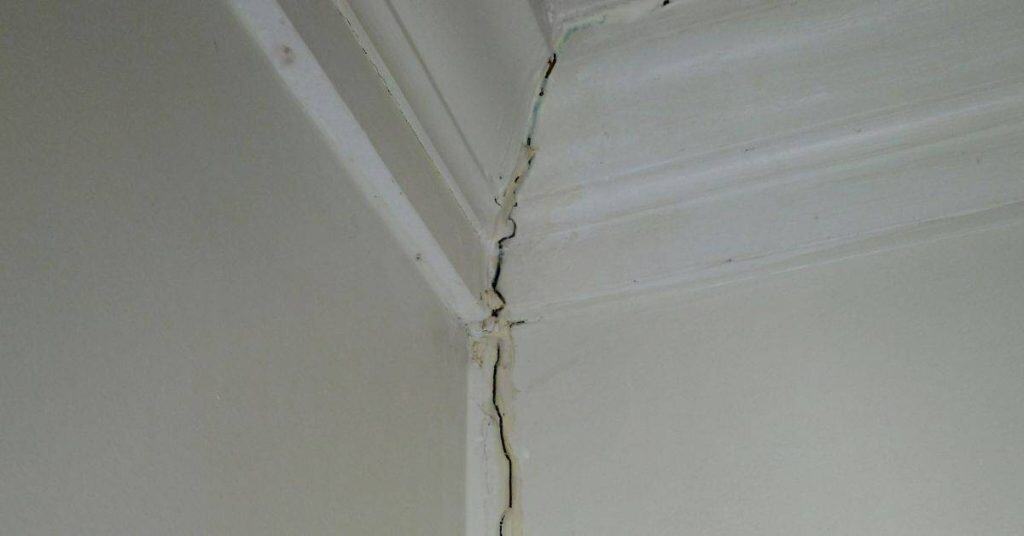
Repairing Plaster at Wall-to-Ceiling Corners: Controlling Re-Cracks at the Joint

Repairing Plaster at Wall-to-Ceiling Corners: Controlling Re-Cracks at the Joint

Introduction Repairing plaster at wall-to-ceiling corners helps stop re-cracking at the joint. The guide explains common causes of corner cracks and why proper technique matters for a durable finish. You’ll learn practical steps, tips for prep and finish, and rules of thumb to keep corners stable over time. Key takeaways Inspect crack width and moisture

Repairing Plaster at Wall-to-Ceiling Corners: Controlling Re-Cracks at the Joint Read More »

Trowel Notch Size Selection: Choosing 1/4″ 1/2″ Based on Tile and Flatness

Trowel Notch Size Selection: A Step-by-Step Timeline for Tile Installation

Introduction The timeline of your tile installation project is crucial to ensure a successful and durable finish. Understanding how long each step takes, from preparation to grouting, helps you plan effectively and avoid common mistakes. In this guide, we’ll walk you through the process of selecting the right trowel notch size based on tile and

Trowel Notch Size Selection: A Step-by-Step Timeline for Tile Installation Read More »

Coverage Checks: How to Pull a Tile and Know If You’re Actually Doing It Right

Coverage Checks: How to Pull a Tile and Know If You’re Actually Doing It Right

Introduction You can know if you pulled a tile correctly by verifying coverage and proper adhesion. The guide walks through practical steps, common signs of good and bad installs, and simple rules of thumb to help you assess a tile pull on the job. Key takeaways Plan a careful tile pull after curing to prevent

Coverage Checks: How to Pull a Tile and Know If You’re Actually Doing It Right Read More »

When to Use a Leveling System: Where It Helps and Where It Hides Bad Prep

When to Use a Leveling System: Where It Helps and Where It Hides Bad Prep

Introduction Use a leveling system to create flat, stable surfaces when the base is sound, and recognize it won’t compensate for bad prep. You’ll learn how to assess when it’s appropriate, how to place and use it for accurate results, and how to spot prep issues that require attention before proceeding. Key takeaways Leveling systems

When to Use a Leveling System: Where It Helps and Where It Hides Bad Prep Read More »

Inside Corners in Showers: Caulk Vs Grout and Where Movement Actually Happens

Inside Corners in Showers: Caulk Vs Grout and Where Movement Actually Happens

Introduction In shower inside corners, caulk handles movement while grout is best for rigid joints. The guide explains when to use each, how to assess movement in corners, and practical steps for proper application and sealing. Key takeaways Caulk tolerates movement in vertical corners; grout is rigid and can crack. Movement occurs mainly where framing

Inside Corners in Showers: Caulk Vs Grout and Where Movement Actually Happens Read More »