Search Results for: mortar type

Decorative plaster corbel on exposed brick wall

Rebuilding Decorative Plaster Edges: Simple Molds You Can Make to Match Profiles

Introduction Rebuilding decorative plaster edges means making simple, handmade molds to reproduce the profile you want. You can shape the mold from clay or use basic flexible material to match the original edge, then set it up for casting. Check the profile on the piece and follow manufacturer instructions or local rules for materials and […]

Rebuilding Decorative Plaster Edges: Simple Molds You Can Make to Match Profiles Read More »

Person applying plaster to wall near window corner

Repairing Cracks at Door and Window Corners: Reinforcement Methods That Stay Invisible

Introduction Invisible reinforcement methods for cracks at door and window corners involve strengthening the surrounding frame and substrate without visible patching. This article covers practical, stay-in-place techniques you can do yourself to keep a tight, long-lasting seal. You’ll identify crack types and choose a method that doesn’t alter the look of the opening. Identify crack

Repairing Cracks at Door and Window Corners: Reinforcement Methods That Stay Invisible Read More »

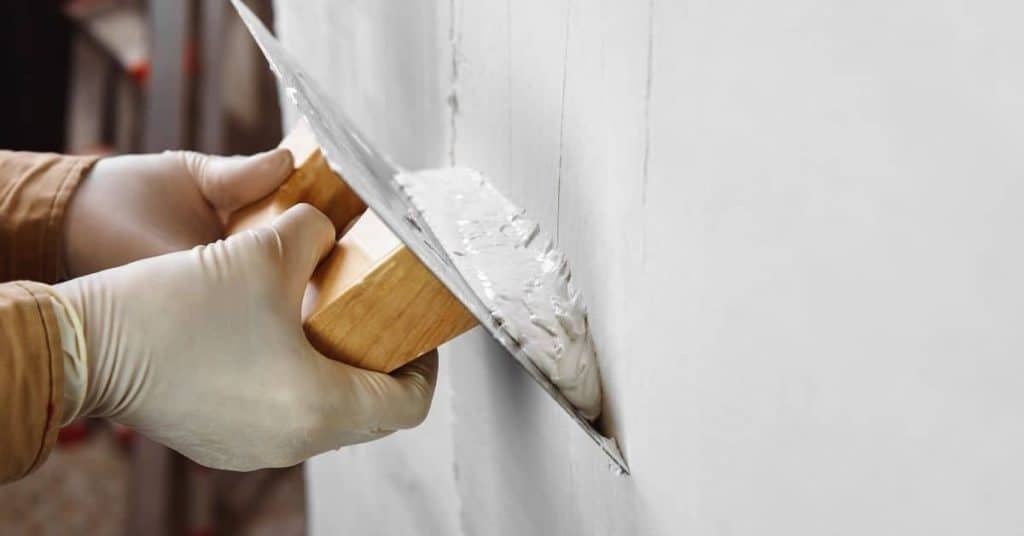
Hands in gloves applying plaster with a flat trowel

Lime Vs Gypsum Patching: Why Mismatched Materials Cause Future Failure

Introduction Mismatched patching materials can fail later due to incompatible chemistry. Lime and gypsum set and breathe differently, so using the wrong combo can lead to cracks, dusting, or damp spots. Stick to a patching mix that matches what’s already on the wall for best results. When patching, verify that the material is compatible with

Lime Vs Gypsum Patching: Why Mismatched Materials Cause Future Failure Read More »

Worker applying plaster to wall with trowel and hawk

Plaster and Vapor: Where Breathability Matters in Older Walls

Introduction Breathable plaster and finishes are materials that allow moisture to move through walls while still providing a solid, decorative surface. In practical DIY terms, that means choosing coatings that don’t seal the wall airtight, so old walls can dry out after moisture events. This matters most on older homes with lime or clay components

Plaster and Vapor: Where Breathability Matters in Older Walls Read More »

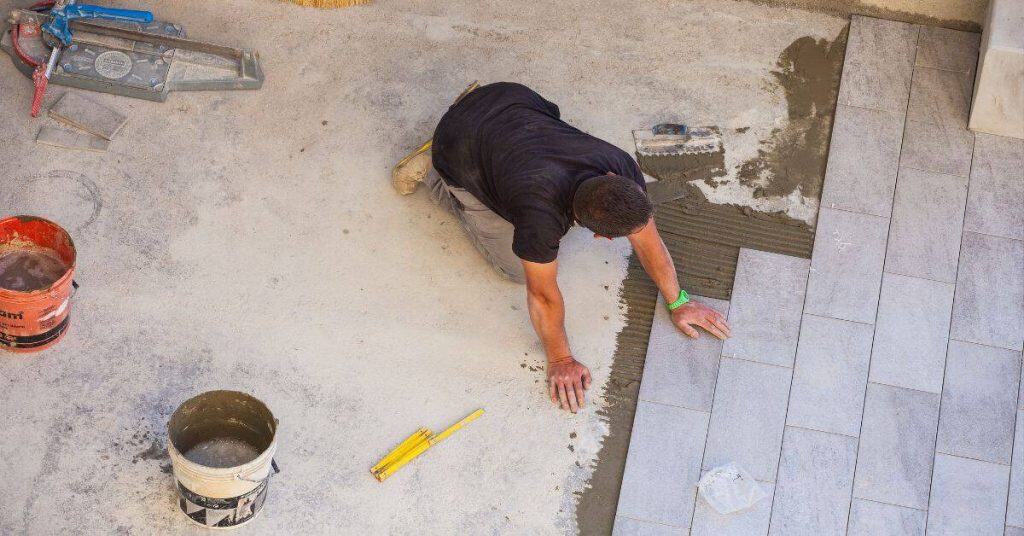
Man kneeling installing rectangular floor tiles

Preventing Hollow Tiles: Spotting Poor Bond Early and Correcting Course

Introduction Hollow tiles occur when the bond between the tile and the substrate fails, leaving empty space behind. You can spot it early by tapping tiles and listening for a dull thud, or feeling movement underfoot. Look for inconsistent grout lines or tiles that crack easily under light load. Correcting course means improving surface prep,

Preventing Hollow Tiles: Spotting Poor Bond Early and Correcting Course Read More »

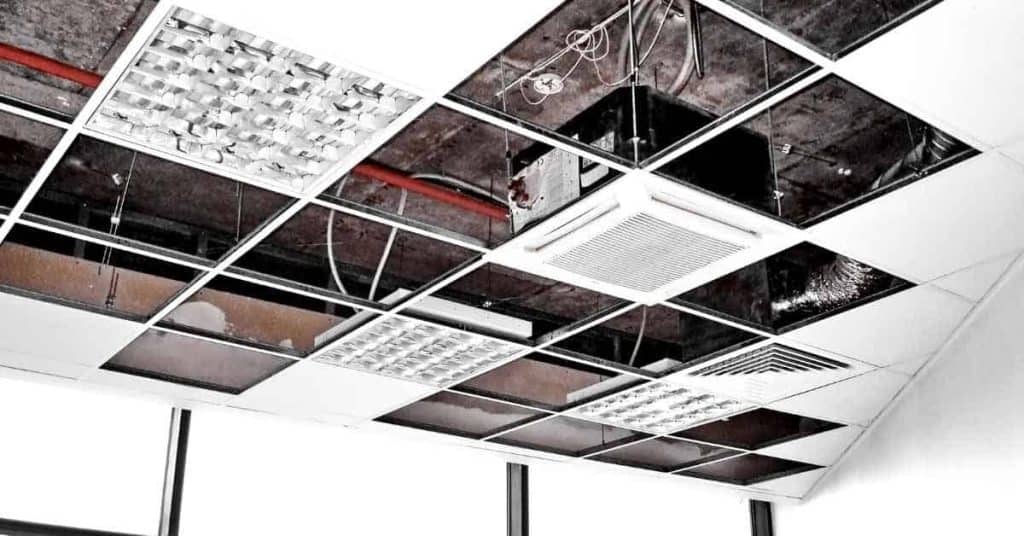
Drop ceiling grid with missing and installed tiles

Tile Tenting: Why Floors Pop and How to Prevent It During Install

Introduction Tile tenting happens when a floor under the tile lifts or pushes up, creating a tent-like shape. This is usually caused by movement in the subfloor or improper adhesive setup during install. Starting a repair requires finding the source and reworking the substrate and setting materials. Preventing tenting starts with solid prep: fix any

Tile Tenting: Why Floors Pop and How to Prevent It During Install Read More »

Hand holding trowel smoothing fresh concrete surface

Trowel Pressure Basics: How to Avoid Ripples and “Drag Marks”

Introduction Trowel pressure basics are about using steady, even pressure with a finishing trowel to smooth fresh concrete and minimize ripples. Doing it right means consistent body movement, proper timing, and paying attention to the surface as you work. If you need hands-on guidance, you can reach out with questions and we’ll point you to

Trowel Pressure Basics: How to Avoid Ripples and “Drag Marks” Read More »

Worn mallet resting on gray natural stone paving slabs

Sealing Natural Stone: How to Test Absorption and Avoid Blotchy Results

Introduction Sealing natural stone means applying a treatment to reduce absorption and prevent blotchy stains. This guide shows how to test how much liquid the stone takes in and how sealing changes that. Keep in mind that different stones behave differently and results depend on stone type and finish. You’ll learn a simple, real‑world test

Sealing Natural Stone: How to Test Absorption and Avoid Blotchy Results Read More »

Rubber mallet on tile floor with level tool nearby

Lippage at Outside Corners: How to Plan and Cheat It so It Looks Intentional

Introduction Lippage at outside corners happens when tile edges don’t line up cleanly at the corner. This guide explains how to plan the layout and adjust the cut to make it look intentional. Think ahead by dry-fitting pieces, marking where you will cut, and adjusting your layout to hide small gaps. Check local guidelines and

Lippage at Outside Corners: How to Plan and Cheat It so It Looks Intentional Read More »