Search Results for: mortar type

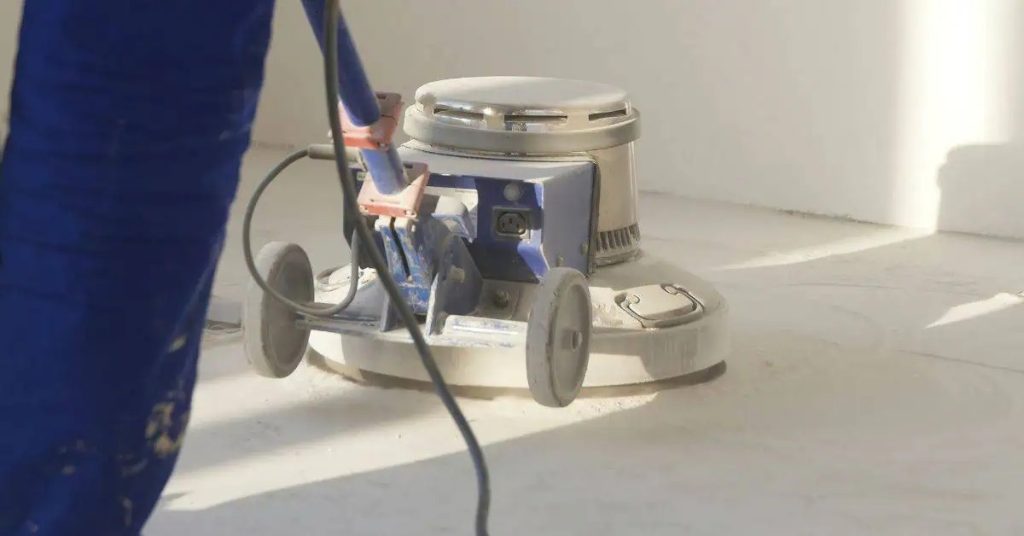
Concrete floor polishing machine on smooth concrete surface

Bonding new concrete to old work: scarify vs grind vs acid (and why acid often disappoints)

Introduction Scarify, grind, and acid are surface-prep methods used to promote bonding between new concrete and old work. Choosing the right method depends on the old surface condition and the project, and acid often disappoints if not applied carefully. This article explains practical choices in plain language and what to expect when you prep for […]

Bonding new concrete to old work: scarify vs grind vs acid (and why acid often disappoints) Read More »

Unfinished multi-story concrete building structure outdoors

Self-leveling overlays on concrete: dams, primers, and stopping pinholes and ripples

Introduction Self-leveling overlays are pourable surface toppings designed to flow into low spots and produce a flat, smooth concrete surface. They rely on proper surface preparation, containment dams at edges, and primer or bond agents to promote adhesion. Always follow the material manufacturer’s instructions for mixing, compatibility with the concrete, and cure requirements. Before you

Self-leveling overlays on concrete: dams, primers, and stopping pinholes and ripples Read More »

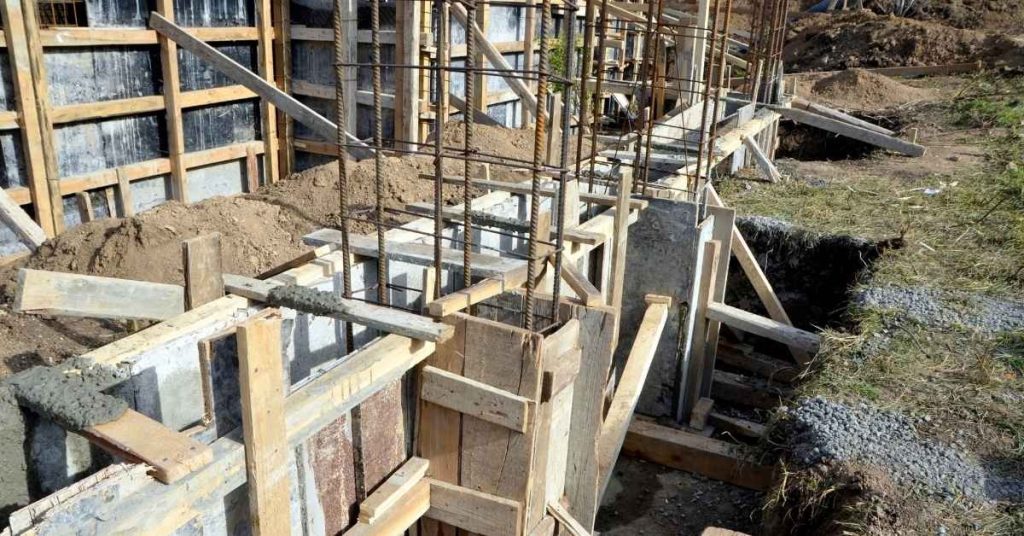
Concrete foundation formwork with exposed rebar and soil

Feather finish vs polymer patch on concrete: choosing a repair that won’t pop off in winter

Introduction Cement Skim Coat vs Polymer Patch for Winter Repairs Feather finish is a thin cement skim coat, ideal for smoothing surfaces. A polymer patch, on the other hand, is a patching compound used to fill small defects. This guide compares their winter performance and provides practical DIY repair steps. Assess damage extent, substrate condition,

Feather finish vs polymer patch on concrete: choosing a repair that won’t pop off in winter Read More »

Concrete float smoothing wet concrete slab surface

Reading water stains around concrete slabs: simple drainage diagnostics before you start digging

Introduction Water stains around a concrete slab signal drainage or seepage issues that should be diagnosed before you start digging. Observing the pattern, size, and timing of stains helps you understand where water is coming from. Use these clues to plan simple, noninvasive checks first. Look for common signs of leaks such as damp patches,

Reading water stains around concrete slabs: simple drainage diagnostics before you start digging Read More »

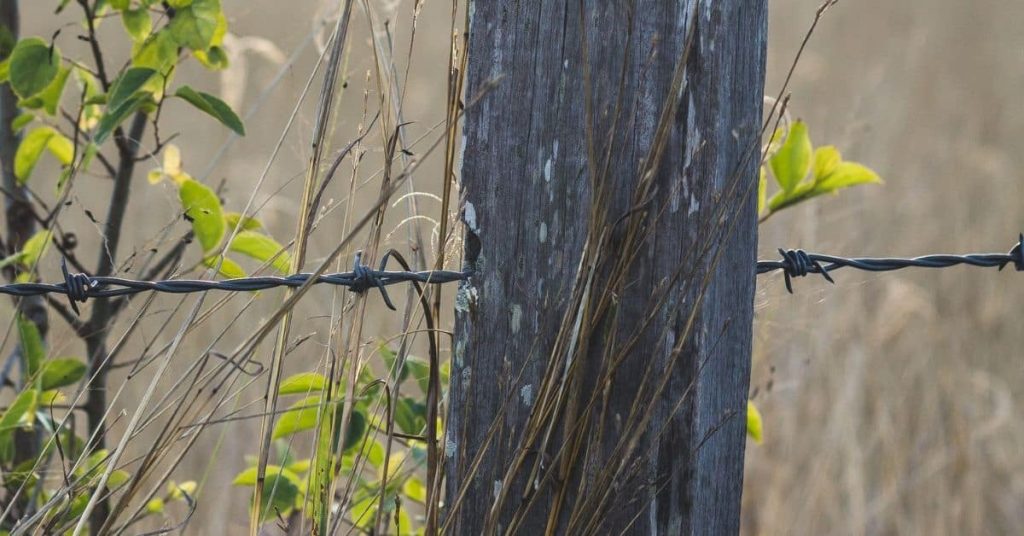
Close-up of weathered wooden fence post with barbed wire and dry grass

Concrete Post Base Pockets and Voids: Where They Come from and How to Patch Invisibly

Introduction Concrete post base pockets are hollow or voided areas that form under a post base in poured concrete. They develop when formwork fails to support the concrete properly, when settlement occurs, or when air and water leave gaps before the concrete cures. These voids can compromise the base and the surrounding footing if not

Concrete Post Base Pockets and Voids: Where They Come from and How to Patch Invisibly Read More »

Fresh concrete poured into yellow wooden formwork

Rock Pockets on Formed Concrete Faces: Prevention During Pour and Durable Cosmetic Repairs

Introduction Rock pockets are hollow spots or voids that appear on the surface of formed concrete faces. They form when aggregate or cement settles away from the surface during pour, leaving visible pockets. Proper formwork, consistent pour, and careful surface preparation help prevent them. Symptoms include small pits and rough spots on the face that

Rock Pockets on Formed Concrete Faces: Prevention During Pour and Durable Cosmetic Repairs Read More »

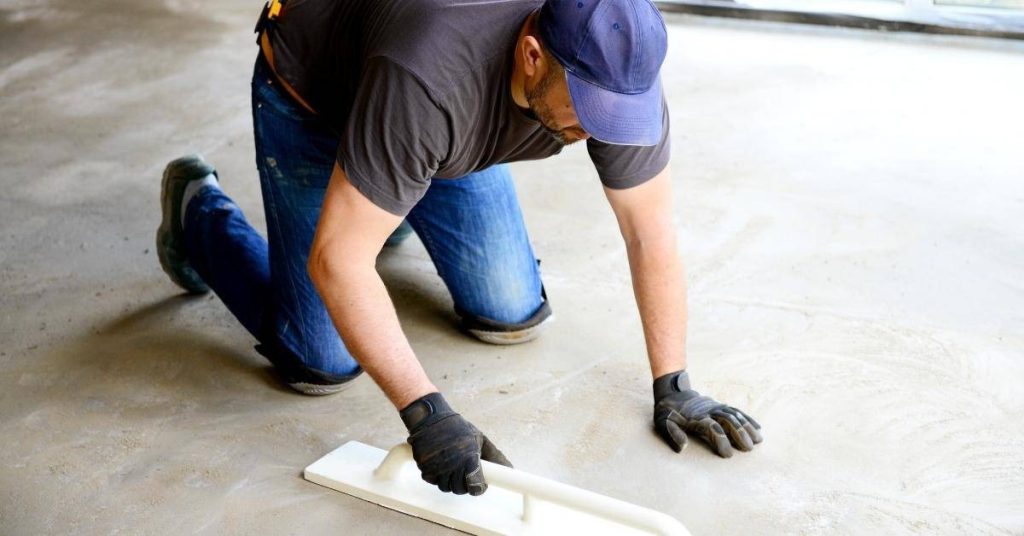
Worker smoothing new concrete floor with hand float

Bonding New Concrete to Old Work: Scarify Vs Grind Vs Acid (and Why Acid Often Disappoints)

Introduction Bonding new concrete to old work means preparing the surface so fresh concrete will adhere to an existing slab. Scarify, grind, and acid-etch are common surface-prep options, each with its own trade‑offs. Understanding when to use each method helps you avoid weak bonds and failed pours. Scarifying provides a mechanical key by roughening the

Bonding New Concrete to Old Work: Scarify Vs Grind Vs Acid (and Why Acid Often Disappoints) Read More »

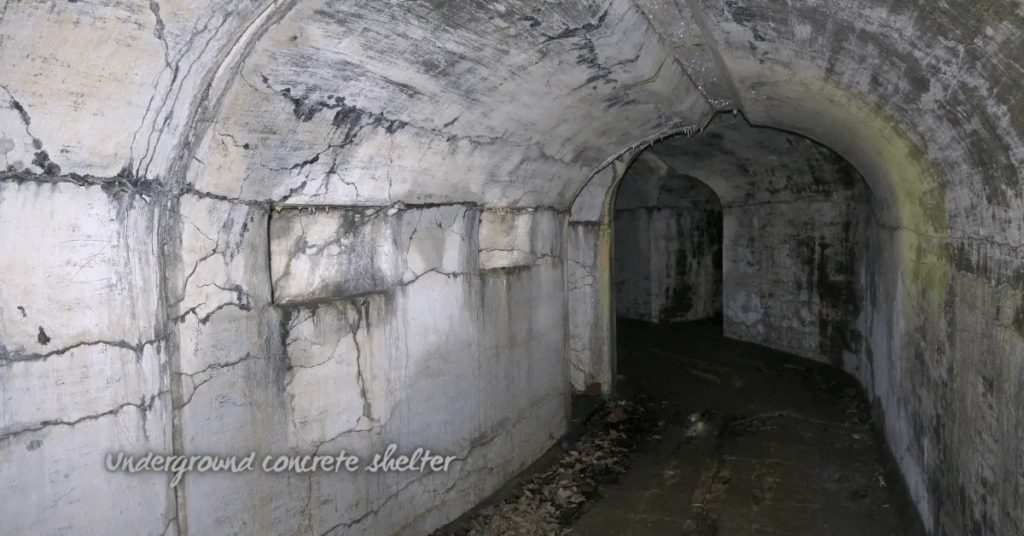
Cracked concrete walls and ceiling inside underground tunnel

Concrete Overlay Vs Full Replacement: a Decision Guide Based on Movement, Moisture, and Thickness

Introduction Concrete overlay is a thin surface layer applied over an existing floor to refresh or repair it without removing the old substrate. Full replacement requires removing the existing concrete and pouring a new slab or substrate. Both options have tradeoffs in durability, cost, and installation time. Choosing between them depends on movement, moisture, and

Concrete Overlay Vs Full Replacement: a Decision Guide Based on Movement, Moisture, and Thickness Read More »

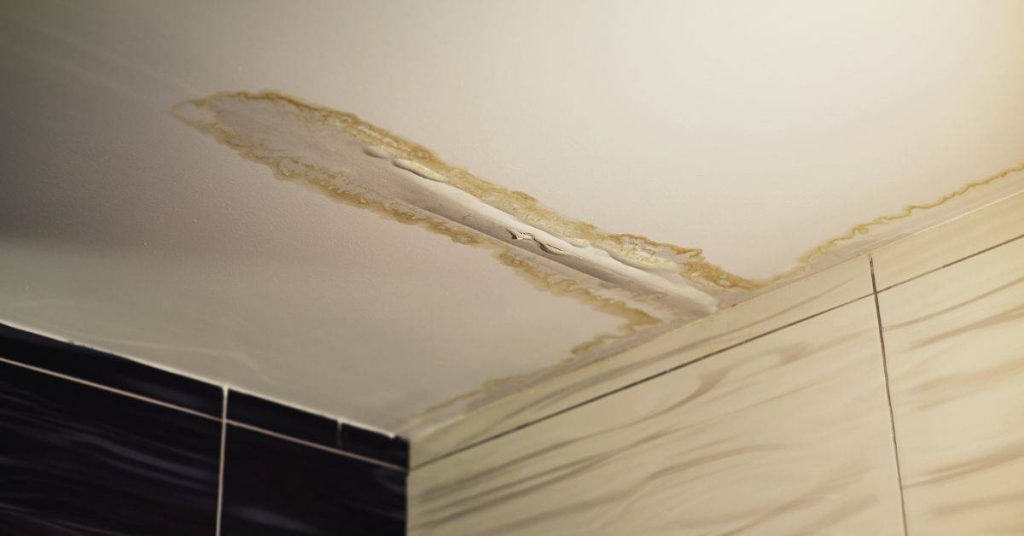
Ceiling with water stains and damage near corner tiles

Choosing the Right Concrete Crack Repair for Your Situation: Movement, Width, and Water

Introduction Choosing the right concrete crack repair means matching the repair method to how the crack moves, how wide it is, and whether water is involved. Cracks can be structural or non-structural, and the approach should reflect that difference and how it affects stability. Start by noting whether the crack is active, and how you

Choosing the Right Concrete Crack Repair for Your Situation: Movement, Width, and Water Read More »

smooth concrete driveway with segmented joints and surrounding grass

Proper Slope on Exterior Concrete Slabs: Easy Layout Methods That Avoid Puddles

Introduction A proper exterior concrete slab slopes away from structures to prevent puddles. Keep the surface directional so water flows toward adequate drainage, not toward doors or foundations. This article offers simple layout methods you can use in a real-hand DIY project. Use basic layout tools to mark a gentle, continuous incline and check with

Proper Slope on Exterior Concrete Slabs: Easy Layout Methods That Avoid Puddles Read More »