Search Results for: mortar color

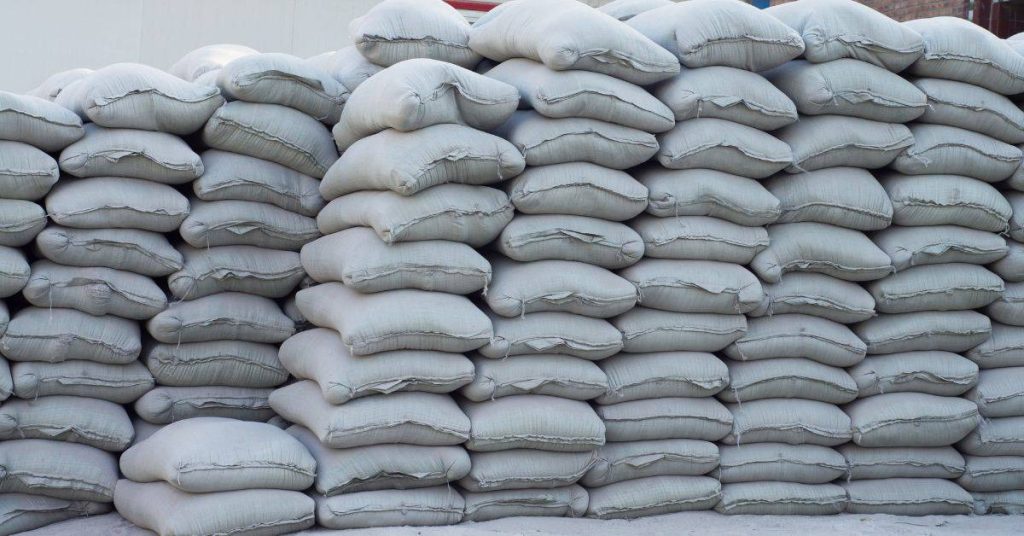
Stacked white cement bags arranged in rows

White Concrete Mix for Clean Architectural Pieces: Cement Choice, Sand Color, and Plasticizer Options

Introduction White concrete mix is a cement-based blend designed to produce a light, pale finish for clean architectural pieces. When choosing cement, look for options that emphasize whiteness and low tint; check the label and manufacturer instructions to understand allowable color ranges. If in doubt, ask the supplier about pigments or whitening additives and how […]

White Concrete Mix for Clean Architectural Pieces: Cement Choice, Sand Color, and Plasticizer Options Read More »

Precast concrete wall panels stacked outside a building

Concrete Micro-Inlays: Engraving, Filling With Colored Grout, and Sealing So It Stays Clean

Introduction Concrete micro-inlays are small engravings in concrete that are filled with colored grout and sealed to stay clean. The basic idea is to create a crisp line or pattern, then repair and protect it with color and a sealant. With the right hand tools and a steady hand, you can add simple lines or

Concrete Micro-Inlays: Engraving, Filling With Colored Grout, and Sealing So It Stays Clean Read More »

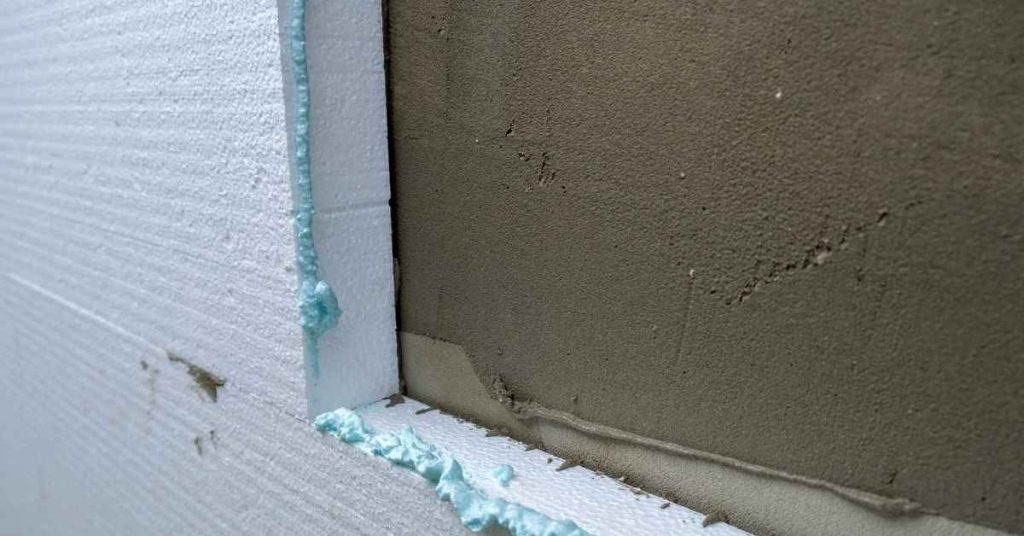
Close-up of foam insulation and repair mortar edge

Feather-Edge Rules for Repair Mortars: Minimum Thickness by Product Type

Introduction Feather-edge thickness for repair mortars is the minimum thickness you should aim for at the feathered edge of a repair, as defined by the product you choose. Because different products have different requirements, always check the label and the manufacturer instructions for the exact minimum. If in doubt, consult local rules or a pro

Feather-Edge Rules for Repair Mortars: Minimum Thickness by Product Type Read More »

Cracked white mortar on red brick wall in sunlight

Latex (SBR) Modifiers in Repair Mortars: Strength Gains vs Breathability Losses

Introduction Latex (SBR) modifiers are synthetic rubber additives used in repair mortars to improve flexibility and adhesion. They help the mortar resist cracking as concrete moves, but they can reduce breathability if overused. Always check the product label and manufacturer instructions for recommended usage and cure expectations. In textile-reinforced mortars (TRMs), SBR modifiers can boost

Latex (SBR) Modifiers in Repair Mortars: Strength Gains vs Breathability Losses Read More »

Man patching interior wall with plaster using putty knife

Patching Lime Plaster: Blending repairs without a color mismatch

Introduction Patching lime plaster is the process of repairing damaged areas so the new work matches the old finish. Work with lime plaster that matches the existing mix and color, and test color while it’s still workable to avoid a mismatch. Use feathered, gradual transitions and don’t overfill; the goal is a seamless repair. Prepare

Patching Lime Plaster: Blending repairs without a color mismatch Read More »

paintbrush resting on yellow paint bucket with roller tray and colorful paint buckets

Limewash Streaks: Preventing lap marks and uneven color

Introduction Limewash streaks are uneven color patches that appear as lap marks when the coating dries. This article explains practical, hands-on steps to prevent them while you’re working with limewash. You’ll learn simple checks and common-sense methods you can do on a DIY project. Start by preparing the surface well and applying limewash in consistent

Limewash Streaks: Preventing lap marks and uneven color Read More »

Bucket with mortar mixing paddle and hand tools inside

Grout vs Mortar vs Thinset: Picking the Right Material for Each Job

Introduction Grout, mortar, and thinset are three distinct masonry materials used for different jobs: grout fills gaps between tiles, mortar binds bricks or blocks, and thinset is a cement-based adhesive for setting tiles. In DIY work, choose based on whether you need bonding, filling, or leveling, and adjust for indoor vs outdoor use. Standard blends

Grout vs Mortar vs Thinset: Picking the Right Material for Each Job Read More »

Two black rectangular planters with green plants outside white house

Ferrocement Planters and Thin Structures: Mesh Layout, Mortar Mix, and Curing

Introduction Ferrocement is a thin, reinforced cement mortar system that uses mesh and a cementitious mix to build lightweight, curved shells like planters. It relies on multiple coats and a strong mesh lattice to hold shape and resist cracking. It’s a hands-on technique that you can adapt for small DIY projects, with attention to formwork

Ferrocement Planters and Thin Structures: Mesh Layout, Mortar Mix, and Curing Read More »

Person holding paint roller with rust color near paint-splattered ladder

Clay Plaster Pigments: Color Mixing, Mottling Control & Testing – Timeline & Schedule

Introduction The timeline for working with clay plaster pigments can vary greatly depending on the size of your project and the complexity of your color scheme. Understanding how to manage your time effectively is crucial for a successful outcome. In this guide, we’ll break down the process into clear, time-based steps, helping you plan your

Clay Plaster Pigments: Color Mixing, Mottling Control & Testing – Timeline & Schedule Read More »