Search Results for: mortar color

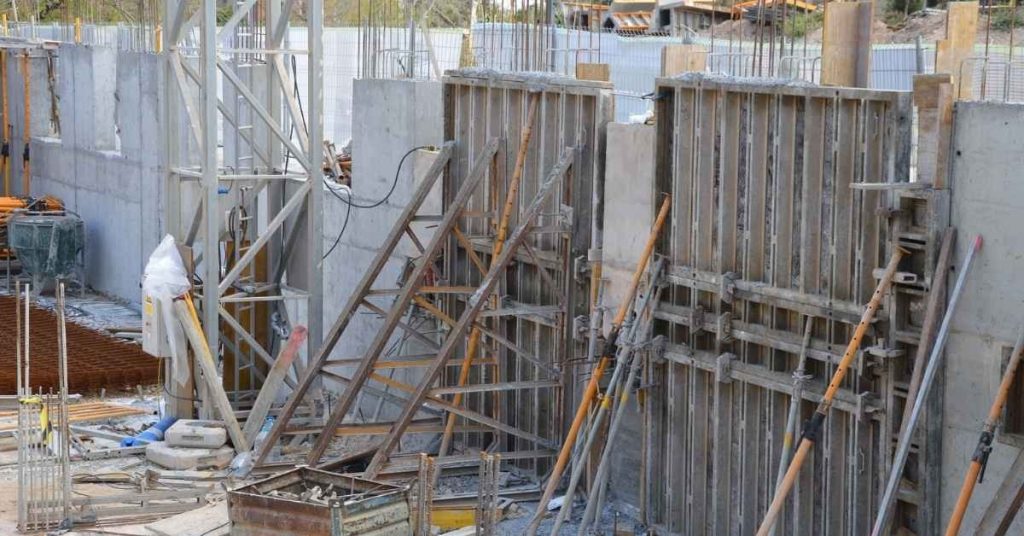
Concrete wall formwork supported by braces at construction site

Form oil and release agents: the types that stain and how to avoid fish-eyes

Introduction Form oils and release agents are coatings applied to forms to prevent concrete from sticking. They can stain if the wrong type is used or if the application is uneven. Check the label and follow the manufacturer’s instructions to choose the right option for your form material. To avoid fish-eyes, test a small area […]

Form oil and release agents: the types that stain and how to avoid fish-eyes Read More »
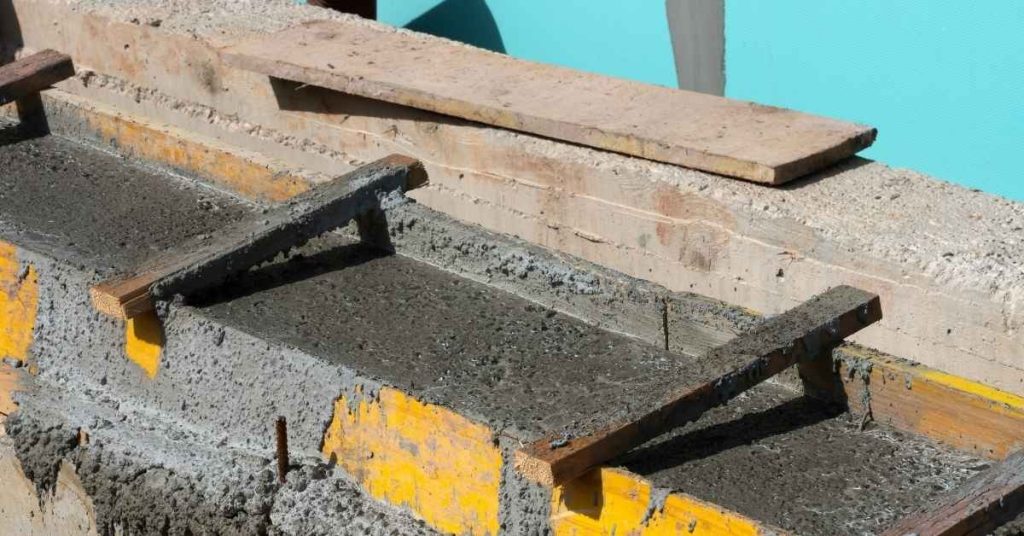
Fresh concrete poured into wooden formwork sections

Rock pockets on formed faces: prevention during pour and durable cosmetic repairs

Introduction Rock pockets on formed faces are voids left behind when concrete doesn’t fully fill the form, showing up as visible dimples or craters. Prevention starts at form setup, proper vibration, and keeping the form clean so the pour fills evenly. Check for tight joints, correct slump, and adequate consolidation during the pour. For durable

Rock pockets on formed faces: prevention during pour and durable cosmetic repairs Read More »

Close-up of blue textured stucco wall surface

Repairing Stucco Behind Hose Reels and Brackets: Keeping the WRB Intact

Introduction Repairing stucco behind hose reels and brackets means fixing cracks and damage without compromising the wall and its weather barrier. Keep the WRB intact by protecting it while you remove hardware and apply patches. Use appropriate repair materials that match the stucco type and follow label directions, and avoid overloading or trapping moisture. If

Repairing Stucco Behind Hose Reels and Brackets: Keeping the WRB Intact Read More »

Person applying plaster on wall with trowel

High-Gloss Venetian Plaster: A Layering Plan to Avoid Drag Marks and Streaks

Introduction High-gloss Venetian plaster is a multi-layer decorative finish that builds a shiny, mirror-like surface. This article lays out a practical layering plan to keep drag marks and streaks under control as you work. You’ll be working in thin, even coats and checking your tool marks as you go. Begin with surface prep, then keep

High-Gloss Venetian Plaster: A Layering Plan to Avoid Drag Marks and Streaks Read More »

Worker smoothing plaster on wall with trowel

Plaster Near Masonry Chimneys: Expansion Gaps That Prevent Heat-Cycle Cracks

Introduction Expansion gaps between plaster and masonry chimneys help prevent cracks from heating and cooling. When the chimney heats up, the brick or metal behind the plaster expands and the plaster needs room to move. Without a gap, cracks can form as parts push against each other. To set this up during a DIY job,

Plaster Near Masonry Chimneys: Expansion Gaps That Prevent Heat-Cycle Cracks Read More »

Hand smoothing lime plaster on wall with trowel

Lime Plaster in Basements: Moisture Testing, Vapor Drive, and Paint Choices

Introduction Lime plaster in basements is a breathable plaster finish that helps manage moisture. It relies on lime’s chemistry to let vapor pass while providing a durable coat. This DIY approach requires careful moisture testing and proper surface prep. Moisture testing, understanding vapor drive, and choosing compatible paints matter for long-term performance. Check product labels,

Lime Plaster in Basements: Moisture Testing, Vapor Drive, and Paint Choices Read More »

Brick wall with window and brick lintel above

Replacing a Rusted Brick Lintel: Supporting the Wall and Preventing Future Stains

Introduction Replacing a rusted brick lintel means removing the corroded support above an opening and installing a proper replacement to keep the wall carrying loads. Before you touch it, set up temporary shoring to hold the wall while you work, and inspect the surrounding brick and mortar for damage. Check local rules and the manufacturer’s

Replacing a Rusted Brick Lintel: Supporting the Wall and Preventing Future Stains Read More »

Construction worker laying mortar on brick wall outdoors

Stair-Step Cracks in Brick Walls: What They Mean and When It’s Serious

Introduction Stair-step cracks in brick walls are diagonal cracks that zigzag up the wall along the mortar joints. They often signal movement in the wall, not just settling. If you see them, inspect for movement, moisture, and any doors or windows that stick. What you do next depends on how serious the crack looks and

Stair-Step Cracks in Brick Walls: What They Mean and When It’s Serious Read More »

curved brick paver pathway with stone wall and landscaping

Brick Paver Edging That Won’t Spread: Restraints, Bedding, and Joint Choices

Introduction Edging that won’t spread is a border for brick paver layouts that stays in place and keeps the line looking sharp. Getting it right means using sturdy restraints, a solid bedding layer, and properly selected joints. Always check the product label and local rules for any installation limits that apply to your area. Choose

Brick Paver Edging That Won’t Spread: Restraints, Bedding, and Joint Choices Read More »

Close-up of gas-powered cutting saw blade in front of red truck

Cutting Brick Pavers Cleanly: Blades, Chipping Control, and Dust Safety

Introduction Cutting brick pavers cleanly means using the right blade and technique to produce straight, square cuts with minimal chipping. Choose a blade rated for masonry and masonry-specific cutting, and align your cut with the paver face for a clean edge. Take your time to steady the paver and clamp it, then make a shallow

Cutting Brick Pavers Cleanly: Blades, Chipping Control, and Dust Safety Read More »