Search Results for: moisture behind stucco

Open can of white paint with color swatch cards on colored paper

Breathable Paint for Stucco vs Elastomeric: When “Waterproof” Becomes a Problem

Introduction Breathable paint is a coating that lets moisture escape from the wall while still blocking water on the surface. When used on stucco, it helps the wall “breathe” so moisture isn’t trapped inside the coating or substrate. For DIY work, read the label and follow the manufacturer instructions to ensure proper surface prep and […]

Breathable Paint for Stucco vs Elastomeric: When “Waterproof” Becomes a Problem Read More »
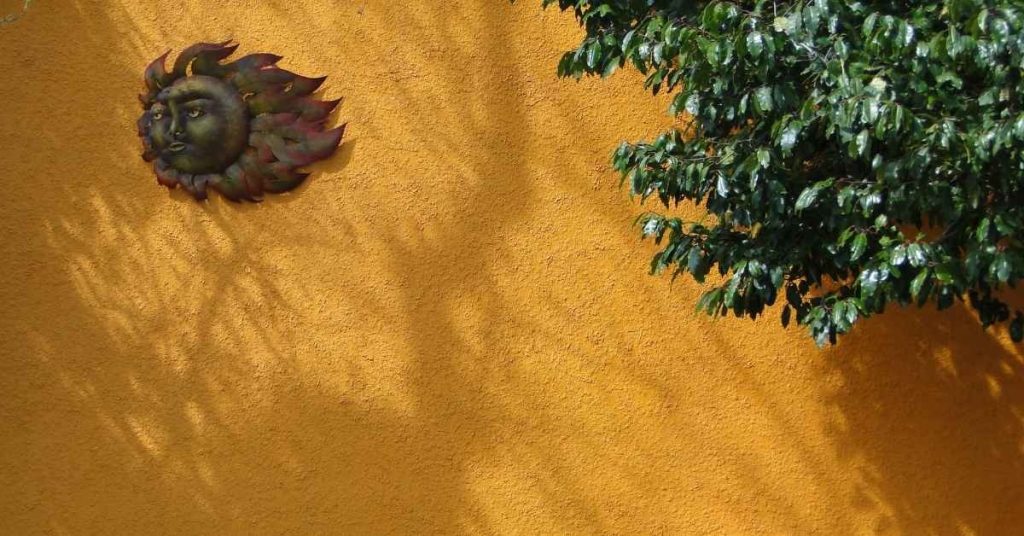
Textured yellow stucco wall with decorative sun and green leaves

Efflorescence on Stucco After Rain: What It Means and How to Clean Gently

Introduction Efflorescence is a whitish, powdery salt deposit that can appear on stucco after rain. It means moisture carried salts to the surface and dried, leaving a residue. Weather, moisture, and the wall materials all play a role in how it shows up. To clean it gently, start with a light rinse to remove loose

Efflorescence on Stucco After Rain: What It Means and How to Clean Gently Read More »

Hand in pink glove scrubbing stucco wall with brush

Algae on Stucco: Cleaning Methods That Don’t Bleach Color or Etch Finish

Introduction Algae on stucco is algae growth that appears as green or dark spots on the surface. Identify it by color, texture, and where it’s growing, especially in shaded or damp areas. This guide keeps things simple for DIY homeowners and avoids bleaching or etching. Use safe cleaners that are milder than bleach and follow

Algae on Stucco: Cleaning Methods That Don’t Bleach Color or Etch Finish Read More »

closeup of textured light gray stucco wall surface

Sprinkler Damage on Stucco: Salt, Staining, and Long-Term Protection

Introduction Sprinkler damage on stucco is the salt and water-related staining and surface effects caused by sprinkler spray. Sprinkler spray can leave salty deposits, efflorescence, and moisture issues on stucco. This article covers how to spot salt staining, what causes it, and why sealing can help protect the surface. Look for white, powdery deposits, dark

Sprinkler Damage on Stucco: Salt, Staining, and Long-Term Protection Read More »

Closeup of rough stucco texture with grooves and patches

Dash-and-Lace Stucco Repairs: Hiding Patches Under Raking Light

Introduction Dash-and-Lace Stucco Repairs are patch-and-texture fixes designed to hide patches when light hits the wall. This hand-on method relies on small, deliberate texture changes to blend repairs with the surrounding surface under raking light. It’s a straightforward, bottom-line approach you can do with basic tools and patience. Work up-close so you can see the

Dash-and-Lace Stucco Repairs: Hiding Patches Under Raking Light Read More »

Exposed brick wall partly covered with gray stucco render

Stucco-to-Brick Transitions: Movement Joints and Water Breaks That Don’t Crack

Introduction A movement joint at a stucco-to-brick transition is a deliberate gap that lets the siding materials expand and contract without cracking. Its job is to separate the two substrates so stresses don’t transfer and crack the finish. This article shows practical, hands-on steps for placing joints and installing water breaks so the transition stays

Stucco-to-Brick Transitions: Movement Joints and Water Breaks That Don’t Crack Read More »

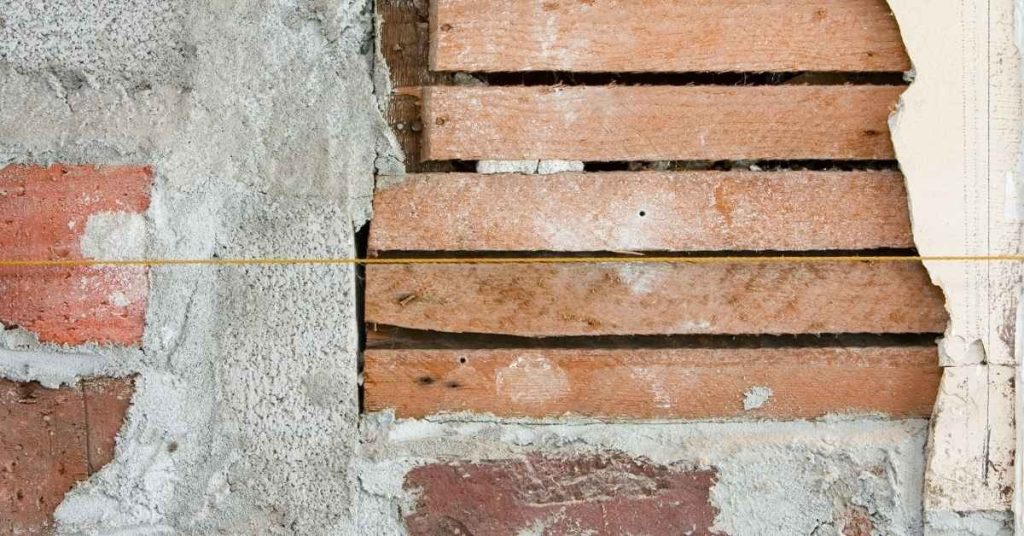
Exposed wooden lath under cracked plaster wall section

Rusting Stucco Lath in a Patch: Safe Cutback Limits and Better Refastening

Introduction Rusting stucco lath in a patch means the metal lath under the plaster has corroded and loosened, reducing support for the patch. That corrosion can cause the patch to crack or fall away if not addressed. Start by pulling back loose plaster and securing any loose lath pieces, then replace or tie back missing

Rusting Stucco Lath in a Patch: Safe Cutback Limits and Better Refastening Read More »

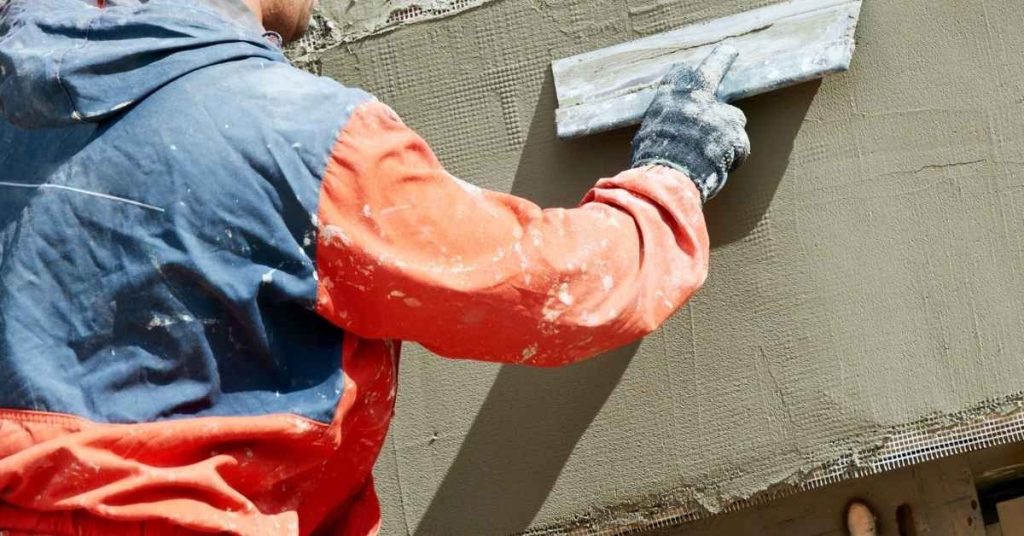
Worker applying fresh stucco with trowel to wall surface

Soft Stucco Diagnosis: Probe Tests to Separate Erosion from Lath Failure

Introduction Soft stucco indicates exterior plaster that feels soft or hollow, signaling potential erosion or lath failure. You’ll see blistering, crumbling edges, or patches where the wall sounds hollow when tapped. This intro helps you spot trouble before you rip into major repairs. Probe tests involve gently tapping or lifting at suspect spots to feel

Soft Stucco Diagnosis: Probe Tests to Separate Erosion from Lath Failure Read More »

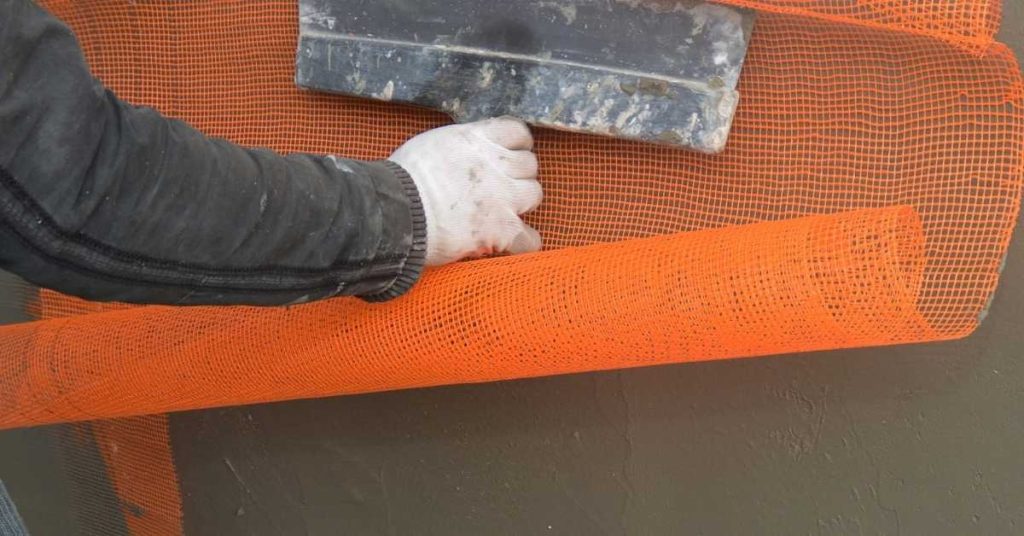
Person applying orange fiberglass mesh onto wet stucco surface

Cracks Over Framing in Stucco: Reinforcement Mesh Patterns That Actually Hold

Introduction Reinforcement mesh helps prevent cracks where stucco meets framing. Different mesh patterns distribute movement across a crack and across corners, so choose one that fits your wall and framing. Always check manufacturer and local guidance for mesh type, installation height, and any soak-in or primer requirements. For a DIY install, plan your mesh pattern

Cracks Over Framing in Stucco: Reinforcement Mesh Patterns That Actually Hold Read More »

Person applying stucco to wall with trowel

Stucco Window Sills Done Right: Slope, End Dams, and Rot Prevention

Introduction This is about making stucco window sills that shed water properly and resist rot. You’ll focus on the right slope, install end dams, and plan for long-lasting rot prevention. Tackle it like a practical DIY project with common tools and careful flashing. Choose materials and details that stand up to moisture, and verify with

Stucco Window Sills Done Right: Slope, End Dams, and Rot Prevention Read More »