Search Results for: moisture behind stucco

Man patching interior wall with plaster using putty knife

Lime Plaster Compatibility Rules: Patching Old Walls Without Future Failure

Introduction Lime plaster compatibility means using a mix that can bond to existing walls without trapping moisture. It requires considering the old wall material and ensuring the new plaster can move with it. Always check the wall for moisture or stability before patching. To patch, clean and roughen the surface, then apply a lime-based plaster […]

Lime Plaster Compatibility Rules: Patching Old Walls Without Future Failure Read More »

Tool smoothing control joint in wet concrete slab

Control Joint Spacing: Practical Layout Rules That Reduce Random Cracks

Introduction Control joints are planned cuts in concrete to control where cracks will form. Timing matters for saw cutting; cut while the concrete has cured enough to groove, but before random cracking starts. Plan spacing and layout based on the panel sizes you’re using and how the slab will be loaded throughout its life. Strategic

Control Joint Spacing: Practical Layout Rules That Reduce Random Cracks Read More »

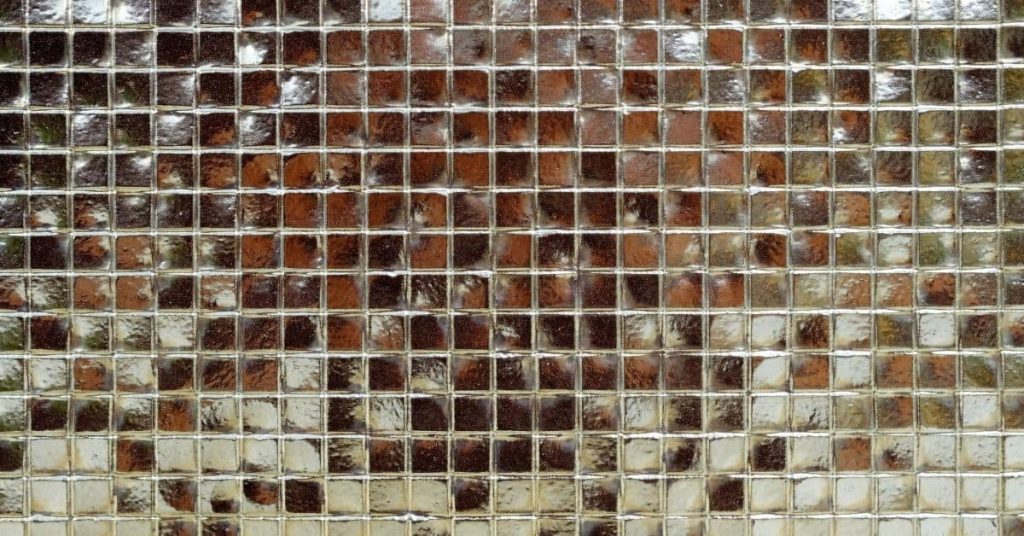
brown and beige glass mosaic tiles in square pattern

Installing Mosaic Tile: Sheet Handling, Alignment, and Grout Control

Introduction Installing mosaic tile means placing small tiles on a surface in predefined sheet patterns, then securing them with adhesive and preparing for grout. Work with the sheets carefully, cut as needed, and keep edges intact to avoid chipping. Align sheets on the substrate by checking straight lines, matching edges, and avoiding gaps that misalign

Installing Mosaic Tile: Sheet Handling, Alignment, and Grout Control Read More »

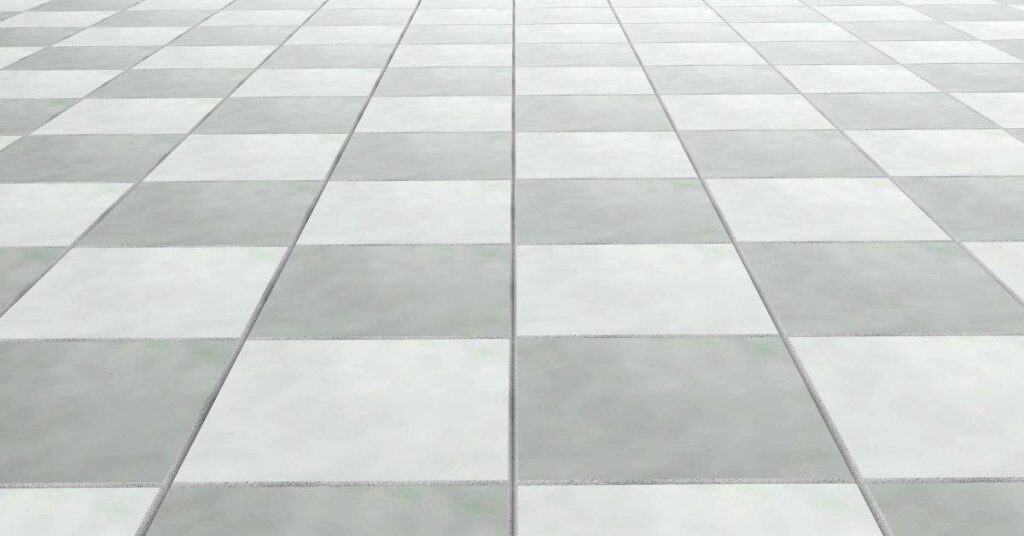
Checkerboard pattern floor tile in light gray and white

Peel-and-Stick Tile: What to Know Before You Buy and Before It Peels

Introduction Peel-and-stick tile is self-adhesive tile that you press onto a prepared surface. This intro covers how to choose, prep, cut, and install it without surprises. Always check the product label and manufacturer instructions for any surface prep or adhesion requirements. Surface preparation, material selection, cutting technique, and careful installation all impact how long it

Peel-and-Stick Tile: What to Know Before You Buy and Before It Peels Read More »

Closeup of metal roof gutter and roofing materials

What’s New in Residential Roofing Materials: Options, Pros/Cons, and Gotchas

Introduction What’s new in residential roofing materials is the latest mix of options that affect durability, price, and how easy a roof is to install. In plain terms, you’ll see traditional shingles alongside metal offerings that emphasize longer life or unique looks, with practical tradeoffs. As you plan, look for manufacturer guidance, local codes, and

What’s New in Residential Roofing Materials: Options, Pros/Cons, and Gotchas Read More »

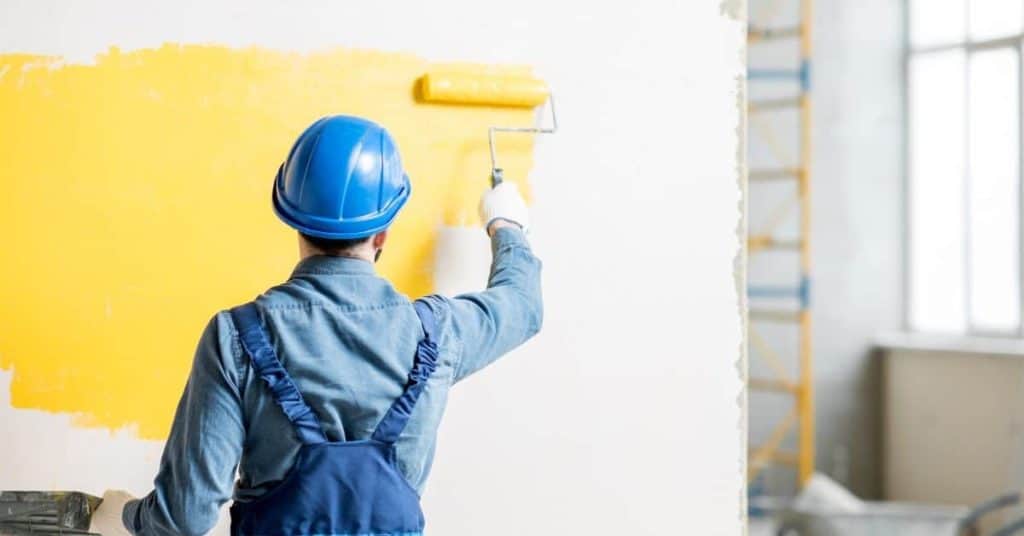
Worker painting interior wall yellow with roller

Painting Over Efflorescence: How to Stop Salts From Ruining Your Finish

Introduction Efflorescence is the white, powdery salt that can migrate to a wall surface when moisture moves through masonry. It can appear on painted or unpainted surfaces and can ruin a finish if not addressed. Before painting, you need to identify and clean it so the new coating can adhere. Identify efflorescence on walls and

Painting Over Efflorescence: How to Stop Salts From Ruining Your Finish Read More »

Close-up of weathered pink stucco wall showing texture variations

Backrolling After Spraying: When It Improves Adhesion and When It Ruins Texture

Introduction Backrolling after spraying is a technique where you roll over a sprayed coat to improve adhesion and texture control. It can help bond the coating to the surface and even out the texture, but overdoing it can ruin the finish. Always check the product label and manufacturer guidance, and test on a small area

Backrolling After Spraying: When It Improves Adhesion and When It Ruins Texture Read More »

paint roller applying white paint on textured wall

Alligatoring Paint: What It Means and When You Need to Strip

Introduction Alligatoring paint is a surface condition where the film cracks into finger-like ridges that resemble alligator skin. This happens when the old coating becomes brittle or loses adhesion to the substrate. The result is a rough, uneven finish that often signals it’s time to address the finish before repainting. Deciding whether to strip depends

Alligatoring Paint: What It Means and When You Need to Strip Read More »