Search Results for: moisture behind stucco

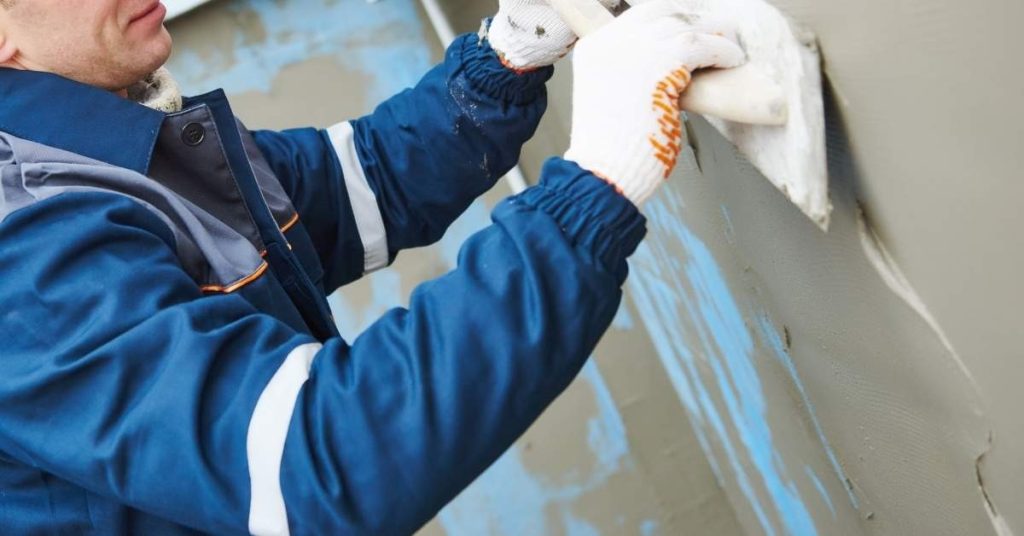
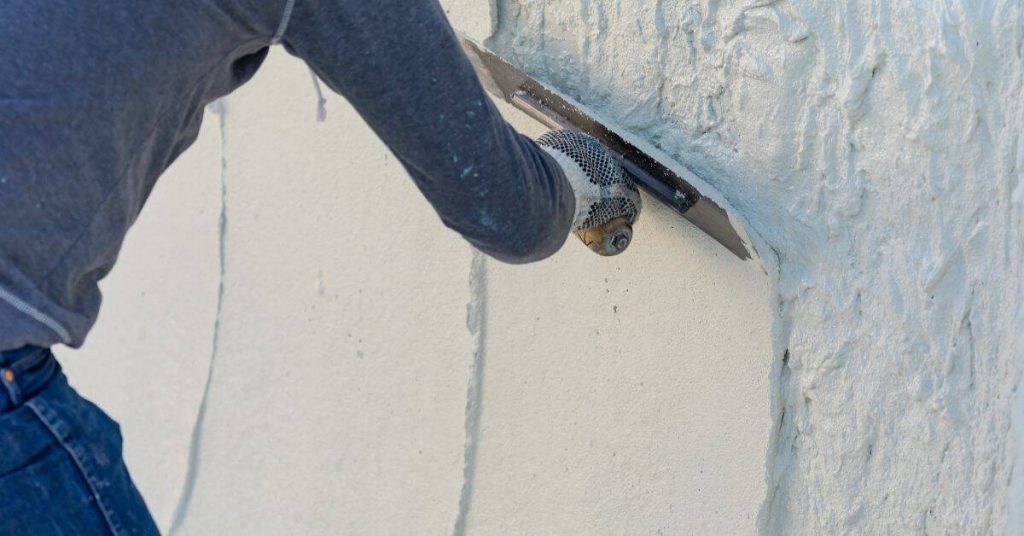
Person applying stucco texture on exterior wall

Running Exterior Cables on Stucco: Straps, Anchors, and Waterproof Penetrations

Introduction Running exterior cables on stucco involves securing the cable with appropriate straps or anchors and sealing any penetrations to keep moisture out. Do it with care, choosing hardware rated for outdoor use and compatible with stucco surfaces. Plan routes and clean the surface before mounting to avoid damage and ensure solid footing. Types of […]

Running Exterior Cables on Stucco: Straps, Anchors, and Waterproof Penetrations Read More »
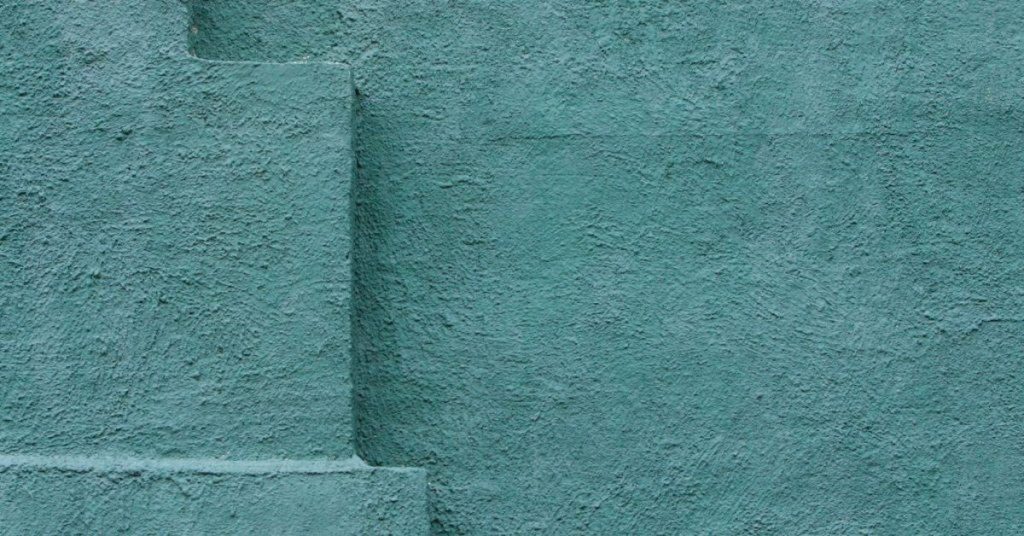
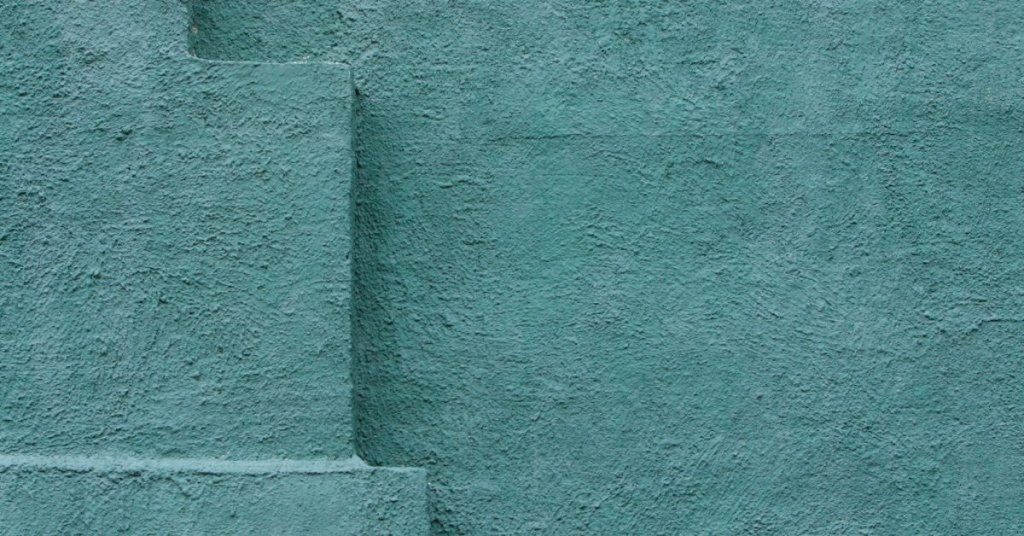
blue stucco wall with textured surface and corner detail

Stucco Around Hose Bibs: Repairing Cracked Sealant and Adding a Proper Sleeve

Introduction This article shows you how to repair cracked stucco around a hose bib and add a proper water sleeve when you replace the sealant. You’ll remove the old cracked sealant, inspect the bib, and install a sleeve before the new stucco and sealant go in. It’s a hands-on, practical repair you can tackle with

Stucco Around Hose Bibs: Repairing Cracked Sealant and Adding a Proper Sleeve Read More »

Person applying stucco plaster to wall with trowel

Stucco

Stucco Guides: Start Here This hub is for exterior render and stucco work—prep, lath and base coats, mixing, application technique, details, curing, and repairs. With stucco, most failures aren’t “bad mix.” They’re prep and detailing problems—bonding, moisture, and movement. Start with the basics first. Start here Identify what you have (systems matter) Moisture diagnostics (before

Stucco Read More »

Worker applying stucco to exterior wall wearing gloves and jacket

Stucco at Electrical Meter Bases and Service Conduits: Flashing Blocks, Sealant Joints, and Water Management

Introduction Flashing blocks, sealant joints, and water management around electrical meter bases and service conduits keep moisture from penetrating the wall. This is a hands-on task that combines proper flashing, sealant application, and grading to shed water away from the entry points. Get the basics right before you pull stucco or sealant and check product

Stucco at Electrical Meter Bases and Service Conduits: Flashing Blocks, Sealant Joints, and Water Management Read More »

Textured blue stucco wall with recessed section

Retrofitting Drainage Behind Barrier Stucco: What’s Realistic and What’s Wishful Thinking

Introduction Retrofitting drainage behind barrier stucco means creating a practical path for moisture to escape from behind the stucco without compromising the wall. Start with a careful visual check of the barrier, flashing, and any visible weep gaps, then plan based on your wall type and conditions. Always verify with manufacturer instructions and local rules

Retrofitting Drainage Behind Barrier Stucco: What’s Realistic and What’s Wishful Thinking Read More »

Weathered pink stucco wall with discoloration and patches

Stucco at Deck Ledger Boards: Integrating Flashing, Tape Membranes, and Drainage Space

Introduction This article explains how to install stucco around a deck ledger by using flashing, tape membranes, and a drainage space. It covers practical, hands-on steps you can take to keep water out and prevent damage. It keeps the process straightforward and doable for a DIY project. Check manufacturer instructions and local codes for flashing

Stucco at Deck Ledger Boards: Integrating Flashing, Tape Membranes, and Drainage Space Read More »

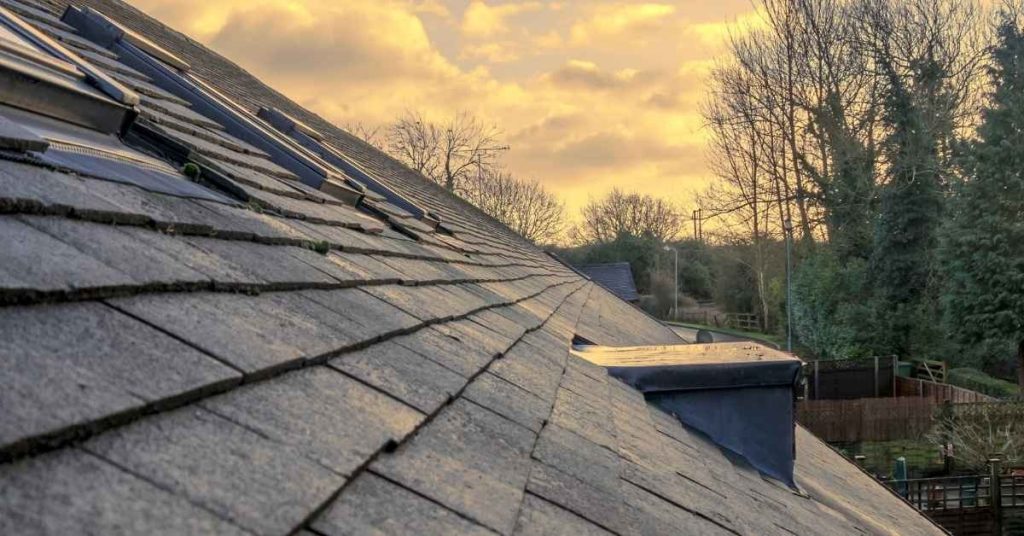
Slate roof with metal flashing under golden sky

Window Head Flashing Behind Stucco: Drip Caps, End Dams, and How to Stop Head Leaks

Introduction Window head flashing behind stucco is a weatherproofing detail that directs water at the top of the window away from the opening. It often relies on drip caps, end dams, and proper sealing to shed water behind the stucco rather than into the wall. When you’re working, look for gaps, torn flashing, or loose

Window Head Flashing Behind Stucco: Drip Caps, End Dams, and How to Stop Head Leaks Read More »

Weathered pink stucco wall with discoloration and patches

Acrylic Finish Coats (Synthetic Stucco): When They’re Appropriate and How to Avoid Plastic-Looking Patches

Introduction Acrylic finish coats are a synthetic stucco layer applied to exterior walls for a hard, weather-resistant surface. They’re appropriate when you want a durable, low-maintenance outer coat that can flex with shifting framing. Choose a system that matches your substrate and climate, and verify guidance from the manufacturer or local rules. The installation steps

Acrylic Finish Coats (Synthetic Stucco): When They’re Appropriate and How to Avoid Plastic-Looking Patches Read More »

Stucco wall with two boarded windows and one boarded door

Stucco Discoloration From Efflorescence vs Salts in Sand: Simple Tests and Fixes

Introduction Efflorescence is a white salt bloom that appears on stucco when moisture moves soluble salts to the surface. It can look like chalky powder and is often mistaken for new stains. But salts in the sand or mix can also discolor, and moisture is the common driver. To tell efflorescence from salts in the

Stucco Discoloration From Efflorescence vs Salts in Sand: Simple Tests and Fixes Read More »

white decorative plaster ceiling panels with geometric patterns

Stucco Delamination at Plywood Shear Panels: Why It Happens and How to Rebuild the Assembly

Introduction Stucco delamination at plywood shear panels occurs when the stucco separates from the plywood backing, usually due to moisture intrusion and substrate movement. That separation shows up as cracks, bubbling, or flaking, and it weakens the exterior assembly. It’s a hands-on issue you can diagnose by looking for soft spots, damp patches, or loose

Stucco Delamination at Plywood Shear Panels: Why It Happens and How to Rebuild the Assembly Read More »