Search Results for: micro cement sanding pads

Close-up of textured polished plaster wall surface

Sanding vs Burnishing Polished Plaster: Fixing Trowel Tracks Without Haze

Introduction Sanding and burnishing polished plaster is the process of smoothing and finishing the surface to remove trowel tracks and haze. This is done after the plaster has cured enough to work but while it’s still workable, using gentle abrasion and polish. The goal is a uniform, matte or soft sheen without gouges. Before you […]

Sanding vs Burnishing Polished Plaster: Fixing Trowel Tracks Without Haze Read More »
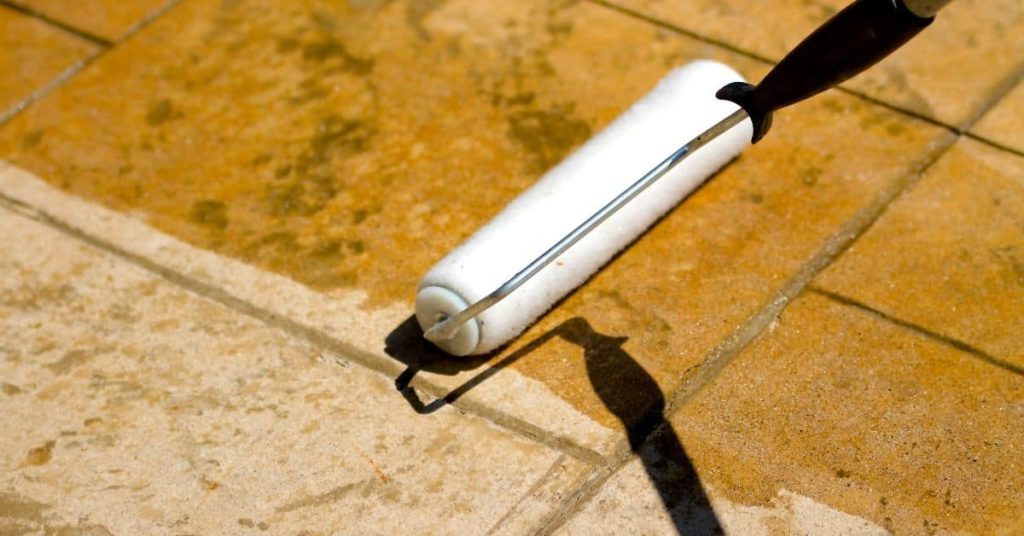
Paint roller applying sealer on outdoor concrete pavers

Microcement in Showers: Waterproofing Details, Failure Modes, and Safe Sealing

Introduction Microcement in showers is a cement-based coating that creates a continuous, waterproof surface over failure-prone areas. This article explains how to plan the work, coat the walls and floor, and spot potential trouble before sealing. Common waterproofing approaches in showers include membrane types you can install under microcement, but check compatibility with your product

Microcement in Showers: Waterproofing Details, Failure Modes, and Safe Sealing Read More »

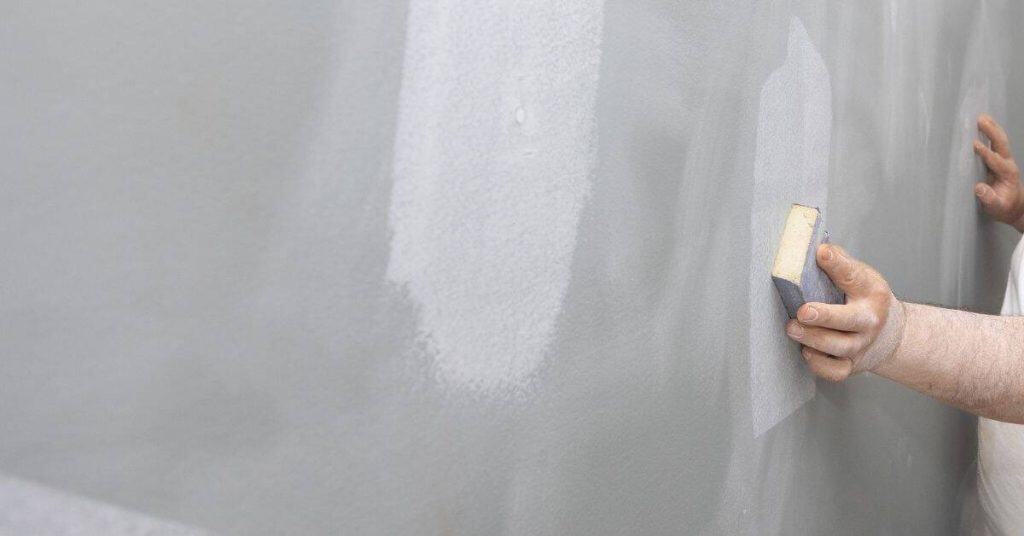
Hand sanding a plastered wall with sanding sponge

Sanding vs Polishing Plaster: Time-Consuming Steps & Duration Comparison

Introduction The time it takes to sand or polish plaster can vary greatly depending on the surface area, condition, and your chosen method. Before you start, understanding the timeline for each process will help you plan effectively. In this guide, we’ll compare the duration of sanding vs polishing plaster, breaking down each step’s time commitment

Sanding vs Polishing Plaster: Time-Consuming Steps & Duration Comparison Read More »

Diy: Pouring a Small Concrete Patio Pad — Forms, Mixes, Reinforcement, and Finishing

Diy: Pouring a Small Concrete Patio Pad — Forms, Mixes, Reinforcement, and Finishing

Introduction You can pour a small concrete patio pad yourself by handling forms, choosing a suitable concrete mix, adding reinforcement, and finishing cleanly. The guide walks through practical guidance on planning, material choices, reinforcement placement, pour technique, and finishing details to help you achieve a durable, level surface. Related: How Much Weight Can a 2×6

Diy: Pouring a Small Concrete Patio Pad — Forms, Mixes, Reinforcement, and Finishing Read More »

Wet-Sanding Counters Without Clouds of Dust

Wet-Sanding Counters Without Clouds of Dust

Table of Contents When to choose wet-sanding vs dry-sanding Tools and materials checklist Workspace setup and containment to minimize dust spread Surface preparation and repairs before wet-sanding Step-by-step wet-sanding technique Polishing and buffing for a streak-free finish Cleanup, drying, and post-project inspection Safety, health risks, and PPE (explicit guidance) Wastewater, environmental handling, and legal considerations

Wet-Sanding Counters Without Clouds of Dust Read More »

Microtopping Prep on Polished Surfaces Scratch Profile You Need

Microtopping Prep on Polished Surfaces: Scratch Profile You Need

Table of Contents Introduction Understanding Concrete Hardness Coating Requirements for Microtopping Time Efficiency in Surface Preparation Versatility of Tools and Equipment Proper Surface Preparation and Cleaning Safety Precautions in Microtopping Application Cost Analysis of Tools and Materials Knowing When to Call in the Pros for Microtopping Common Mistakes and How to Avoid Them Environmental Considerations

Microtopping Prep on Polished Surfaces: Scratch Profile You Need Read More »

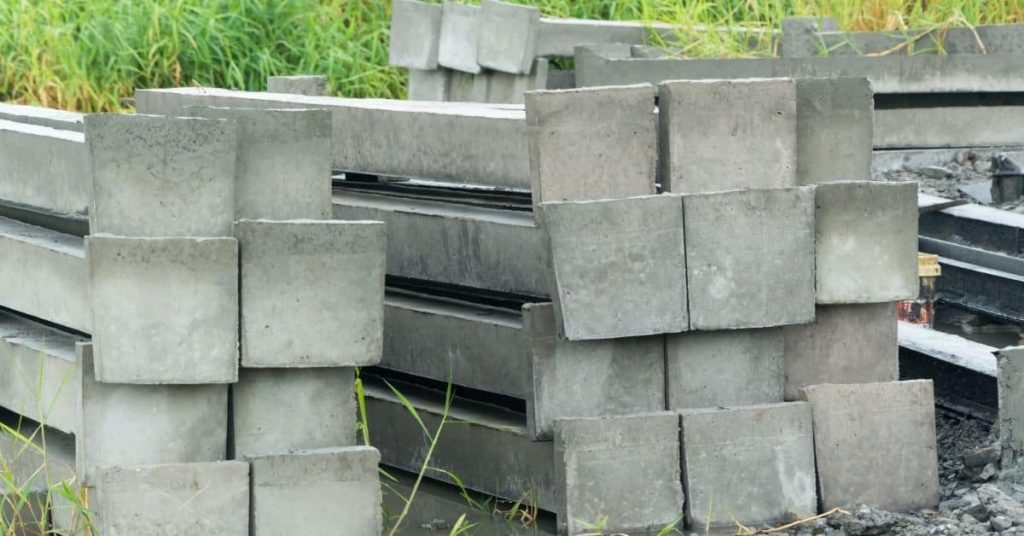
Stacked precast concrete columns outdoors on grass

Choosing a concrete form-release agent: what stains, what doesn’t, and how to apply evenly

Introduction A concrete form-release agent is a coating applied to forms to prevent concrete from sticking. Common types include liquid sprays or pours and powder blends, and the right choice depends on the form material, project size, and local guidance. Apply evenly according to the product instructions and consider timing to avoid gaps or buildup.

Choosing a concrete form-release agent: what stains, what doesn’t, and how to apply evenly Read More »

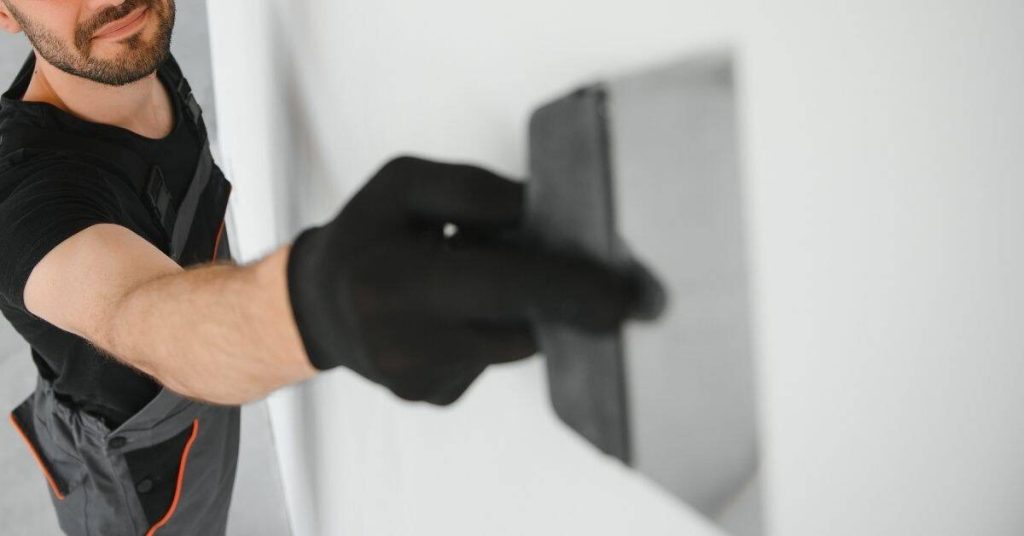
Plaster worker smoothing wall with trowel wearing black glove

Common rookie plaster mistakes: overwatering, overworking, and chasing perfection too soon

Introduction Rookie plaster mistakes are doing too much water, overworking the mix, and chasing a perfect finish before it’s ready. These habits can cause cracks, shrinkage, and a surface that won’t hold paint. Take a steady, practical approach: mix only what you need, apply in damp coats, and let each layer set. During a shifting

Common rookie plaster mistakes: overwatering, overworking, and chasing perfection too soon Read More »

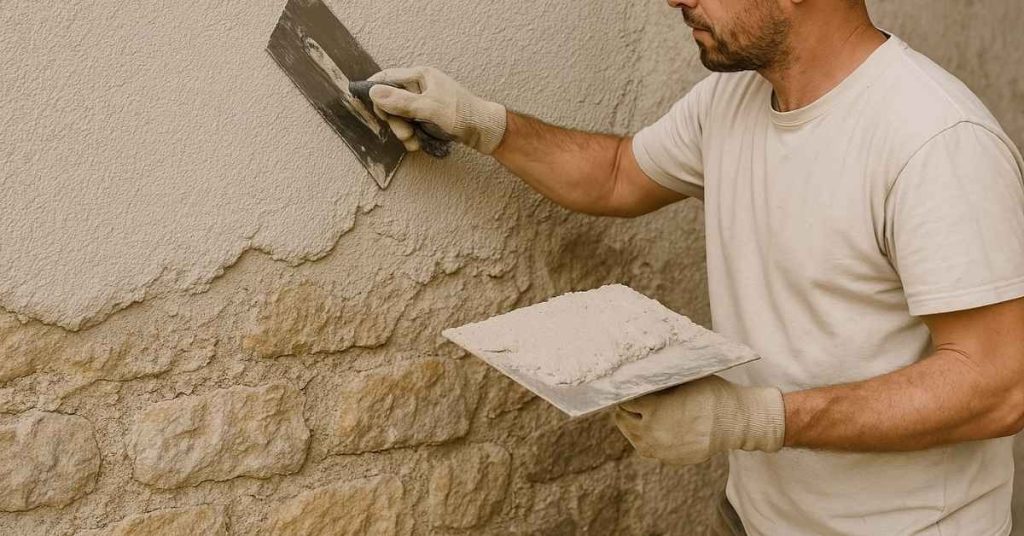
Person applying clay plaster over rough stone wall

Living with clay plaster in wet rooms: daily use, splash zones, and long-term touch-ups

Introduction Clay plaster in wet rooms is a breathable natural coating that helps manage moisture while providing a warm, tactile surface. In daily use, expect a soft, matte finish that can tolerate routine cleaning and occasional splashes. The material relies on proper backing and sealing in splash zones to perform well over time. Long-term upkeep

Living with clay plaster in wet rooms: daily use, splash zones, and long-term touch-ups Read More »

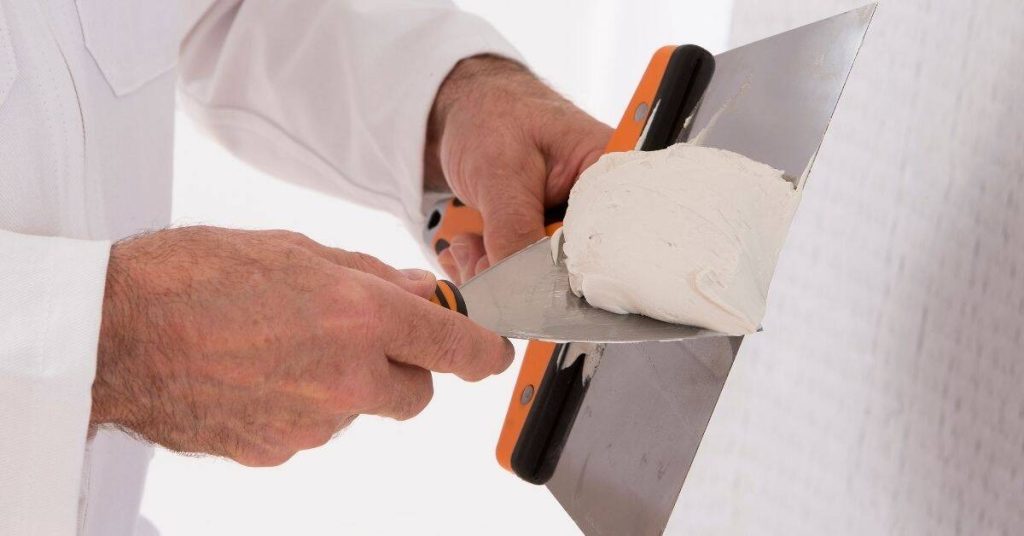
Hands applying white plaster to a trowel

Venetian plaster finish basics: burnish stages and fixing drag marks and chatter

Introduction Venetian plaster finish basics explain how burnish stages create depth and how to manage drag marks and chatter during application. This guide walks through practical steps you can take when applying the plaster on walls or ceilings. It focuses on technique over theory, with plain language and real‑world checks. You’ll learn how the burnish

Venetian plaster finish basics: burnish stages and fixing drag marks and chatter Read More »