Search Results for: match texture plaster

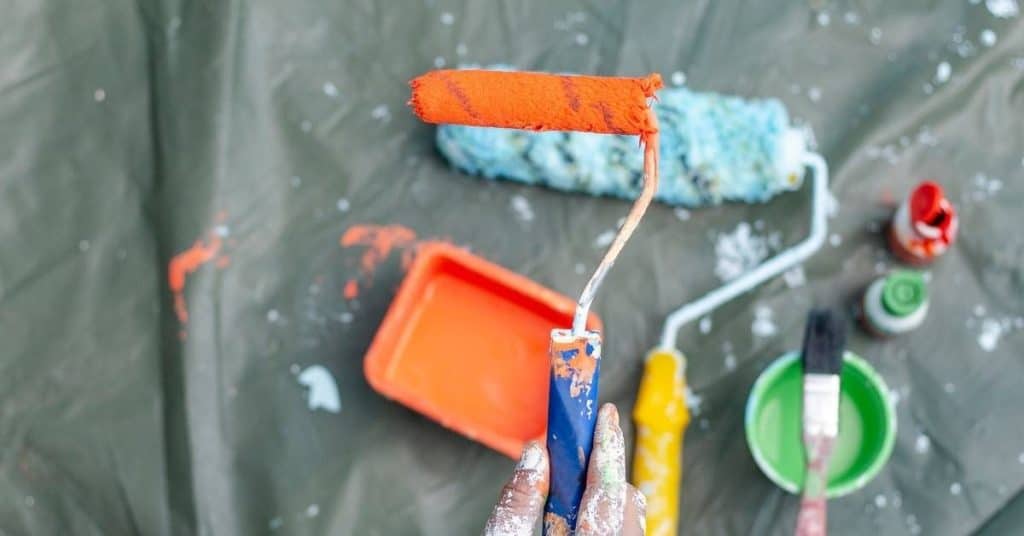
Hand holding paint roller with orange paint over plastic drop cloth

Special-Effect Paint Rollers: 9 Finishes, How They’re Done, and When They Fail

Introduction Special-effect paint rollers create textured or patterned finishes on walls using unique roller covers. They work with ordinary paint and standard tools, but the roller design dictates the look. This introduction covers the main types, how to apply them, and common failure points to watch for. Types include swirls, stipple-like textures, comb patterns, and […]

Special-Effect Paint Rollers: 9 Finishes, How They’re Done, and When They Fail Read More »

Person painting interior wall with roller near ceiling

Interior Paint Prep: 10 Simple Steps for Better Adhesion and Fewer Flaws

Introduction Interior paint prep means getting walls and nearby surfaces ready so paint sticks well and dries smooth. Start by clearing the room or work area and removing obstacles that block access to the walls. Then inspect for damage, peeling paint, or rough patches and plan any small fixes before you begin. Choose simple tools

Interior Paint Prep: 10 Simple Steps for Better Adhesion and Fewer Flaws Read More »

Open paint cans with various colors on wooden surface

Uneven Coverage With Dark Colors: Undercoats and Recoat Strategy

Introduction Uneven coverage with dark colors happens when undercoats and topcoats don’t lay down evenly, leaving visible patches and color shifts. That’s usually tied to how you prep, prime, and apply the coats. A careful, consistent plan helps you avoid mottling and streaks on the final finish. Start by choosing a primer and undercoat strategy

Uneven Coverage With Dark Colors: Undercoats and Recoat Strategy Read More »

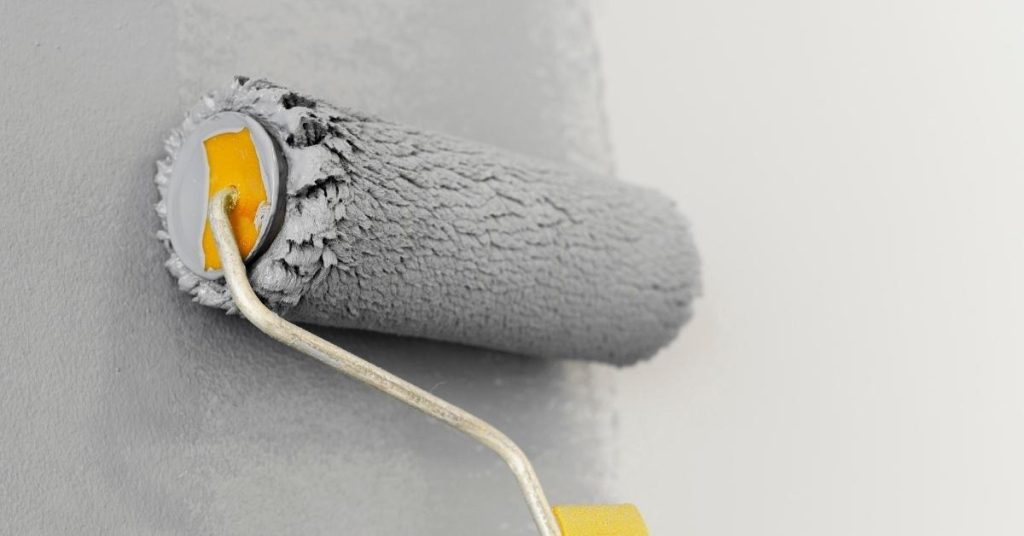
Paint roller applying gray paint on white wall

Roller Stipple Problems: How to Get Smoother Walls Without Spraying

Introduction Roller stippling is a technique that creates a textured, stippled wall by rolling on paint with a stippling roller. This intro helps you spot common issues and set up for a smoother finish without spraying. Keep in mind technique and paint consistency matter, not big machinery. Choose a roller with a suitable nap and

Roller Stipple Problems: How to Get Smoother Walls Without Spraying Read More »

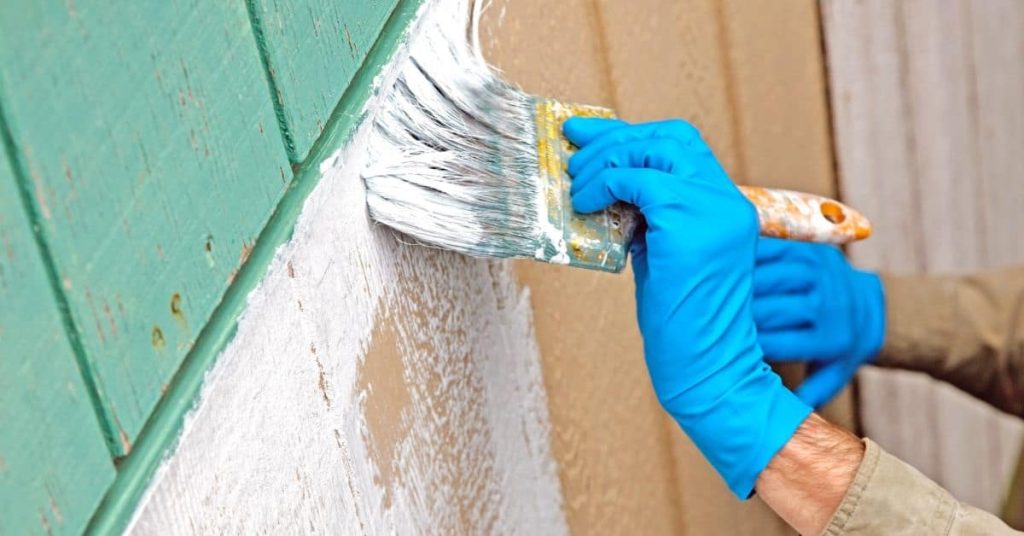
Person wearing blue gloves applying white primer with paintbrush

Primer vs Sealer vs Undercoat: What Each One Actually Does

Introduction Primer, sealer, and undercoat are coatings that prepare surfaces for paint by sealing, bonding, and smoothing. Primer helps the paint stick, sealer blocks stains and moisture, and undercoat provides a base layer that evens texture. Check product labels for the exact job they claim to do. Use them in sequence when you’re dealing with

Primer vs Sealer vs Undercoat: What Each One Actually Does Read More »

Close-up of horizontal lap siding painted beige

Paint Telegraphing: Why Old Repairs Show Through and How to Hide Them

Introduction Paint telegraphing is the visible outline or pattern of old repairs showing through fresh paint. It happens when the underlying repairs or textures are different from the surrounding wall. In this article we’ll cover why it happens and how to reduce or hide it during a DIY repaint. Causes include uneven patches, old joint

Paint Telegraphing: Why Old Repairs Show Through and How to Hide Them Read More »

Unfolded aluminum ladder, paint bucket, and white painted room

Paint Sheen Selection by Room: Practical Rules That Prevent Regret

Introduction Paint sheen selection by room means picking the finish level for your walls based on how the space will be used. Key takeaways Choose sheen by room use to balance appearance, durability, and maintenance. Test samples on actual surfaces to judge light, texture, and mood. Consider prep, surface porosity, and recommended primers before applying

Paint Sheen Selection by Room: Practical Rules That Prevent Regret Read More »

Person sanding drywall with power sander

Paint Sheen Flashing on Drywall: Controlling Porosity Before Finish Coats

Introduction Paint sheen flashing on drywall is the uneven absorbency you see when the wall soaks in primer or finish at different rates. It’s caused by porosity differences in the surface that show up as uneven sheen after the first coat. To address it, look for high-porosity spots and use a compatible primer to even

Paint Sheen Flashing on Drywall: Controlling Porosity Before Finish Coats Read More »