Search Results for: match texture plaster

Slate roof with metal flashing at roof-to-wall joint

Stucco Around Roof-to-Wall Kickout Flashing: Fixing the Most Common Leak Detail

Introduction Stucco around roof-to-wall kickout flashing is the detail where the siding meets the roof and the flashing diverts water away from the wall; fixing it means making sure the flashing, substrate, and stucco meet cleanly so water can’t get behind the finish. This is a hands-on job that usually involves removing a bit of […]

Stucco Around Roof-to-Wall Kickout Flashing: Fixing the Most Common Leak Detail Read More »
Paint roller applying gray paint on white wall

Distressing Paint the Right Way: A Weekend Project Timeline

Introduction Transforming furniture with distressed paint doesn’t have to be a lengthy process. With the right plan and techniques, you can achieve a beautiful, lived-in look in just a couple of weekend sessions. In this guide, we’ll break down the distressing paint process into manageable steps, focusing on the timeline so you can complete your

Distressing Paint the Right Way: A Weekend Project Timeline Read More »

Person painting white edge of wooden board with brush

Painter’s Tape Alternatives: Liquid Mask & Edge Sealers – Step-by-Step Timeline

Introduction Tackling a DIY painting project? Understanding the timeline for painter’s tape alternatives like liquid mask and edge sealers can save you time and ensure crisp, professional-looking results. Here’s a step-by-step guide to help you plan your project efficiently. Whether you’re working on tight corners, porous surfaces, or delicate finishes, these alternatives offer a softer

Painter’s Tape Alternatives: Liquid Mask & Edge Sealers – Step-by-Step Timeline Read More »

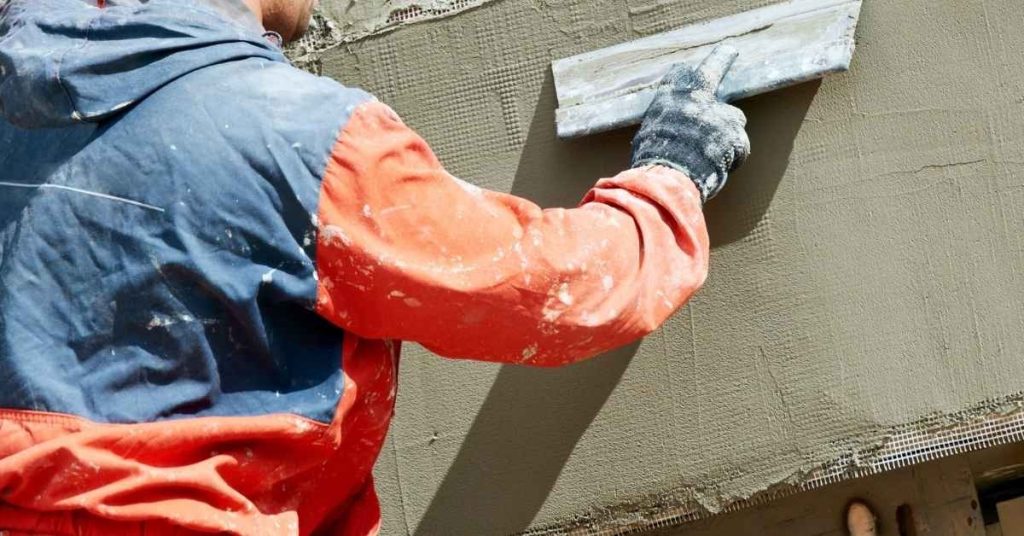
hand with glove smoothing wet plaster on wall with trowel

How to Create a Zero-Lap-Mark Wall: Timing Your Sections for a True Wet Edge

Introduction The key to achieving a seamless, zero-lap-mark wall lies in meticulous timing and coordination. Every minute counts when you’re working with wet materials, so understanding the timeline is crucial. In this guide, we’ll break down the process into manageable timeframes, helping you plan your sections effectively and maintain that all-important true wet edge. For

How to Create a Zero-Lap-Mark Wall: Timing Your Sections for a True Wet Edge Read More »

Two construction workers applying stucco to exterior wall

Dash Finish Stucco Repair: Getting Consistent Throw Without Overbuilding Thickness

Introduction Dash finish stucco repair means rethrowing a coarse mix so it keys to the patch without building the wall thickness beyond the original surface. Think of it as matching texture by controlling how far and thick each throw lands rather than piling on extra material. Check product labels and local practices for compatible scratch/base

Dash Finish Stucco Repair: Getting Consistent Throw Without Overbuilding Thickness Read More »

Worker smoothing fresh stucco on wall with trowel

Using Acrylic-Modified Stucco for Patches: Where It’s Smart and Where It Causes Issues

Introduction Acrylic-modified stucco is a cement-lime stucco mix blended with acrylic polymers to improve adhesion and flexibility for patching and thin coats. In plain jobsite terms, it sticks better to sound substrates and tolerates slight movement more than plain cement stucco, but check the product label and manufacturer instructions for proper uses and mixing. Use

Using Acrylic-Modified Stucco for Patches: Where It’s Smart and Where It Causes Issues Read More »

Worker applying stucco to block wall near windows covered in blue plastic

Mixing Stucco for Repairs: Sand Gradation, Lime Content, and Workability Tips

Introduction Mixing stucco for repairs means blending cement, sand, and lime to get a durable, workable patch that matches the existing surface. Use sand graded for stucco (check the product label or supplier gradation), add lime for flexibility per manufacturer guidance, and adjust water until the mix holds shape without slumping. Aim for a consistency

Mixing Stucco for Repairs: Sand Gradation, Lime Content, and Workability Tips Read More »

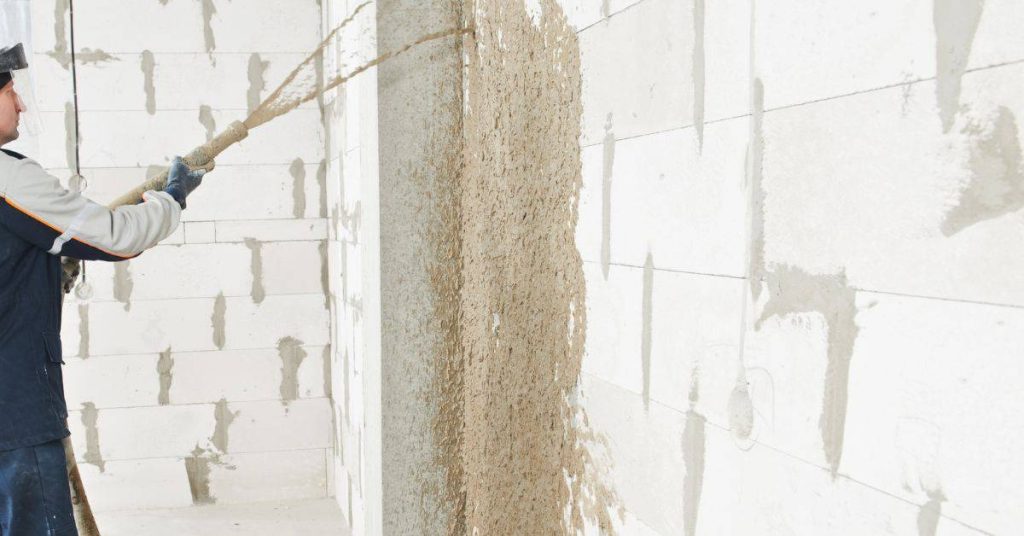
Worker spraying stucco onto concrete block wall

Stucco Over CMU Block: Bonding Agents, Scratch Keys, and Crack Control

Introduction Stucco over CMU block is a thin cement-based finish applied over masonry that needs a good bond, a proper scratch key, and planned crack control to last. Bonding agents, scratch coats, and reinforcement help the stucco grip the block and manage movement, but check product labels and local rules for compatibility and required curing

Stucco Over CMU Block: Bonding Agents, Scratch Keys, and Crack Control Read More »

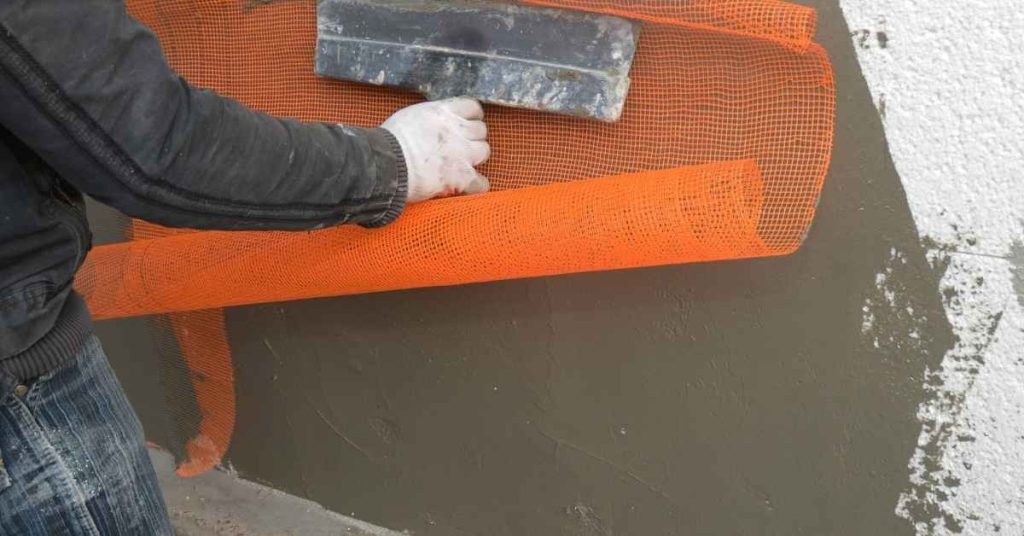
Worker applying orange mesh onto wet stucco on wall

Stucco Over ICF Walls: A Step-by-Step Timeline for Successful Application

Introduction The process of applying stucco over insulated concrete form (ICF) walls involves several stages that require careful planning and timing. Understanding the timeline is crucial to ensure a successful outcome. In this guide, we’ll break down the process into manageable steps, outlining how long each stage takes, so you can plan your project effectively.

Stucco Over ICF Walls: A Step-by-Step Timeline for Successful Application Read More »

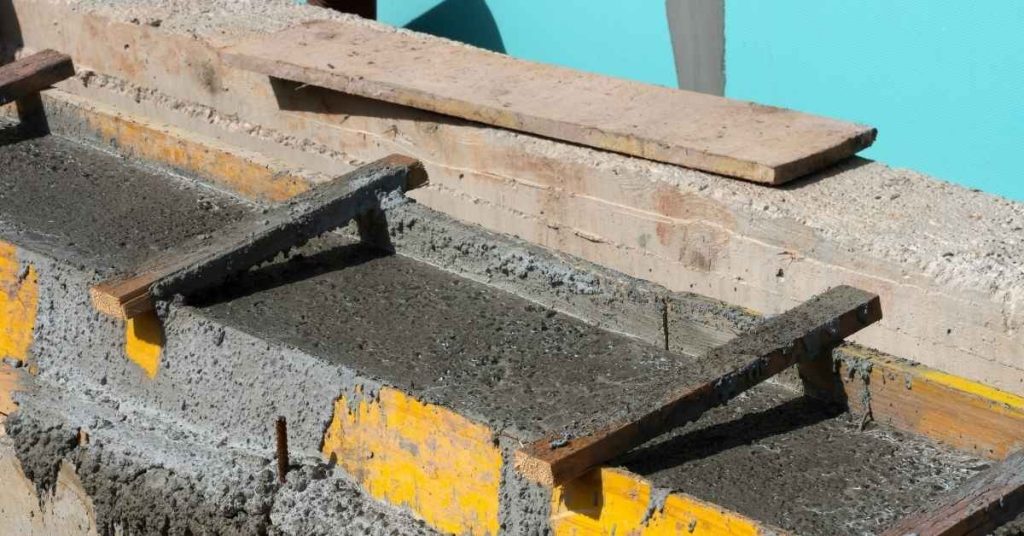
Fresh concrete pour in wooden formwork on vertical surface

Concrete Honeycomb Repair on Vertical Surfaces: Dry-Pack vs Form-and-Pour Decision Guide

Introduction Dry-pack and form-and-pour are two ways to repair honeycomb on vertical concrete surfaces. This guide helps you choose based on the damage, access, and field conditions you’ll face on site. Think of it as a practical decision, not a textbook rulebook. Dry-pack repairs are quick and grab the wall with minimal equipment, but they

Concrete Honeycomb Repair on Vertical Surfaces: Dry-Pack vs Form-and-Pour Decision Guide Read More »