Search Results for: match texture plaster

Close-up of dusty white plaster wall texture

Priming Dusty Plaster: Sealing chalky walls so paint actually bonds

Introduction Priming dusty plaster means applying a compatible primer to seal chalky surfaces so paint can properly adhere. This helps the surface hold onto new paint and reduces peeling. Check the primer label for suitability with plaster and ensure the wall is clean and dust-free before applying. If in doubt, consult the product instructions and […]

Priming Dusty Plaster: Sealing chalky walls so paint actually bonds Read More »

Smooth white plastered ceiling with single hanging light bulb

Blistering Plaster Finish Coats: Causes and a cleaner re-skim approach

Introduction Blistering plaster finish coats are finish layers that lift or bubble because moisture or poor adhesion gets trapped under the surface. In DIY work, heat, humidity, or applying a coat too thick can start blisters. A cleaner re-skim approach means removing the loose skin and reflowing the coat while following the product’s instructions. Begin

Blistering Plaster Finish Coats: Causes and a cleaner re-skim approach Read More »

Worker smoothing plaster on wall with trowel

High-Suction Walls: Preventing plaster from flash-drying and tearing

Introduction High-suction walls pull moisture out of plaster too quickly, causing flash-drying and tearing. To work effectively, you need to control the wall’s thirst and pace your plastering. Keep the work steady and watch the surface for signs of fast drying. Control the suction by misting the wall lightly or using a wet bonding step

High-Suction Walls: Preventing plaster from flash-drying and tearing Read More »

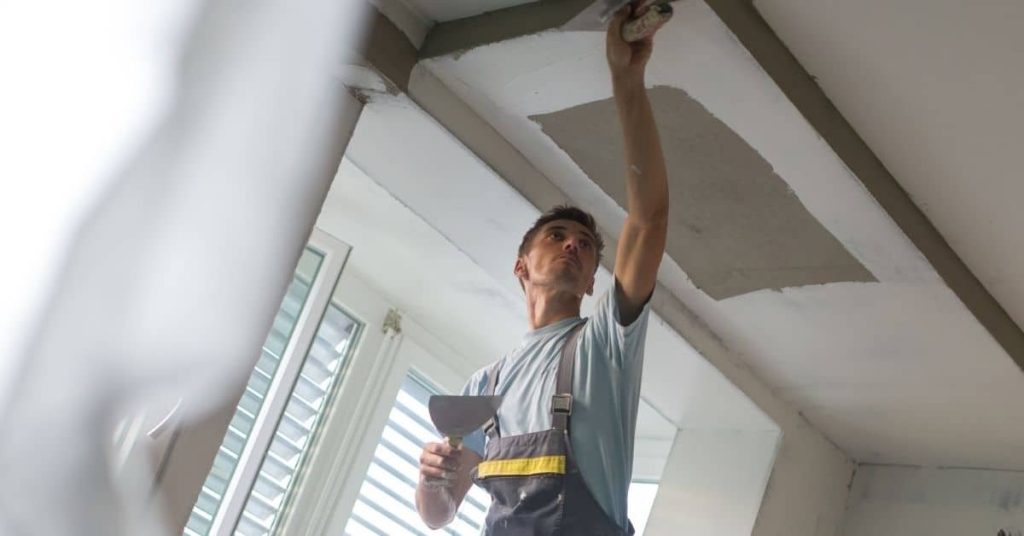
Man patching interior wall with plaster using putty knife

Patching Lime Plaster: Blending repairs without a color mismatch

Introduction Patching lime plaster is the process of repairing damaged areas so the new work matches the old finish. Work with lime plaster that matches the existing mix and color, and test color while it’s still workable to avoid a mismatch. Use feathered, gradual transitions and don’t overfill; the goal is a seamless repair. Prepare

Patching Lime Plaster: Blending repairs without a color mismatch Read More »

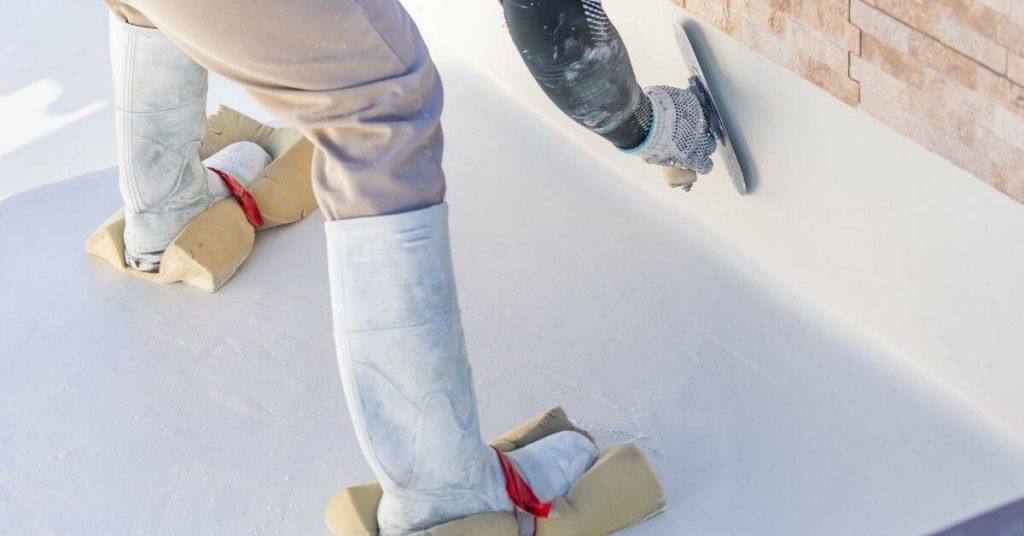
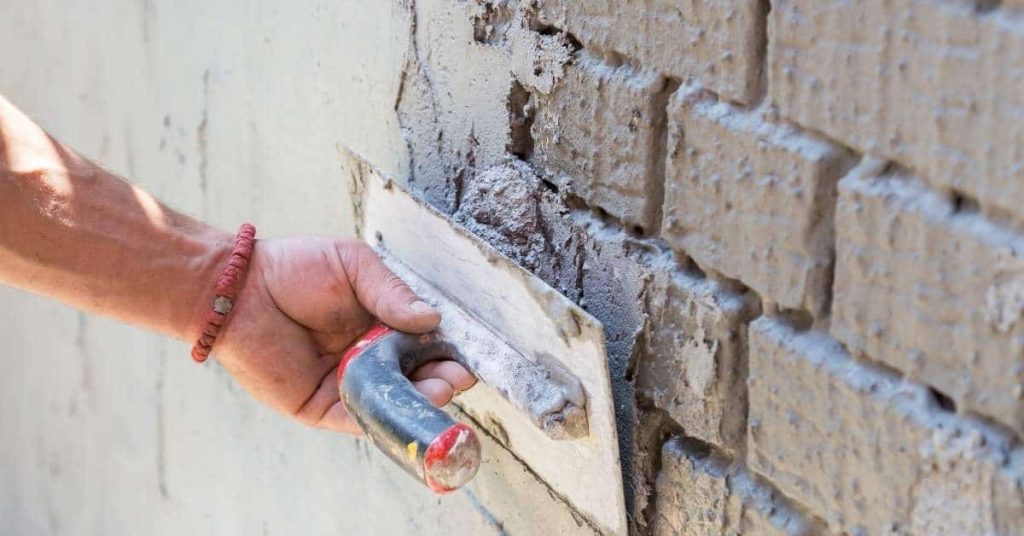
Hand applying plaster to brick wall with trowel

Sealing Lime Plaster: Protection options that still let walls breathe

Introduction Sealing lime plaster means applying a breathable coating that protects the wall without stopping moisture. Choose sealers or finishes that are specifically marked breathable and lime-plaster compatible. Test a small patch first and check the product label for indications of breathability and surface compatibility. Prepare and clean the wall, then apply in thin, even

Sealing Lime Plaster: Protection options that still let walls breathe Read More »

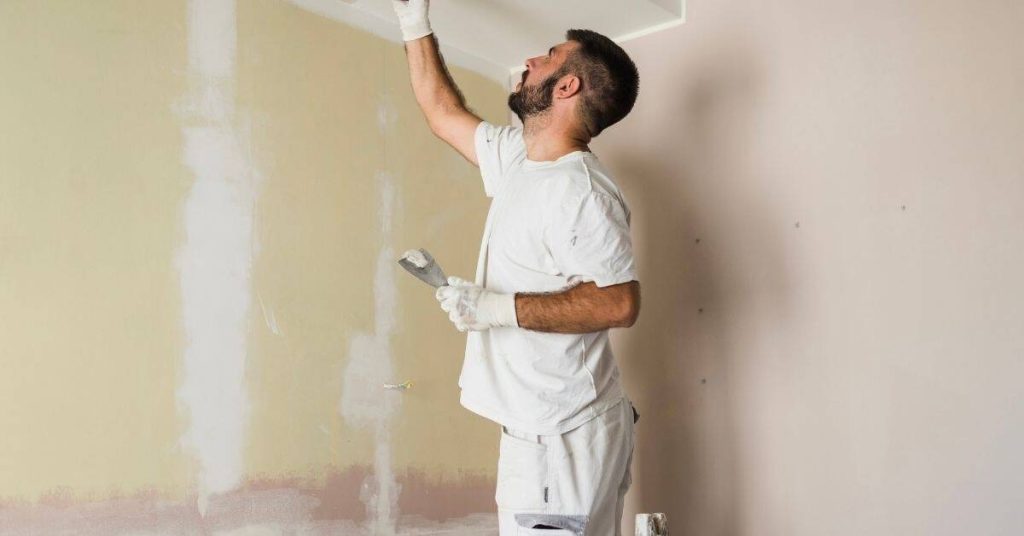
Hands applying plaster to wall with trowel and knife

Dark Trowel Lines in Polished Plaster: Why they appear and how to fix them

Introduction Dark trowel lines in polished plaster are color variations that show up where the finish was pushed or pulled during leveling. They happen when moisture movement, air pockets, or inconsistent setup affect pigment distribution. Keep in mind this is common in DIY work and can be corrected with careful technique. To fix them, work

Dark Trowel Lines in Polished Plaster: Why they appear and how to fix them Read More »