Search Results for: large hole repair kit drywall

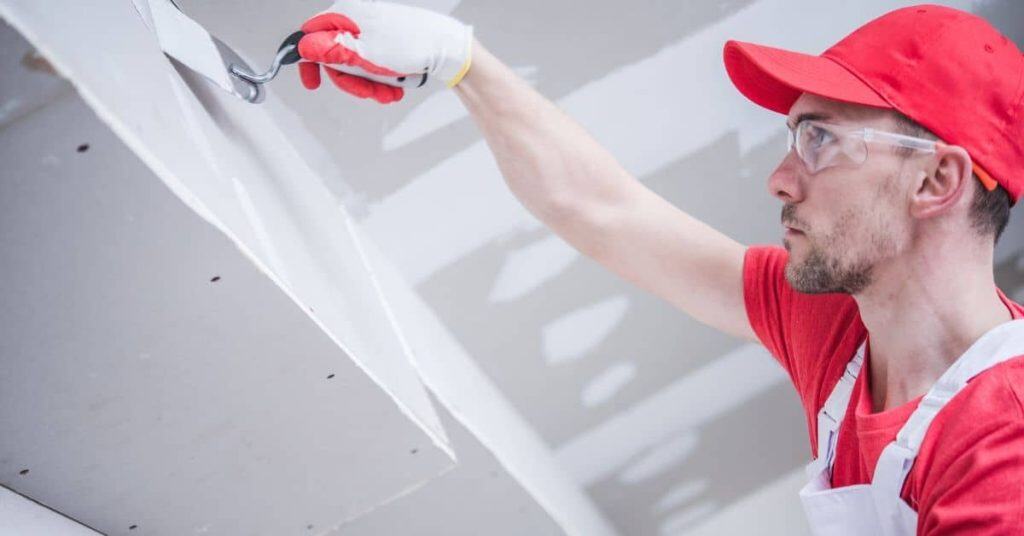
Worker installing drywall ceiling panel with cordless drill

Ceiling Drywall Without a Lift: Panel Control Tricks, Temporary Bracing, and Safer Cutting Sequences

Introduction Ceiling drywall without a lift means using hand techniques, temporary bracing, and smart cutting sequences to hold and fasten panels safely when you don’t have mechanical help. This is about controlling the panel, supporting it temporarily, and cutting in the right order so you don’t fight sag or drop a sheet. Think like a […]
Ceiling Drywall Without a Lift: Panel Control Tricks, Temporary Bracing, and Safer Cutting Sequences Read More »

Man applying joint compound to drywall ceiling corners

Finishing Drywall Around Recessed Lights: Avoiding Rings, Cracks, and Shadowing

Introduction Finishing drywall around recessed lights means taping, mudding, and sanding careful edges so the lights sit cleanly in the ceiling. The goal is to avoid visible rings, hairline cracks, and shadow lines when the light is on. Check the fixture details and follow any manufacturer or local guidance rather than guessing. Feather the mud

Finishing Drywall Around Recessed Lights: Avoiding Rings, Cracks, and Shadowing Read More »

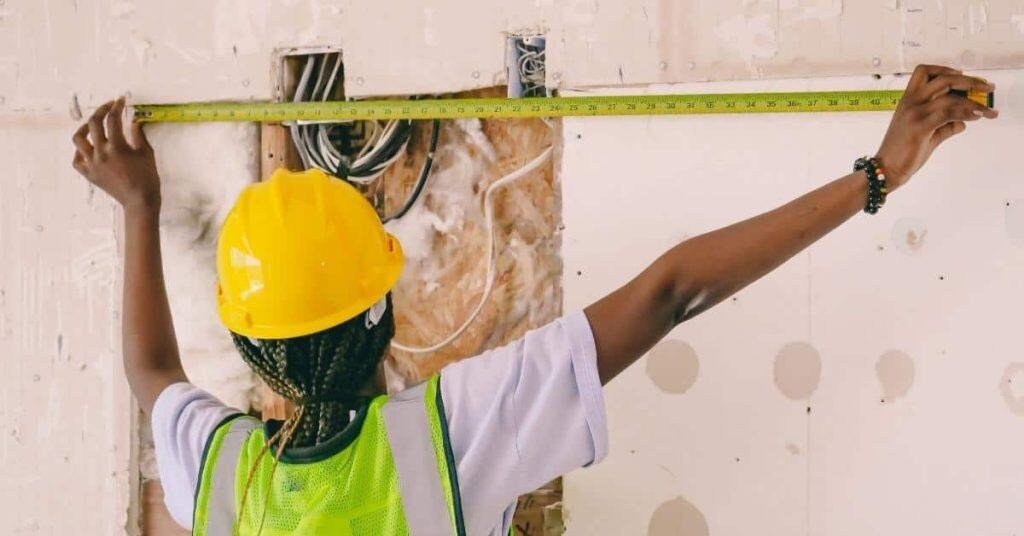
Worker measuring drywall with tape measure on wall

Drywall Fasteners Over Steel Studs: Screw Types, Spacing, and Stripping Avoidance

Introduction Drywall fasteners over steel studs are screws used to attach drywall to metal framing. They’re the fasteners you drive with a screwdriver or drill to secure gypsum to metal studs. Follow the screw manufacturer instructions and local rules for type and installation, and check the packaging label for compatibility with steel studs. To avoid

Drywall Fasteners Over Steel Studs: Screw Types, Spacing, and Stripping Avoidance Read More »

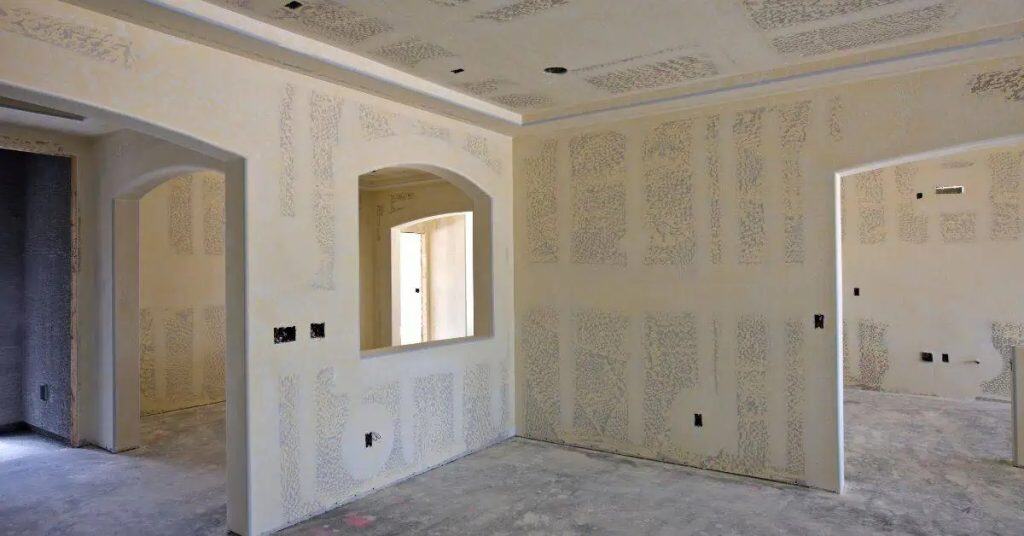
Drywall panels with taped and mudded joints in unfinished room

How to Repair a Damaged Drywall Vapor Barrier/Poly Behind the Wall (When It Matters)

Introduction Repairing a damaged drywall vapor barrier behind the wall means fixing the moisture barrier layer in the wall cavity to control condensation and potential mold. This is a hands-on job you can do with basic tools, but you need to confirm the barrier’s location and condition. Check the wall area for moisture signs and

How to Repair a Damaged Drywall Vapor Barrier/Poly Behind the Wall (When It Matters) Read More »

Interior room with drywall patches and joint compound

How to Patch Drywall After Removing Tile Backsplash (Old Mastic, Tears, and Skim Strategy)

Introduction Patching drywall after removing a tile backsplash involves repairing damaged drywall, smoothing feathered seams, and re-skimming the surface so it’s ready to paint. You’ll want to address old mastic footprints, tears, and any ridges or gouges left behind. Check for water stains or loose paint and plan repairs accordingly before you proceed. Start by

How to Patch Drywall After Removing Tile Backsplash (Old Mastic, Tears, and Skim Strategy) Read More »

Interior walls with unfinished drywall and visible joint compound

How to Finish Drywall Over OSB/Sheathing Interior Walls (Adhesion and Joint Strategy)

Introduction Finishing drywall over OSB means applying drywall to bare OSB sheathing with proper bonding, taping, and joint methods. Before you start, confirm the OSB is clean, dry, and reasonably flat and plan how you’ll attach the drywall. This approach centers on solid adhesion and clean joints without compromising the panel. Use the methods and

How to Finish Drywall Over OSB/Sheathing Interior Walls (Adhesion and Joint Strategy) Read More »

Close-up of blue fiberglass mesh rolls

Paperless Drywall (Fiberglass-Faced): Where It Helps, How to Finish It, and Common Pitfalls

Introduction Paperless drywall with fiberglass facing is a gypsum board that uses a fiberglass mat instead of paper on the surface. It’s designed to resist moisture and mold better in damp spaces, though it still needs proper installation and sealing. This article covers where it helps, how to finish it, and common pitfalls. When finishing,

Paperless Drywall (Fiberglass-Faced): Where It Helps, How to Finish It, and Common Pitfalls Read More »

Close-up of white decorative plaster medallion with damage

Repairing Decorative Plaster Medallions: Making Silicone Molds for Missing Details

Introduction This article explains how to make silicone molds for missing details on decorative plaster medallions. It keeps the process practical and DIY-friendly. You’ll need to assess the piece, gather safe materials, and follow manufacturer instructions for any mold-making products. You’ll outline the plan, measure rough symmetry, and prepare a clean work area. Work slowly,

Repairing Decorative Plaster Medallions: Making Silicone Molds for Missing Details Read More »

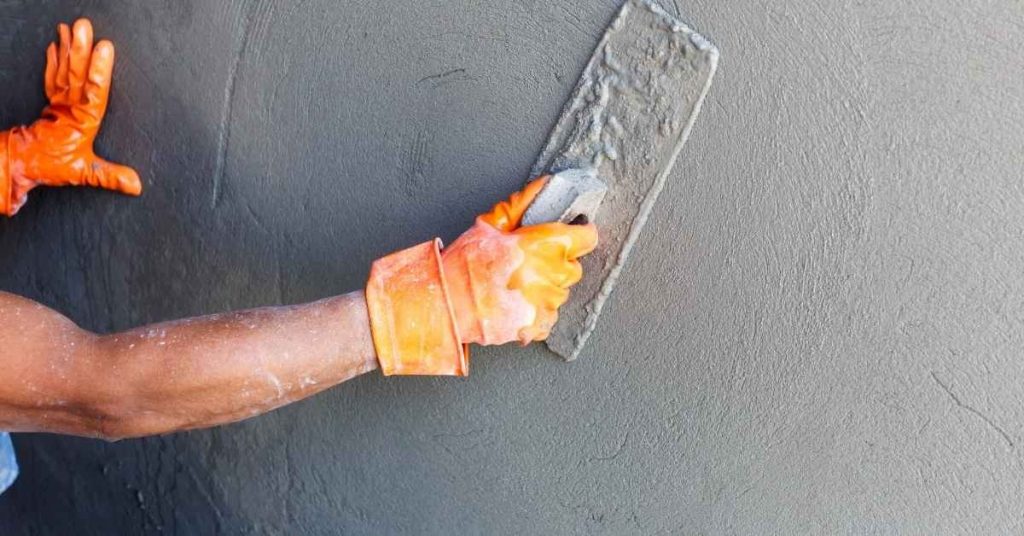
Person applying plaster on wall with trowel wearing orange gloves

Drywall Texture Matching: Orange Peel vs. Knockdown vs. Skip Trowel (DIY Spray vs. Hand)

Introduction Drywall texture matching is the process of reproducing a wall’s texture so new work blends with the old. It covers orange peel, knockdown, and skip trowel textures, whether you spray or hand‑apply. You’ll decide based on what you’re trying to reproduce and what tools you have on hand. Start by inspecting the existing surface

Drywall Texture Matching: Orange Peel vs. Knockdown vs. Skip Trowel (DIY Spray vs. Hand) Read More »