Search Results for: joint sealant for concrete

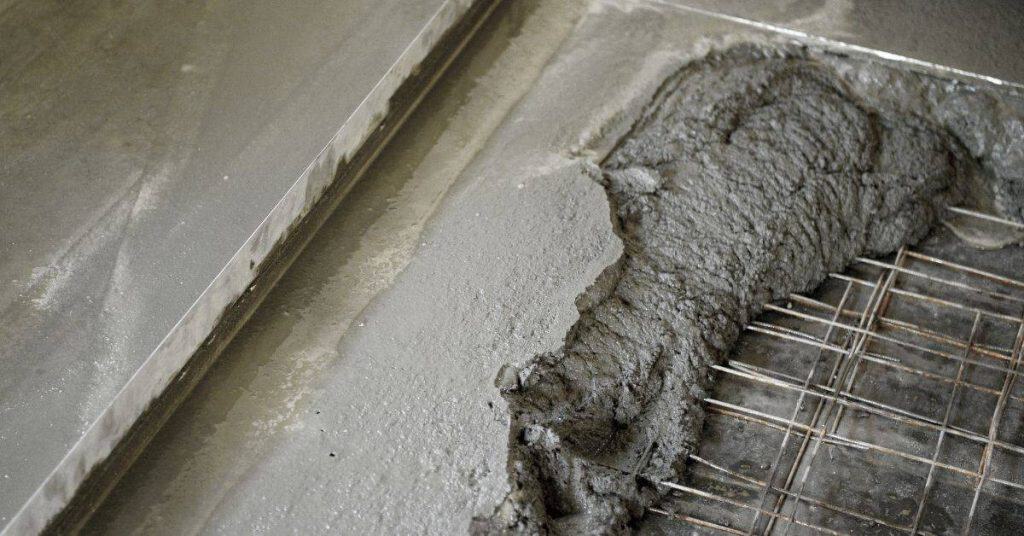
Close-up of concrete slab surface with pitting and rough texture

Concrete Resurfacing That Lasts: Surface Prep and Bonding Rules

Introduction Resurfacing concrete means applying a new layer to the top of an existing slab to refresh its look and functionality. If the slab has deep spalling, wide cracks, or structural problems, you may need replacement instead of a surface coat. Check with a contractor or local guidelines to confirm what your situation needs. Then, […]

Concrete Resurfacing That Lasts: Surface Prep and Bonding Rules Read More »
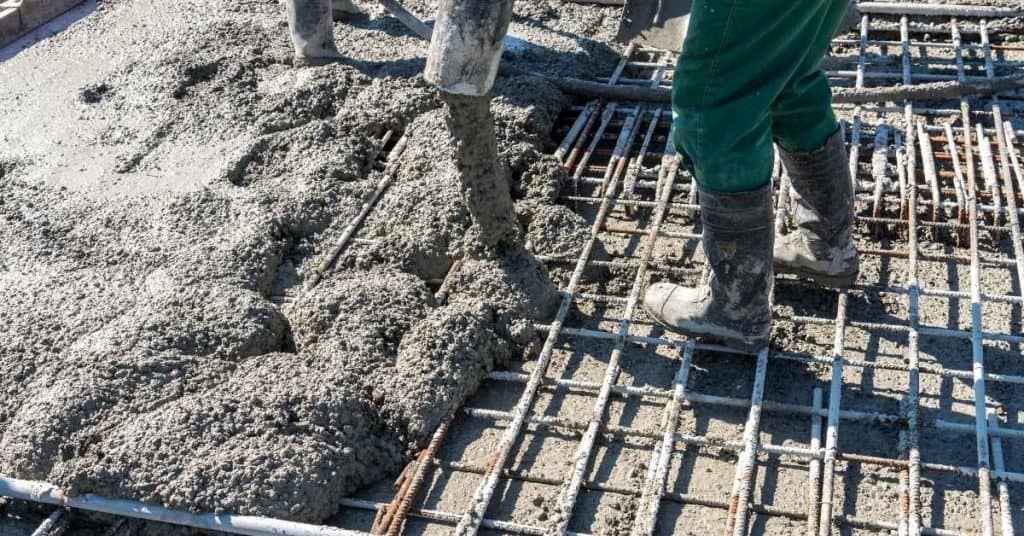
Workers pouring wet concrete over steel rebar grid

Concrete Rebar Shadowing: Why Lines Appear and What You Can Do

Introduction Concrete rebar shadowing is when the lines of embedded steel rebar show up as darker or lighter lines on the surface after curing. This happens as moisture, temperature, and the metal interact during the cure, with the surface sometimes mirroring the rebar pattern. Differences in finishing between forms or around the rebar can further

Concrete Rebar Shadowing: Why Lines Appear and What You Can Do Read More »

Smooth concrete window sill under open window with shadows

Concrete Microcracks After Curing: Causes, Visibility, and When to Seal

Introduction Concrete microcracks after curing are tiny cracks that form as the slab gains strength and settles. They are usually hairline and may be visible on the surface or near joints. Causes include shrinkage, temperature changes, and normal settling, not necessarily a defect. Sealing timing and product choice depend on your climate and the sealer

Concrete Microcracks After Curing: Causes, Visibility, and When to Seal Read More »

Stacked precast concrete hollow core slabs on dirt ground

Concrete Crazing vs Cracking: How to Tell the Difference on New Slabs

Introduction Crazing is a fine, spiderweb-like network of tiny surface cracks on a new slab. Cracking refers to larger, more obvious breaks that can run through the slab. They behave differently in the field and require different checks. Crazing is usually tied to rapid surface drying, finishing practices, or the way the surface was treated,

Concrete Crazing vs Cracking: How to Tell the Difference on New Slabs Read More »

Concrete beam-to-column connection with visible joint line

Concrete Cold Joints: How to Spot Them and When They Matter

Introduction A concrete cold joint is where fresh concrete meets already hardened concrete after a delay. It happens when pours aren’t continuous or weather slows work. Expansion joints help control movement and prevent cracking by giving concrete room to expand and contract. In high-use areas like warehouses and factories, plan for traffic, building size, and

Concrete Cold Joints: How to Spot Them and When They Matter Read More »

Wet concrete being poured over metal rebar mesh

Concrete Carbonation: What It Means for Rebar and Surface Durability

Introduction Concrete carbonation is the natural process where carbon dioxide penetrates hydrated cement and neutralizes the alkaline environment. This change can influence how rebar corrodes and how the surface holds up. In plain terms, it’s the carbonation front moving inward and changing the chemistry you relied on for durability. The mechanism involves CO2 diffusing through

Concrete Carbonation: What It Means for Rebar and Surface Durability Read More »

polished concrete floor with large glass window and ocean view

Concrete Blisters and Delamination: How to Avoid a Weak Top Layer

Introduction Blisters and delamination are weak, separated patches on the top layer of cured concrete. They happen when moisture, trapped air, or improper finishing create gaps under the surface. As a DIYer, you want to catch the signs early and fix the surface before it gets worse. Signs include raised areas, hollow sounds when tapped,

Concrete Blisters and Delamination: How to Avoid a Weak Top Layer Read More »

Concrete beams with exposed rebar at construction site

Concrete Alkali-Silica Reaction: Early Signs and Practical Mitigation

Introduction ASR is a chemical reaction in concrete where reactive silica reacts with alkali in the cement paste, causing expansion and cracking. This article explains how early signs appear and practical, home-friendly steps to reduce risk. You’ll learn what to look for, how to document symptoms, and what to ask suppliers or local rules when

Concrete Alkali-Silica Reaction: Early Signs and Practical Mitigation Read More »