Search Results for: joint sealant for concrete

Clean decorative concrete driveway with landscaping

Concrete Deicer Alternatives: What’s Safer for Decorative Concrete in Winter

Introduction Safer deicer options for decorative concrete are milder chemicals and methods that reduce staining and damage. Choose products with clear labeling and follow the manufacturer’s directions, and always check local rules or requirements before use. For a DIY approach, prioritize methods that minimize surface impact while keeping things safe on contact with your finish. […]

Concrete Deicer Alternatives: What’s Safer for Decorative Concrete in Winter Read More »

Smooth concrete driveway in front of residential garages

Sealing Concrete With High Moisture: Systems That Tolerate Vapor (and Common Myths)

Introduction Sealing concrete with high moisture means choosing systems that can protect the surface while allowing water vapor to escape. This is not about making a completely watertight barrier, but about selecting materials and methods that tolerate damp conditions. In practice, you’ll look for products and application plans that address vapor transmission and moisture management.

Sealing Concrete With High Moisture: Systems That Tolerate Vapor (and Common Myths) Read More »

Hand wearing white glove installing brown plastic anchor on foam board

Installing a New Vent Through Stucco: Sleeves, Slope, and Sealant Geometry

Introduction Installing a new vent through stucco means creating a weather-tight opening in stucco siding to run a vent sleeve and sealant geometry. This keeps airflow functional while protecting the wall from water penetration. You’ll want to plan the sleeve, slope, and seal around the opening so the vent directs moisture away from the home.

Installing a New Vent Through Stucco: Sleeves, Slope, and Sealant Geometry Read More »

blue stucco wall with textured surface and corner detail

Stucco Around Hose Bibs: Repairing Cracked Sealant and Adding a Proper Sleeve

Introduction This article shows you how to repair cracked stucco around a hose bib and add a proper water sleeve when you replace the sealant. You’ll remove the old cracked sealant, inspect the bib, and install a sleeve before the new stucco and sealant go in. It’s a hands-on, practical repair you can tackle with

Stucco Around Hose Bibs: Repairing Cracked Sealant and Adding a Proper Sleeve Read More »

Person applying plaster over blue mesh on wall

Clay Plaster Over Plywood: Movement Joints and Mesh Choices That Reduce Cracking

Introduction Clay plaster over plywood is a breathable, clay-based wall finish bonded to a plywood base. If you’re DIYing, expect a more flexible layer that can absorb minor movement without cracking. Plan for movement joints and appropriate reinforcement to guide cracks where you want them. Placement of joints and the right mesh help the plaster

Clay Plaster Over Plywood: Movement Joints and Mesh Choices That Reduce Cracking Read More »

rusty masonry trowel with wooden handle on white background

Choosing Caulk for Masonry Joints: Polyurethane vs Hybrid vs Silicone Where Each Wins

Introduction Polyurethane, hybrid, and silicone caulks each have different strengths for masonry joints, and the right choice depends on movement, exposure, and adhesion. In practice, ‘caulk’ and ‘sealant’ are terms you’ll hear used for similar products, but the key is how much they can stretch and how well they grip masonry. This article walks through

Choosing Caulk for Masonry Joints: Polyurethane vs Hybrid vs Silicone Where Each Wins Read More »

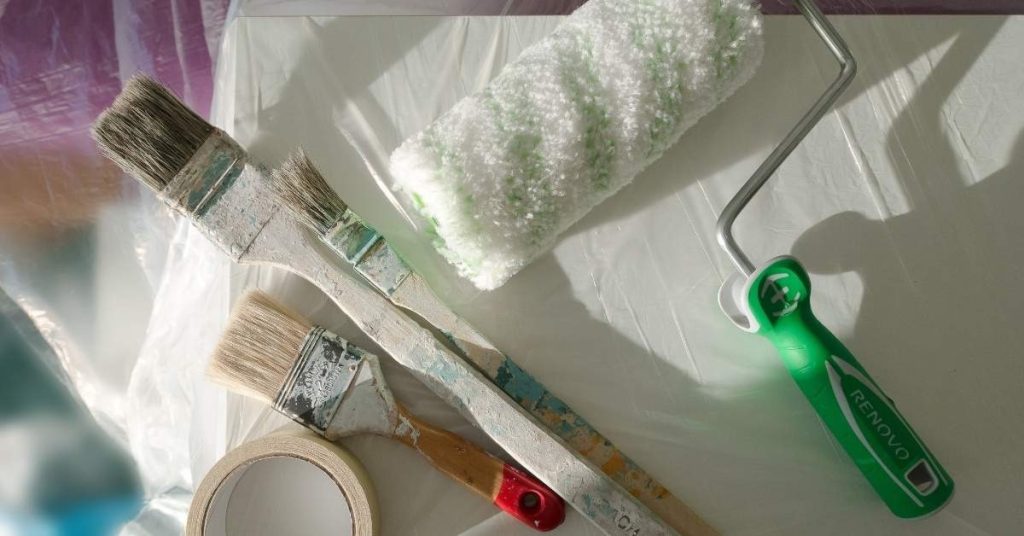
Three paintbrushes paint roller and roll of masking tape

How to Keep Sealant Joints Clean: Masking, Tooling, and Cleanup Without Smearing

Introduction Keep sealant joints clean by masking, tooling, and cleanup without smearing. This intro covers how to prep surfaces, mask off areas, and finish joints so you don’t drag old sealant or create ridges. It’s a practical, hands-on guide you can follow on a DIY project from masking to cleanup. We’ll walk through masking off

How to Keep Sealant Joints Clean: Masking, Tooling, and Cleanup Without Smearing Read More »

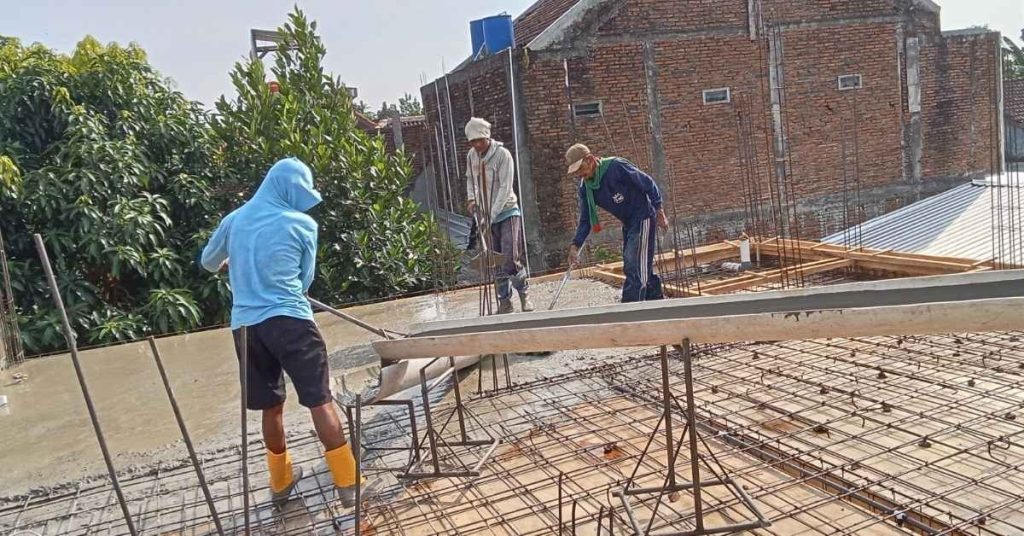
Workers pouring concrete over rebar reinforcement on building roof

Concrete Placement in Congested Rebar Without Honeycombing: Sequencing, Head Pressure, and Vibration Control

Introduction Concrete placement in congested rebar without honeycombing means planning and executing pours so concrete flows around dense steel without leaving voids. Take time to prep formwork and rebar layout, then sequence pours to keep flow paths open and minimize segregation. Choose direct discharge or pumping as your method, and use appropriate vibration and tamping

Concrete Placement in Congested Rebar Without Honeycombing: Sequencing, Head Pressure, and Vibration Control Read More »

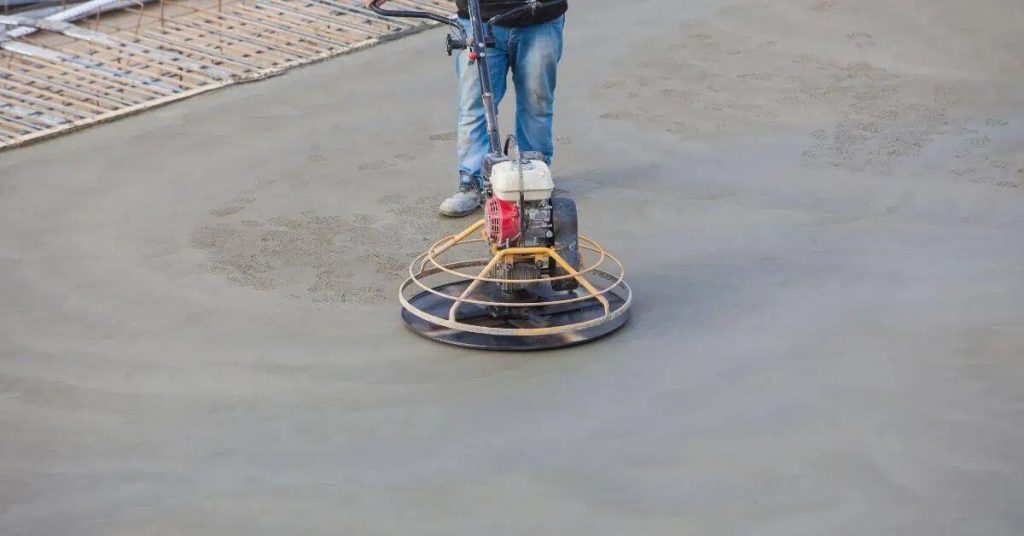
Person operating power trowel on fresh concrete surface

Concrete Finishing at High Altitude: Evaporation Spikes, Set Time Changes, and Curing Adjustments

Introduction Concrete finishing at high altitude means adjusting your process and materials to account for thinner air and changing weather so the slab cures properly and finishes stay intact. Keep the surface protected from rapid evaporation by scheduling pours for cooler parts of the day, covering with appropriate material soon after finishing, and watching wind

Concrete Finishing at High Altitude: Evaporation Spikes, Set Time Changes, and Curing Adjustments Read More »