Search Results for: joint sealant for concrete

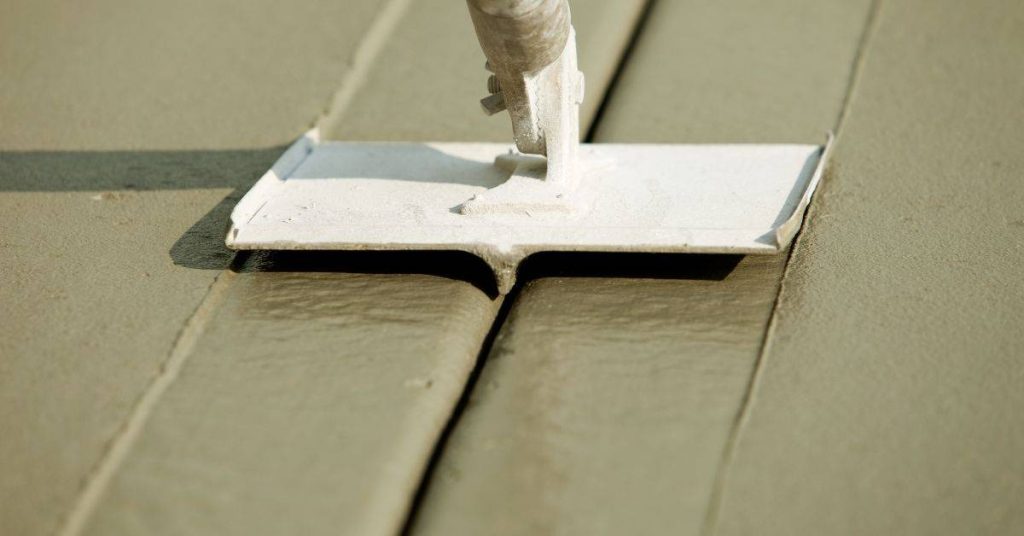
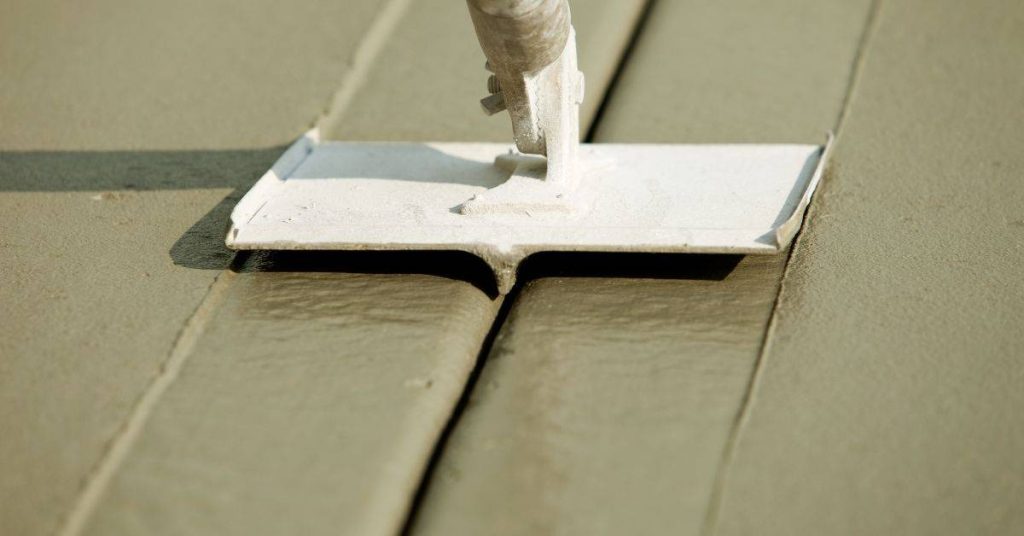
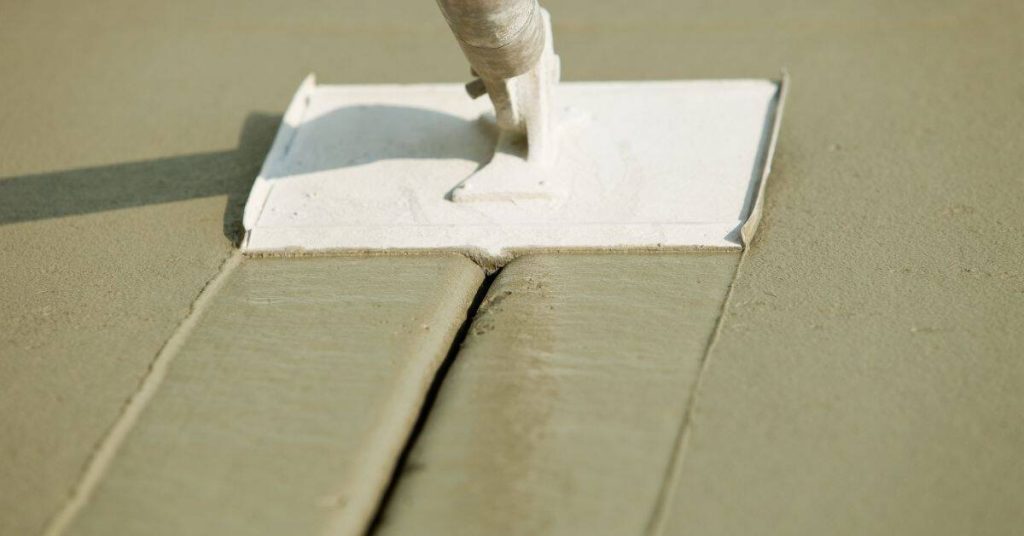
Red-handled tool smoothing fresh concrete surface

Concrete Joint Sealant That Won’t Track Dirt: Profile Shape and Cleanup Methods

Introduction A concrete joint sealant that won’t track dirt is a smooth, well-profiled sealant that stays put and is easy to wipe clean. The profile shape you choose affects how debris collects and how easy cleanup is. This intro covers practical, hands-on steps to plan and apply a dirt-resistant joint. Choose a profile that minimizes […]

Concrete Joint Sealant That Won’t Track Dirt: Profile Shape and Cleanup Methods Read More »
Tool smoothing fresh concrete expansion joint surface

Concrete Joint Sealant Depth: Backer rod sizing and tooling that stops peel-back

Introduction Backer rod sizing and proper tooling determine how deep the sealant sits and how well it resists peel-back. For DIY projects, match the rod to the joint width and choose tools that help you shape and cut the sealant cleanly. Check the joint surfaces and the manufacturer’s instructions for any minimums or recommendations. Weather

Concrete Joint Sealant Depth: Backer rod sizing and tooling that stops peel-back Read More »

Tool smoothing fresh concrete joint on pavement

Concrete Joint Sealant: Polyurethane vs Silicone (Where Each Belongs)

Introduction Polyurethane and silicone are two sealing options for concrete joints, each suited to different jobs. Polyurethane tends to be tougher and more resistant to movement, while silicone seals stay flexible longer in some conditions. This article compares when to use each, in plain terms you can apply at home. There are practical restrictions to

Concrete Joint Sealant: Polyurethane vs Silicone (Where Each Belongs) Read More »

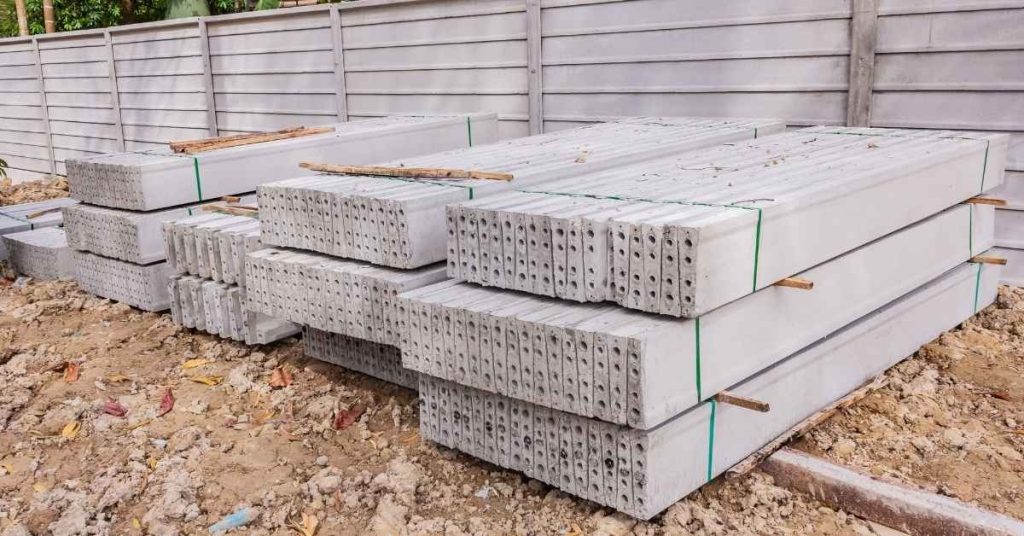
Stacked precast concrete hollow core slabs on dirt ground

Stucco at Concrete Slabs: Proper Gap, Sealant Joint, and How to Fix a Tight Termination

Introduction Stucco at concrete slabs means leaving a controlled gap and sealing it so the finish can move without cracking at the slab edge. This protects the stucco from moisture wicking and movement from the slab; check product instructions and local rules for the gap size and backing material. A proper joint combines a backing

Stucco at Concrete Slabs: Proper Gap, Sealant Joint, and How to Fix a Tight Termination Read More »

Hand using float tool smoothing fresh concrete joint

Polyurethane Crack Sealants in Concrete: Joint Prep, Backer Rod, and Tooling Tips

Introduction Polyurethane crack sealant is a flexible caulk used to fill and seal concrete joints and cracks to keep water and debris out while allowing movement. For a good DIY result, clean the joint, set an appropriate backer rod if the crack is deep or wide, and follow the sealant manufacturer’s instructions for temperature, priming,

Polyurethane Crack Sealants in Concrete: Joint Prep, Backer Rod, and Tooling Tips Read More »

Trowel smoothing fresh concrete expansion joint sealant

Concrete Expansion Joint Sealants: Urethane vs Silicone vs Self-Leveling Formulas

Introduction Concrete expansion joint sealants are flexible materials used to fill and protect gaps in concrete so they can move without cracking; common DIY choices are urethane, silicone, and self-leveling formulas. Urethane is durable and bonds well to concrete but check the product label for cure time and surface prep; silicone stays flexible and resists

Concrete Expansion Joint Sealants: Urethane vs Silicone vs Self-Leveling Formulas Read More »

Close-up of concrete expansion joint tooling with fresh concrete

Concrete Expansion Joint Sealants: Step-by-Step Application Timeline

Introduction Applying concrete expansion joint sealants is a crucial step in protecting your concrete surfaces from damage caused by movement and weathering. Understanding the timeline of this process helps you plan your project more effectively. Whether you’re working on a DIY project or managing a construction site, knowing how long each stage takes ensures that

Concrete Expansion Joint Sealants: Step-by-Step Application Timeline Read More »

White insulated concrete forms stacked outdoors on grass

DIY Concrete Door Sill / Threshold Pour: Forms, Drip Edge, and Sealant Joint

Introduction A DIY concrete door sill/threshold pour is a hands-on project to create a flat, durable doorway transition using simple forms, controlled pours, and proper finishing. You’ll set up forms to hold the concrete at the right height and shape, then plan for a drip edge and a clean joint where the sill meets the

DIY Concrete Door Sill / Threshold Pour: Forms, Drip Edge, and Sealant Joint Read More »

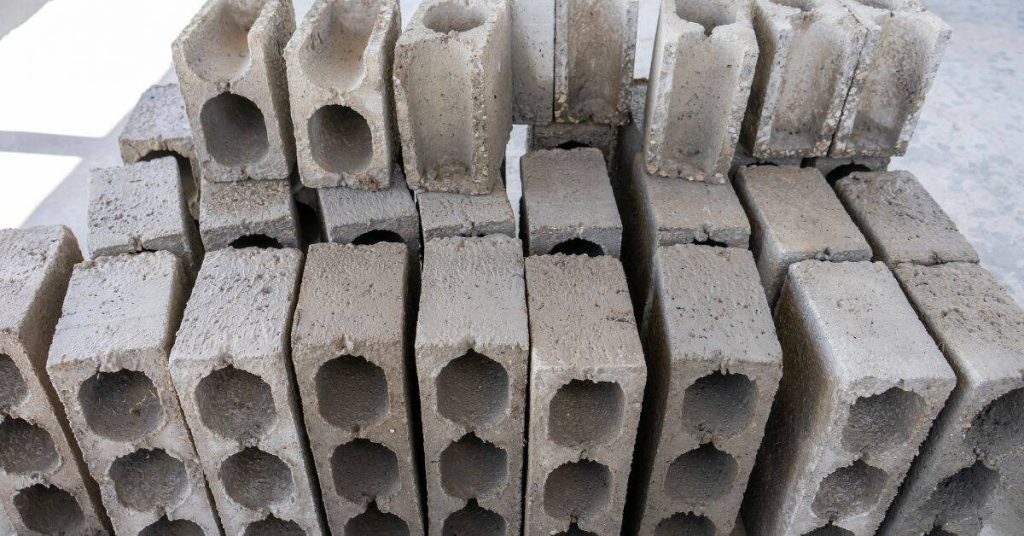
stacked hollow concrete blocks in various shapes and sizes

Knee pads and kneeboards on concrete slabs: when they save finishes and when they ruin texture

Introduction Knee pads and kneeboards are protective and guiding tools used on concrete slabs to cushion joints and protect the surface. They can help finishes stay clean by preventing gouges, but improper use can mar textures or leave indentations. Choose pads and boards that fit your knee height and project needs, and adjust as you

Knee pads and kneeboards on concrete slabs: when they save finishes and when they ruin texture Read More »

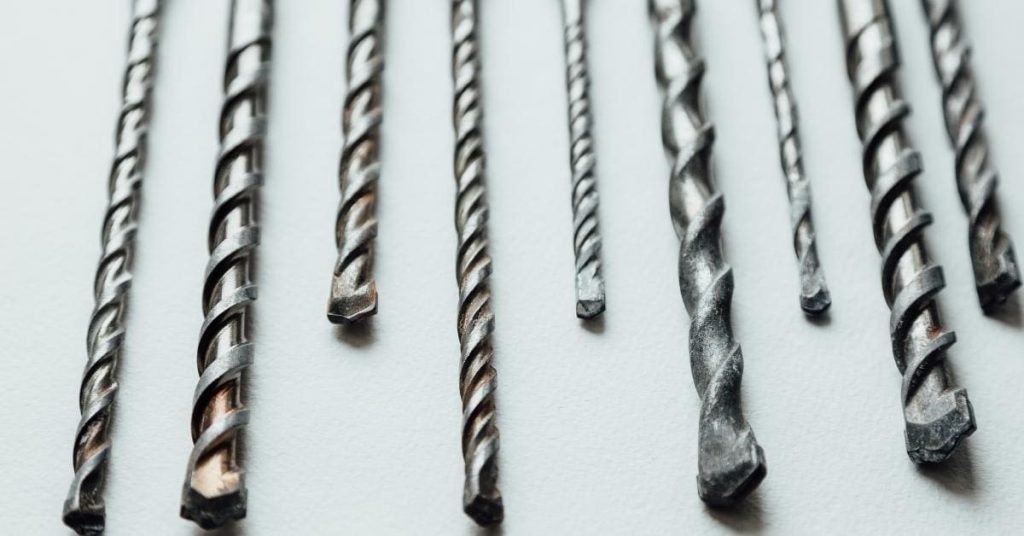
Close-up of various concrete drill bits arranged on a surface

Turning a cheap shop vac into a concrete and masonry silica setup: what works, what’s a false sense of safety

Introduction A cheap shop vac is not a proper silica dust containment or filtration system for concrete and masonry work. It can help with light cleanup but it does not reliably protect you from fine dust exposure. Use it only for basic cleanup and verify what it can and cannot do by checking the product

Turning a cheap shop vac into a concrete and masonry silica setup: what works, what’s a false sense of safety Read More »