Search Results for: how to paint galvanized sheet metal

blue stucco wall texture with varied surface depth

Sealing Penetrations Through Stucco (Vents, Linesets, Pipes): The ‘Sleeve + Flange’ Method

Introduction Sleeve + flange is a method to seal vents, linesets, or pipes where they pass through stucco. You install a sleeve through the opening, then attach a flange to seal against the wall and weather. This approach helps keep water out and makes future maintenance easier. Start by choosing a sleeve size that fits […]

Sealing Penetrations Through Stucco (Vents, Linesets, Pipes): The ‘Sleeve + Flange’ Method Read More »

Worker spraying stucco onto a brick wall

Stucco Screed Beads and Termination Beads: Which Profile Goes Where (and Why It Matters)

Introduction Screed beads and termination beads are edge profiles used to shape and finish stucco at joints and edges. They help keep the finish straight and seal transitions where the stucco meets other surfaces. Check the product label and manufacturer guidance to ensure you’re matching the profile to your job and local rules. Plan where

Stucco Screed Beads and Termination Beads: Which Profile Goes Where (and Why It Matters) Read More »

Close up of foam insulation and stucco edge

How to Repair a Missing Stucco ‘Drip Edge’ at Horizontal Bands (So Water Stops Tracking Back)

Introduction A missing stucco drip edge is the built‑in edge of the stucco that directs moisture away and stops water from tracking back into the wall. Without it, water can wend its way behind the band and cause staining or leaks. To fix it, plan to add proper edging or flashing where the horizontal band

How to Repair a Missing Stucco ‘Drip Edge’ at Horizontal Bands (So Water Stops Tracking Back) Read More »

Reinforcing mesh embedded in stucco corner near white wall

Stucco Corner Cracks at Windows: Mesh Layout That Actually Stops the Repeat Cracks

Introduction A proper mesh layout at window corners is a reinforcement plan that helps stop cracks from reappearing. It keeps the stucco from pulling away where the frame meets the opening. Check manufacturer instructions and local rules for acceptable mesh sizes and application methods. I lay out the mesh so it overlaps the corner edges

Stucco Corner Cracks at Windows: Mesh Layout That Actually Stops the Repeat Cracks Read More »

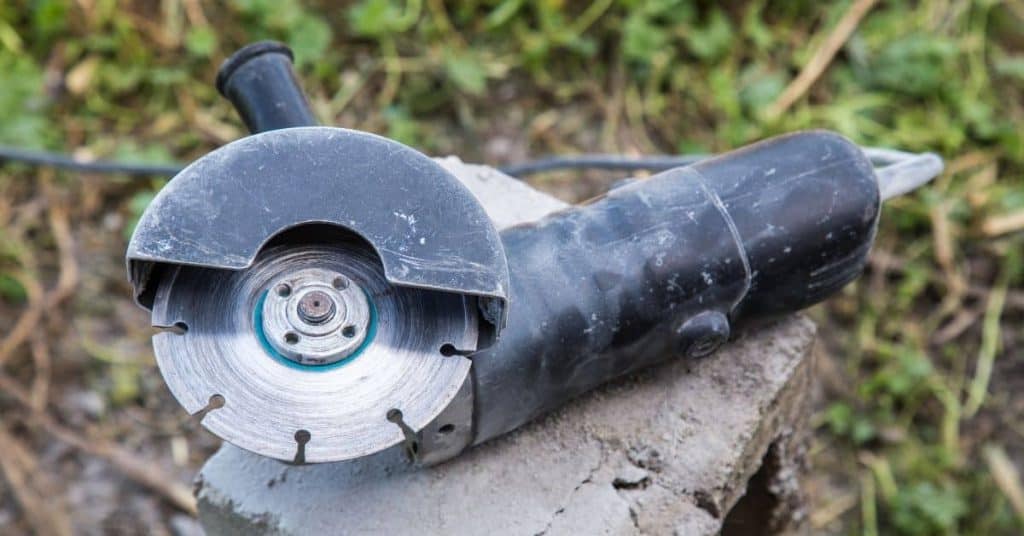
Angle grinder resting on concrete block outdoors

Repairing Stucco Behind Downspouts: Rebuilding the WRB and Getting the Termination Right

Introduction Repairing stucco behind downspouts means fixing the weather-resistant barrier and ensuring proper edge termination to prevent water intrusion. This is a hands-on DIY task that focuses on reestablishing a continuous moisture barrier and a clean transfer of water away from the wall. You’ll need to work behind the downspout area, where access and flashing

Repairing Stucco Behind Downspouts: Rebuilding the WRB and Getting the Termination Right Read More »

Wooden deck stairs attached to deck ledger and supporting posts

Stucco Meets Deck Ledger: A Water-Safe Detail for Existing Decks (No Rot Surprise)

Introduction This detail defines a water-safe method where stucco meets a deck ledger to keep moisture from seeping behind it. It’s a hands-on approach that seals the transition so rot is less likely. You’ll want to follow basic steps and check manufacturer or local guidance for any limits. Start by inspecting the ledger area for

Stucco Meets Deck Ledger: A Water-Safe Detail for Existing Decks (No Rot Surprise) Read More »

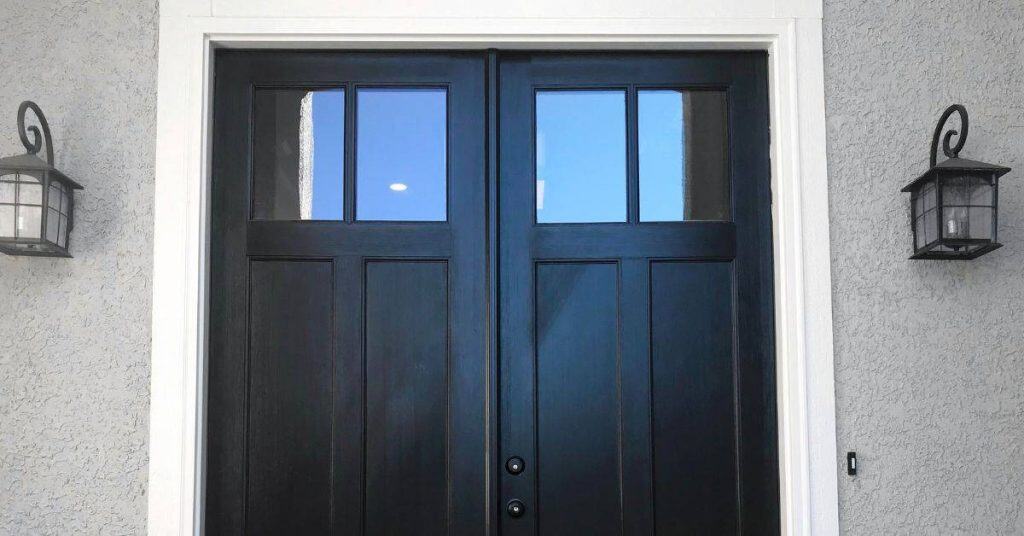
Black wooden double entry doors with glass panels and exterior wall lights

Backwrapping EIFS at Windows and Doors: What It Is and Why DIY Patches Fail Without It

Introduction Backwrapping EIFS at windows and doors means wrapping the exterior foam, weather barrier, and flashing around the rough opening to protect and seal it. It helps prevent water intrusion and wind-driven leaks where the openings meet the wall. DIY patches often fail when the edge around the opening isn’t wrapped and flashed properly. Without

Backwrapping EIFS at Windows and Doors: What It Is and Why DIY Patches Fail Without It Read More »

Worker spraying stucco onto concrete block wall

Stucco Drainage Mats Explained: When a ‘Rainscreen’ Layer Helps and How to Detail It

Introduction A rainscreen behind stucco is a ventilated gap that lets water drain and dry. This article explains when adding that layer helps and how to detail it for DIY projects. Check your local rules and product instructions for any specific gaps and materials. Set up a continuous, vented cavity behind the stucco using a

Stucco Drainage Mats Explained: When a ‘Rainscreen’ Layer Helps and How to Detail It Read More »

fresh self-leveling concrete poured on floor

Self-Leveling Underlayment Over Wood Subfloors: Prep, Lath, and Pour Thickness

Introduction Self-leveling underlayment over wood subfloors is a cementitious mix poured over prepared wood to create a flat, stable surface for new floors. It requires cleaning, securing loose boards, removing finishes, and flattening high spots so the surface is sound and ready to accept the leveling compound. Take it slow and work in small sections,

Self-Leveling Underlayment Over Wood Subfloors: Prep, Lath, and Pour Thickness Read More »

Modern bathroom with white tiled shower and glass door

Shower Bench Waterproofing: How to Build It So It Doesn’t Become a Sponge

Introduction Building a shower bench can enhance your bathroom’s functionality and aesthetics. However, it’s crucial to ensure proper waterproofing to prevent it from absorbing moisture like a sponge. In this guide, we’ll walk you through the process of constructing a waterproof shower bench that won’t become a soggy mess over time. Key takeaways Plan bench

Shower Bench Waterproofing: How to Build It So It Doesn’t Become a Sponge Read More »