Search Results for: how to fix missing red brick mortar

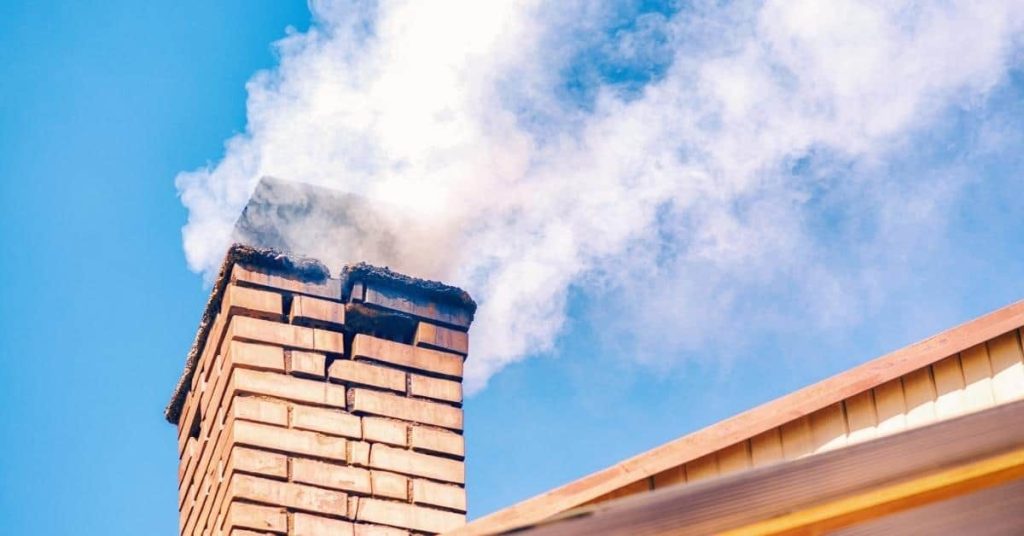
Brick chimney with smoke emitting against blue sky

Chimney Stucco Failures: Heat, Cracks, and Repair Choices

Introduction Chimney stucco failures are cracks and deterioration in the exterior plaster caused by heat exposure, moisture, and movement. These issues show up as hairline cracks, spalling, or texture changes that let water in. Addressing them early keeps water out and protects the brick or block behind the finish. To start, inspect for cracks that […]

Chimney Stucco Failures: Heat, Cracks, and Repair Choices Read More »

White subway tile backsplash with bowl of citrus fruits

Master Subway Tile: Layout, Cuts, and Grout for a Pro Look

Introduction Subway tile layout, cuts, and grouting describe the steps to install a classic, clean-jointed tile look. This article walks you through planning a layout, making straight cuts, and sealing joints for a professional finish. It’s a hands-on, practical guide you can tackle on a weekend. Understanding the fundamentals helps you choose the right tile

Master Subway Tile: Layout, Cuts, and Grout for a Pro Look Read More »

Hand painting wall corner with roller

Wall Painting Checklist: What to Inspect, Measure, and Repair for a Lasting Finish

Introduction Wall painting checklist is a practical, step-by-step guide to inspect, measure, and repair walls before painting. It helps you spot cracks, peeling paint, stains, and uneven surfaces so you can plan the work. Use it to map prep steps, materials, and timelines so the finish lasts longer. If permits apply in your area, check

Wall Painting Checklist: What to Inspect, Measure, and Repair for a Lasting Finish Read More »

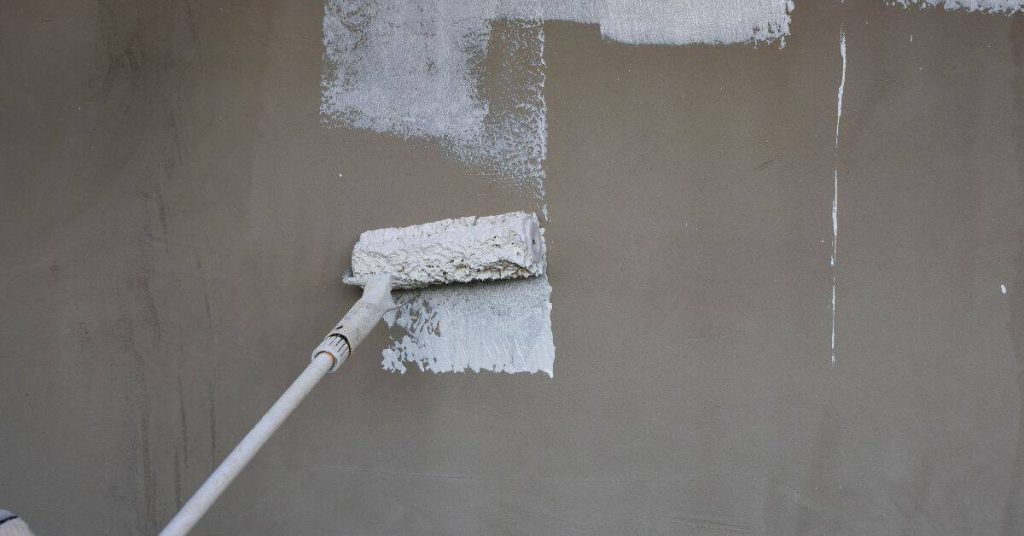
Paint roller applying white paint on gray masonry wall

Mineral Silicate Paint for Masonry: When It’s Worth It and How to Apply

Introduction Mineral silicate paint is a breathable masonry coating that bonds to mineral surfaces. It’s often worth it for exterior or historic masonry where you want a lasting, matte finish that can weather damp conditions. It resists peeling when applied correctly, but effectiveness depends on clean, sound substrate and proper surface prep. Applying it starts

Mineral Silicate Paint for Masonry: When It’s Worth It and How to Apply Read More »

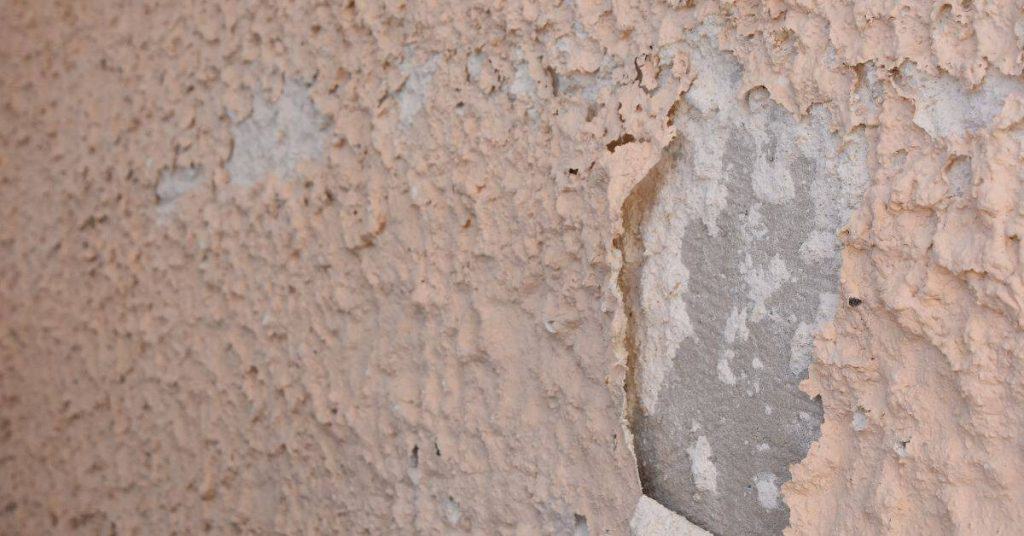
Close up of stucco wall with peeling and damaged surface

Stucco Delamination: Tap Testing, Causes, and Repair Options

Introduction Stucco delamination is when the outer stucco layer separates from the wall underneath. This can show up as hollow spots or peeling under the surface. It’s a sign you should inspect and plan before doing more work. Common causes include poor adhesion, moisture intrusion, or cracks that let the plaster pull away. Repair options

Stucco Delamination: Tap Testing, Causes, and Repair Options Read More »

Hand with glove smoothing grout on ceramic tiled wall

14 Impressive Fireplaces That Feature Tile in a Big Way — Ideas + DIY Tips

Introduction Tile-forward fireplaces use bold tile work to become the focal point of a room. This collection shares practical ideas and DIY tips for making tile the star of your fireplace. You’ll learn what to plan before you start and how to handle common challenges safely. Start with surface prep, tile selection, and layout ideas

14 Impressive Fireplaces That Feature Tile in a Big Way — Ideas + DIY Tips Read More »

Closeup of red brick wall with visible mortar joints

Stucco Control Joints: Where They Go and Why They Prevent Cracks

Introduction Control joints are intentional breaks in stucco that give the wall somewhere to move, helping to prevent random cracks. They exist to manage movement from framing, temperature, and moisture rather than to hide cracks after they form. Always check manufacturer guidance and local rules for how wide, where to place, and how to install

Stucco Control Joints: Where They Go and Why They Prevent Cracks Read More »

Worker smoothing plaster on wall with trowel wearing gloves and cap

Hardwall Plaster on Masonry: Achieving a Flat Plane Without “Waves”

Introduction Hardwall plaster on masonry is applying a cement-based coating to brick or block to create a flat, level surface. It means you’re sealing the rough masonry and guiding the plaster down to a true plane. Start by checking the wall for moisture and any loose material, then read the instruction on the product label

Hardwall Plaster on Masonry: Achieving a Flat Plane Without “Waves” Read More »

Person applying plaster to wall near window corner

Repairing Cracks at Door and Window Corners: Reinforcement Methods That Stay Invisible

Introduction Invisible reinforcement methods for cracks at door and window corners involve strengthening the surrounding frame and substrate without visible patching. This article covers practical, stay-in-place techniques you can do yourself to keep a tight, long-lasting seal. You’ll identify crack types and choose a method that doesn’t alter the look of the opening. Identify crack

Repairing Cracks at Door and Window Corners: Reinforcement Methods That Stay Invisible Read More »