Search Results for: how to fix missing red brick mortar

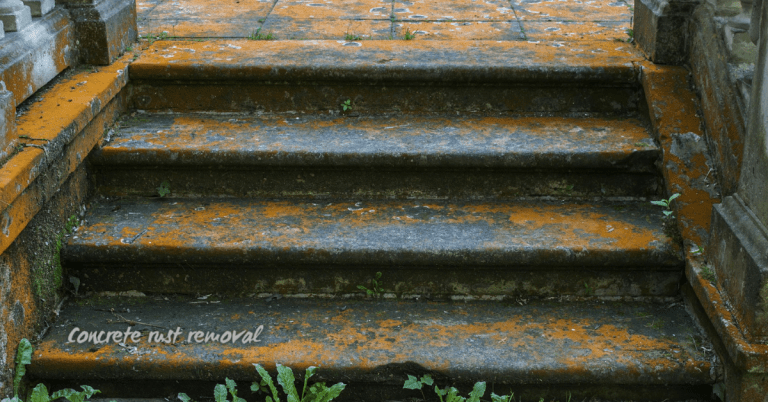
Concrete steps with orange rust stains and some plants growing

DIY Salt Damage Prevention for Steps: Pre-Winter Sealer Checks and Drainage Tweaks

Introduction Salt damage prevention for steps means preparing concrete stairs to resist freeze-thaw and salt exposure before winter. This involves inspecting surfaces, cleaning debris, and checking the edge seals so water and salt don’t penetrate. Keep an eye on cracks or chips and plan resealing if you spot trouble. Before the cold sets in, look […]

DIY Salt Damage Prevention for Steps: Pre-Winter Sealer Checks and Drainage Tweaks Read More »
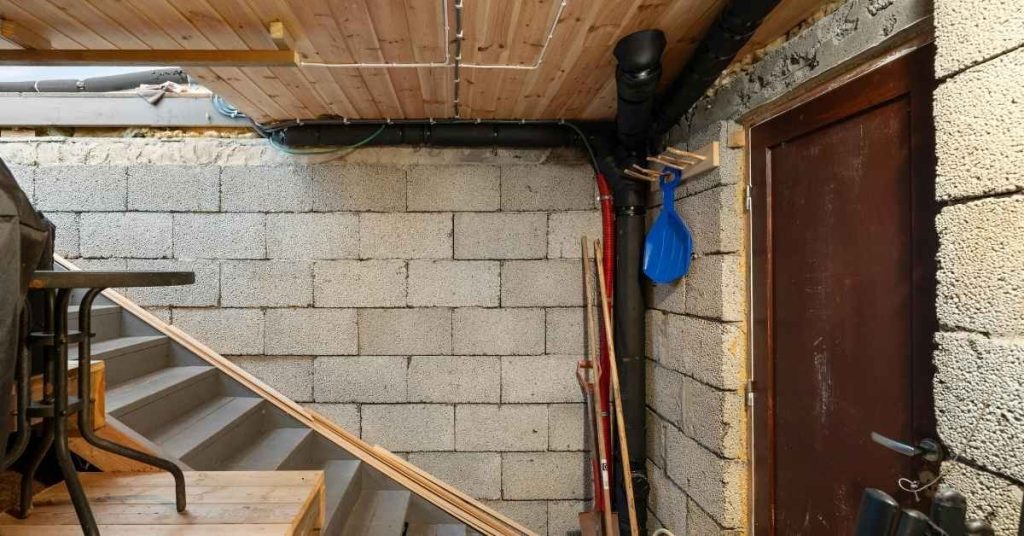
unfinished basement with concrete block walls wooden ceiling and stairs

Setting Anchors in Hollow Block: Screens, Injection, and Pullout Reality

Introduction Anchoring in hollow block means securing fasteners or anchors into hollow concrete masonry units so they can hold a load. In practice, you choose a method based on the block’s hollow cores and what you’re anchoring. This article explains the hands-on steps, what to expect, and how to tell if an anchor is set

Setting Anchors in Hollow Block: Screens, Injection, and Pullout Reality Read More »

Hands using pliers to pull wire from wall socket opening

Repairing Plaster After Removing Tile: Flattening, Bonding, and Preventing Future Cracks

Introduction Repairing plaster after removing tile means leveling the wall, applying a bonding layer, and getting it ready for plaster. Start by cleaning the surface, removing tile film, and filling any gouges or ridges to create a flat base. Then identify high spots and plan to flatten them with gentle passes and proper feathering of

Repairing Plaster After Removing Tile: Flattening, Bonding, and Preventing Future Cracks Read More »

Wooden lath exposed behind damaged plaster wall

Repairing Plaster Where Lath Is Loose: Refastening vs Replacing and How to Decide

Introduction Repairing plaster where lath is loose means choosing between refastening the existing lath and replacing damaged lath. This article helps you decide which path fits your wall and how to do it safely. It keeps things practical and ready for a DIY project, not a textbook. To decide, start by locating loose lath and

Repairing Plaster Where Lath Is Loose: Refastening vs Replacing and How to Decide Read More »

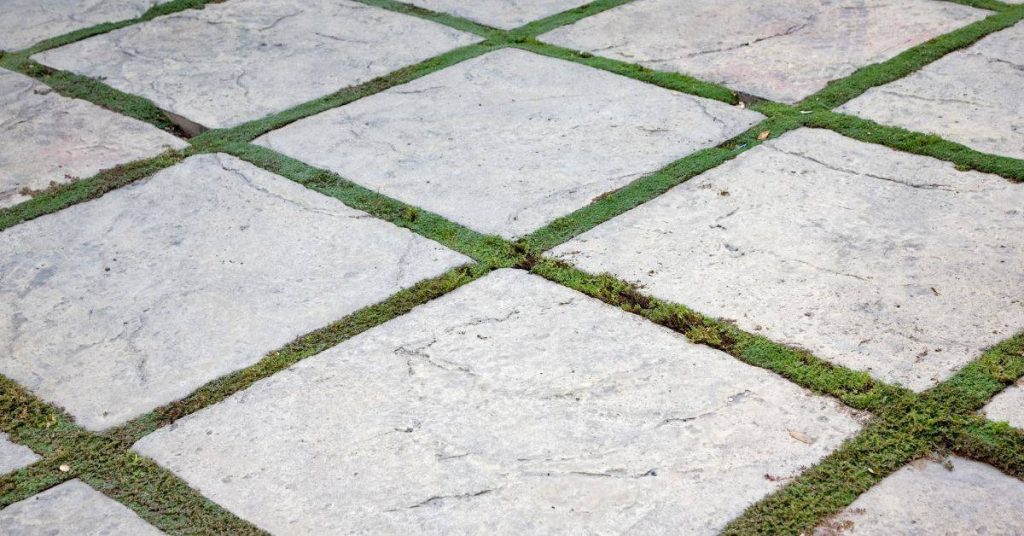
Square stone pavers with green moss in the joints

Sandblasted Finishes: Uniformity Tricks and How to Avoid Shadowing Around Joints

Introduction Sandblasted finishes are a textured surface created by blasting marble with abrasive media to reveal the stone’s grain. The result is a matte, slip-resistant look that hides tiny flaws and can add character to a space. As a DIY project, it’s important to understand that consistency comes from planning, the right media, and steady

Sandblasted Finishes: Uniformity Tricks and How to Avoid Shadowing Around Joints Read More »

Freshly poured wet concrete slab inside an unfinished room

Preventing Efflorescence From New Concrete: Water Sources, Curing, and Breathable Protection

Introduction Efflorescence is the white, powdery or crusty mineral deposit that appears on concrete when water moves minerals to the surface. It happens when moisture inside the slab or plaster carries soluble salts to the surface as it evaporates. Identify sources of moisture—wet curing, rain exposure, groundwater, or humid environments—and understand that surface coatings can

Preventing Efflorescence From New Concrete: Water Sources, Curing, and Breathable Protection Read More »

Brick chimney with smoke against clear blue sky

Chimney Stucco Cracks and Stains: Causes, repairs, and prevention

Introduction Chimney stucco cracks and stains are exterior flaws in the stucco coating caused by movement, moisture, or dirty runoff. These issues can signal underlying water intrusion or surface aging that needs attention. Identifying the cause helps you choose a safe, practical repair plan you can do yourself. Look for hairline cracks, efflorescence, or dark

Chimney Stucco Cracks and Stains: Causes, repairs, and prevention Read More »

Man and woman painting white wall with green paint rollers

Painting Masonry Without Trapping Moisture: Breathability and prep that matter

Introduction Breathing masonry means choosing paints and prep that let moisture escape rather than trap it inside. That often means a breathable primer and coating, plus surface prep that removes loose material without sealing in dampness. Keep good airflow while you work and check for any damp spots before you start painting. Start with a

Painting Masonry Without Trapping Moisture: Breathability and prep that matter Read More »