Search Results for: heat resistant cement for high heat

Inside Corners in Showers: Caulk Vs Grout and Where Movement Actually Happens

Inside Corners in Showers: Caulk Vs Grout and Where Movement Actually Happens

Introduction In shower inside corners, caulk handles movement while grout is best for rigid joints. The guide explains when to use each, how to assess movement in corners, and practical steps for proper application and sealing. Key takeaways Caulk tolerates movement in vertical corners; grout is rigid and can crack. Movement occurs mainly where framing […]

Inside Corners in Showers: Caulk Vs Grout and Where Movement Actually Happens Read More »
Gravel Base Thickness for Patios: Choosing 4″ or 8″ with Real Examples

Gravel Base Thickness for Patios: Choosing 4″ or 8″ with Real Examples

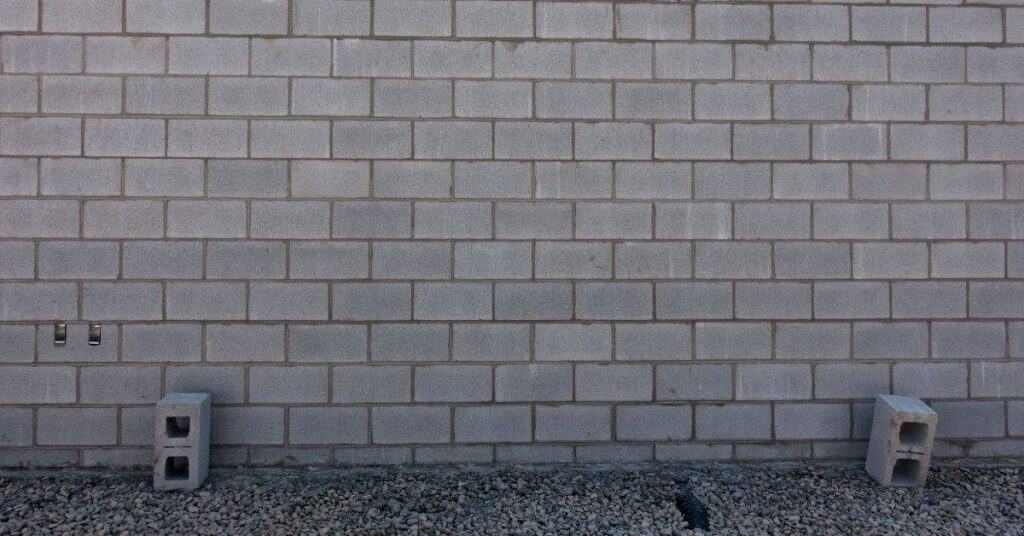
Introduction Gravel base thickness for patios should be 4 inches for standard light-use patios and 8 inches where soils are soft or loads are higher. You’ll learn practical guidelines, real-world examples, and simple steps to choose the right thickness for your site. Key takeaways 4-inch bases suit small patios with light loads and compacted soil.

Gravel Base Thickness for Patios: Choosing 4″ or 8″ with Real Examples Read More »

Slab-on-Grade Edge Insulation: Where It Helps and Where It Causes Trouble

Slab-on-Grade Edge Insulation: Where It Helps and Where It Causes Trouble

Introduction The slab-on-grade construction method is popular for its simplicity and cost-effectiveness. However, it’s crucial to understand where edge insulation helps and where it might cause issues. This guide will walk you through the benefits and potential drawbacks of using edge insulation in your slab-on-grade project. Let’s dive right in! Key takeaways Evaluate edge insulation

Slab-on-Grade Edge Insulation: Where It Helps and Where It Causes Trouble Read More »

Expansion/Movement Joints: Where to Leave Gaps and How to Finish Them Cleanly

Expansion/Movement Joints: Where to Leave Gaps and How to Finish Them Cleanly

Introduction Leave proper gaps at expansion and movement joints to accommodate building movement and prevent cracking. This introduction explains how to choose appropriate gap sizes, where joints belong, and how to finish them cleanly with durable sealants and proper detailing. You’ll learn practical tips, common mistakes to avoid, and a straightforward approach to creating joints

Expansion/Movement Joints: Where to Leave Gaps and How to Finish Them Cleanly Read More »

The Most Overlooked Step in Flashing Installation That Prevents Annoying Water Leaks

The Most Overlooked Step in Flashing Installation That Prevents Annoying Water Leaks

Introduction Properly sealing joints during flashing installation is the most overlooked step that prevents annoying water leaks. This article explains why that step matters and walks you through practical techniques, tips, and common mistakes to avoid so you can install flashing with confidence. You’ll learn how to identify vulnerable spots, choose the right sealant, and

The Most Overlooked Step in Flashing Installation That Prevents Annoying Water Leaks Read More »

How Humid Summers Reveal Weaknesses in Diy Concrete Coatings

How Humid Summers Reveal Weaknesses in Diy Concrete Coatings

Introduction Humidity exposes the weaknesses of DIY concrete coatings. You’ll learn how moisture affects adhesion and curing, and walk through practical steps for assessing conditions, prepping surfaces, choosing suitable coatings, and applying them for lasting protection. Key takeaways Humidity slows cure; keep substrate above 60°F and ensure good ventilation during application. Epoxy and polyurea performance

How Humid Summers Reveal Weaknesses in Diy Concrete Coatings Read More »

The Hidden Danger of Using Styrofoam Insulation Behind Stucco: Fire Risks and Moisture Traps

The Hidden Danger of Using Styrofoam Insulation Behind Stucco: Fire Risks and Moisture Traps

Introduction Styrofoam insulation, while affordable and easy to install, hides significant risks when used behind stucco. This guide explores these dangers, focusing on fire hazards and moisture traps. Key takeaways Identify foam types (EPS, XPS, EIFS) and their compatibility with stucco. Inspect installation flaws: gaps, flashing failures, or improper fastening that trap moisture. Fire risks

The Hidden Danger of Using Styrofoam Insulation Behind Stucco: Fire Risks and Moisture Traps Read More »

Flashing and WRB: the Seasonal Pattern of Spring Showers That Tests Your Home’s Defense

Flashing and WRB: the Seasonal Pattern of Spring Showers That Tests Your Home’s Defense

Introduction Flashing and WRB define how seasonal spring rain can test a home’s weatherproofing and structural defenses. The article explains why this matters for your home and walks you through practical steps to assess, seal, and maintain flashing and WRB details, with tips and rules of thumb to prevent leaks. You’ll learn what signs to

Flashing and WRB: the Seasonal Pattern of Spring Showers That Tests Your Home’s Defense Read More »

Why Painting over Efflorescence Is the Myth That Keeps Sucking Life from Concrete Walls

Why Painting over Efflorescence Is the Myth That Keeps Sucking Life from Concrete Walls

Introduction Painting over efflorescence is not a real fix for moisture and can trap water inside concrete walls. In this guide you’ll learn how to recognize moisture issues, properly prepare the surface, choose breathable coatings, and apply a treatment plan that prevents future efflorescence. The steps and tips provided aim to give you practical, durable

Why Painting over Efflorescence Is the Myth That Keeps Sucking Life from Concrete Walls Read More »