Search Results for: heat resistant cement for high heat

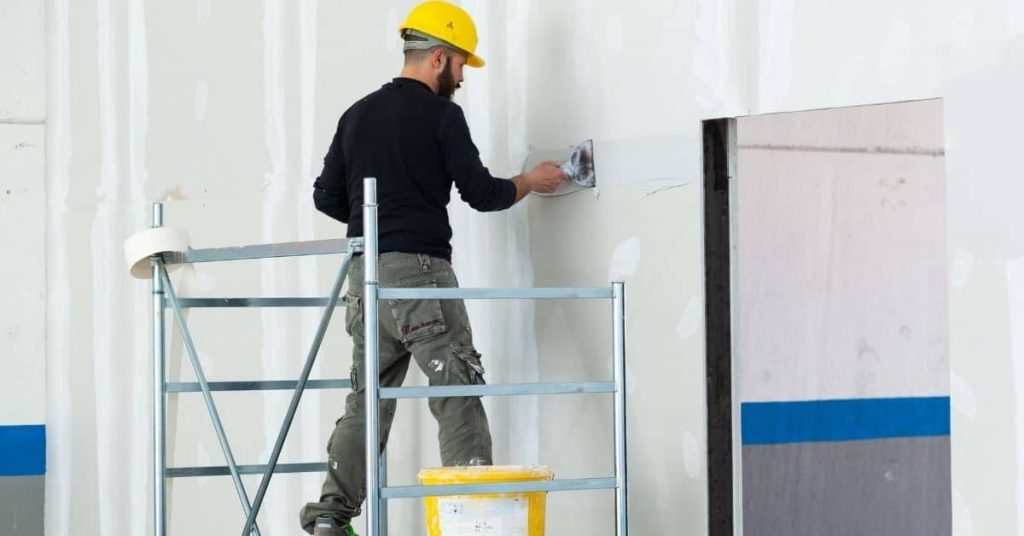
Worker applying plaster to drywall wearing yellow hard hat

Mold-Resistant Drywall in Basements: Moisture Testing Before You Hang Anything

Introduction Mold-resistant drywall is dry wall designed to resist moisture and mold growth in basements. It’s a practical upgrade when you’re finishing a damp space. I’ll walk you through how to tell if it’s a good fit and what to expect on the job. Before hanging anything, do moisture testing and air checks. Use a […]

Mold-Resistant Drywall in Basements: Moisture Testing Before You Hang Anything Read More »

Blue ladder against patched drywall with primed walls

Greenboard vs. Purple Board vs. Cement Board: Choosing Walls for Bathrooms (Real-World Limits)

Introduction Greenboard, purple board, and cement board are moisture-rated wall materials used in bathrooms. Each has different moisture tolerance, installation needs, and finish options, which affects where you should use them. For a practical DIY approach, start with what the product label and manufacturer instructions say about moisture exposure and prep. In real life, you

Greenboard vs. Purple Board vs. Cement Board: Choosing Walls for Bathrooms (Real-World Limits) Read More »

Person smoothing plaster on ceiling with trowel

DIY Plaster Repair at Radiator Niches: Heat, Moisture, and Primer Choices

Introduction Plaster repair around radiator niches is fixing damaged plaster to restore a clean, sealed surface that can handle heat and moisture. This work is hands-on and happens where the radiator meets the wall, so you’ll patch, skim, and finish to blend in. You’ll want to understand how heat and moisture can affect the repair

DIY Plaster Repair at Radiator Niches: Heat, Moisture, and Primer Choices Read More »

Person applying plaster to brick oven dome with trowel

Plaster Repairs Over Masonry Fireplaces: Managing Heat Cycles and Soot Staining

Introduction Plaster repairs over masonry fireplaces are patches of plaster applied to brick or stone around the firebox to restore a smooth, protected surface. Heat cycles and soot staining can crack and discolor the area, so you approach it in layers and blend with the surrounding texture. Keep an eye on existing cracks and smoke

Plaster Repairs Over Masonry Fireplaces: Managing Heat Cycles and Soot Staining Read More »

Worker pouring wet concrete onto ground surface

Pouring a Concrete Pad for a Heat Pump/AC: Vibration Isolation and Drainage Details

Introduction Pouring a concrete pad for a heat pump involves creating a level, vibration-isolated base with proper drainage. Plan a level, supported site and confirm any local rules before you pour. Check the equipment pad specs and local drainage requirements. To limit vibrations, place the slab on a simple isolation layer and centered under the

Pouring a Concrete Pad for a Heat Pump/AC: Vibration Isolation and Drainage Details Read More »

concrete countertop with integrated sink and black faucet

DIY Concrete Countertop Heat Damage: Trivets, Sealers, and Spot Repair Options

Introduction Concrete countertop heat damage protection and repair basics are practical steps to prevent scorch marks from hot items. Think in terms of using heat-resistant trivets, choosing appropriate sealers, and planning simple spot repairs when needed. This guide covers easy, hands-on steps you can follow in a DIY kitchen project. Regular inspection and maintenance of

DIY Concrete Countertop Heat Damage: Trivets, Sealers, and Spot Repair Options Read More »

spiked roller on freshly applied epoxy floor coating

Epoxy Thinset vs. Cement Thinset: Where Epoxy Is Worth It (and where it’s trouble)

Introduction Epoxy thinset is a two‑part adhesive that uses epoxy as the binder, offering a tougher, more chemical‑resistant bond than plain cement thinset. In DIY terms, it sets slower and can be trickier to mix and apply, so it’s not always the best choice for every job. Check manufacturer instructions for mixing ratios, pot life,

Epoxy Thinset vs. Cement Thinset: Where Epoxy Is Worth It (and where it’s trouble) Read More »

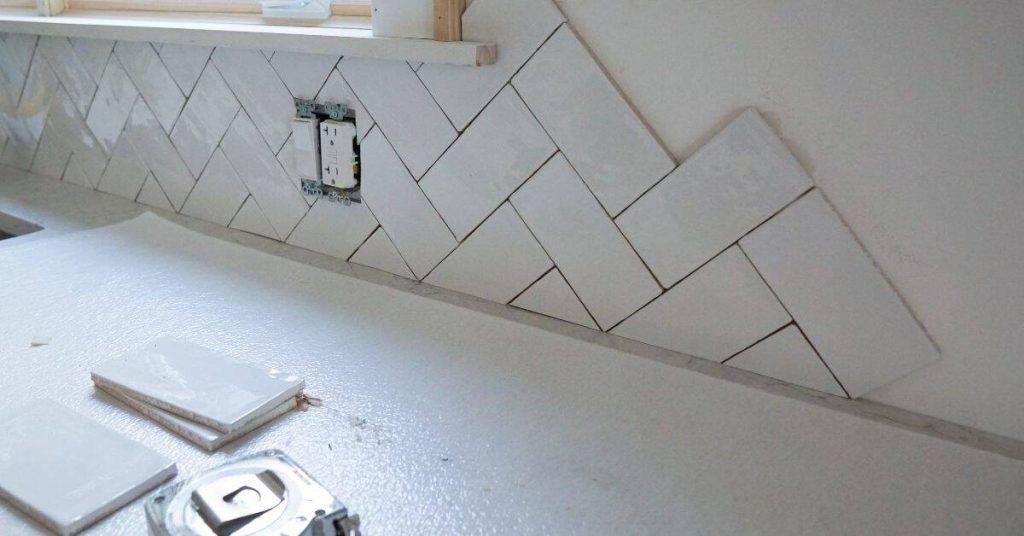
white herringbone tile backsplash partially installed without grout

Best Paint for Tile-Look Backsplashes (When Replacement Isn’t an Option)

Introduction Painting tile-look backsplashes is painting over existing tile to resemble new tile when replacement isn’t possible. This approach keeps the project simple and lets you update color and texture without tearing out walls. Doable for DIYers who are comfortable with prep, basic priming, and a steady hand with brushes or rollers. Start with thorough

Best Paint for Tile-Look Backsplashes (When Replacement Isn’t an Option) Read More »

Reflective smooth light blue epoxy floor with metal shelving

How to Paint a Cast-Iron Radiator: Heat Cycles, Prep, and High-Temp Coatings

Introduction Painting a cast-iron radiator means choosing a heat‑resistant coating and applying it in stages so the unit can heat and cool without peeling. Prep thoroughly to remove rust and old paint, then seal cracks and gaps as needed, always following the coating manufacturer’s instructions for heat tolerances. Because radiators heat cycles can affect coating

How to Paint a Cast-Iron Radiator: Heat Cycles, Prep, and High-Temp Coatings Read More »

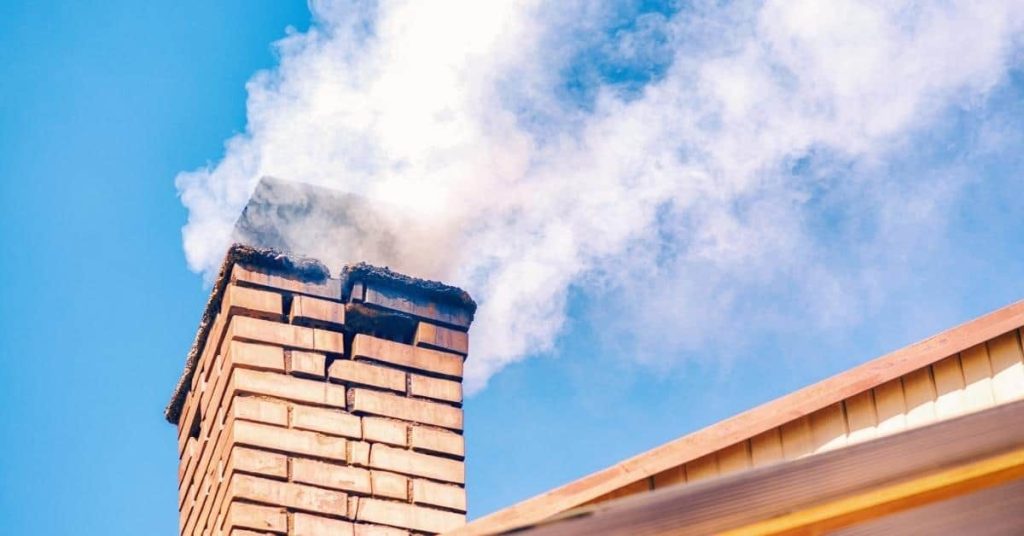
Brick chimney with smoke emitting against blue sky

Chimney Stucco Failures: Heat, Cracks, and Repair Choices

Introduction Chimney stucco failures are cracks and deterioration in the exterior plaster caused by heat exposure, moisture, and movement. These issues show up as hairline cracks, spalling, or texture changes that let water in. Addressing them early keeps water out and protects the brick or block behind the finish. To start, inspect for cracks that

Chimney Stucco Failures: Heat, Cracks, and Repair Choices Read More »