Search Results for: heat resistant cement for high heat

Ear muffs safety goggles and work gloves on white background

Dry Shake Hardeners: When They Work and When They Cause Delamination

Introduction Dry shake hardeners are a surface additive that you broadcast onto fresh concrete to harden the top layer. They help improve wear resistance when applied correctly and risk delamination if the surface不能 bond well or you overwork the mix. You can apply them by hand or with a machine, depending on the job size […]

Dry Shake Hardeners: When They Work and When They Cause Delamination Read More »
Hand applying plaster to wall with trowel

Plaster Wall Cracks: Which Ones Are Cosmetic and Which Signal Movement

Introduction Hairline cracks in plaster walls are usually cosmetic, while wider cracks that shift or show displacement can signal movement. This article gives a plain-spoken check for what to look for and how to judge the difference. You’ll learn simple signs to watch and steps to take before you decide on DIY fixes or calling

Plaster Wall Cracks: Which Ones Are Cosmetic and Which Signal Movement Read More »

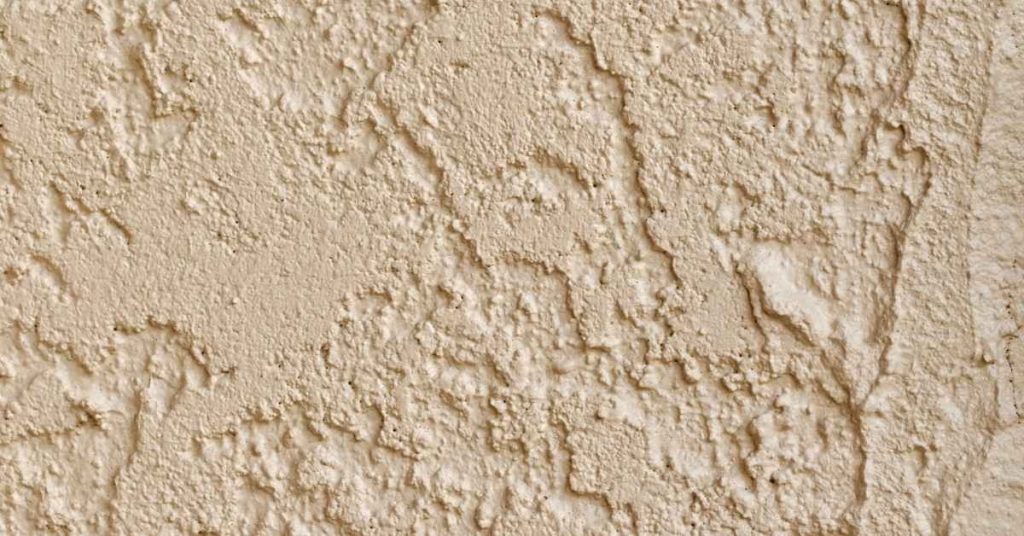
Closeup of textured beige stucco wall surface

How to Seal Brick Safely: Breathable Sealers vs Film Coatings (What to Choose)

Introduction Seal brick safely means choosing between breathable sealers and film coatings to protect the brick while allowing moisture to escape. Breathable sealers let moisture pass through slowly, while film coatings form a surface layer. This article compares how they work and when each is a better fit for DIY projects. For each type, follow

How to Seal Brick Safely: Breathable Sealers vs Film Coatings (What to Choose) Read More »

Bucket with mortar mixing paddle and hand tools inside

Grout vs Mortar vs Thinset: Picking the Right Material for Each Job

Introduction Grout, mortar, and thinset are three distinct masonry materials used for different jobs: grout fills gaps between tiles, mortar binds bricks or blocks, and thinset is a cement-based adhesive for setting tiles. In DIY work, choose based on whether you need bonding, filling, or leveling, and adjust for indoor vs outdoor use. Standard blends

Grout vs Mortar vs Thinset: Picking the Right Material for Each Job Read More »

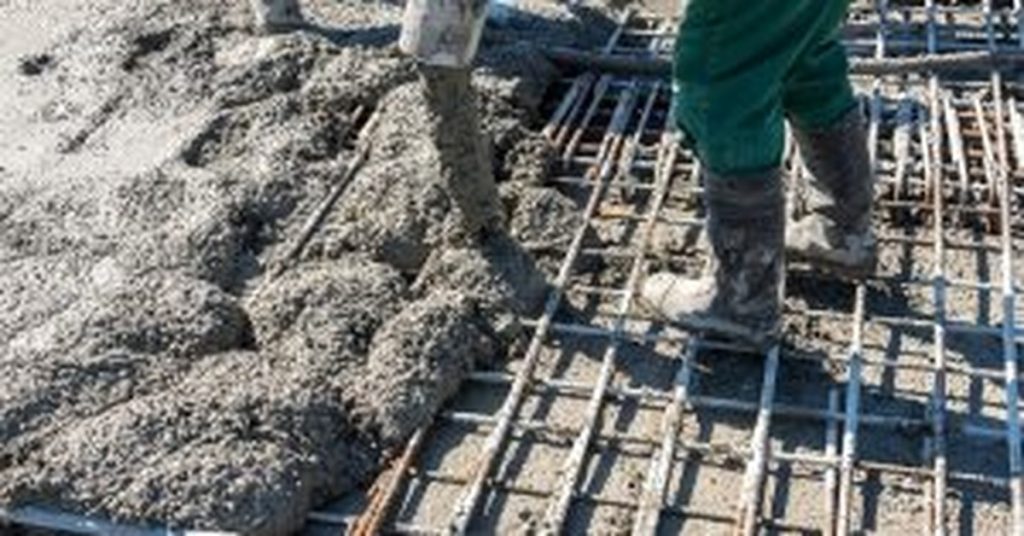
Worker pouring wet concrete over steel rebar grid

Accelerators for Concrete: Calcium Chloride vs Non-Chloride (Pros, Cons, Safety)

Introduction Calcium chloride accelerators are concrete additives that speed up early strength and set time. Non-chloride accelerators achieve similar hardening speed without using chloride salts. Both types aim to help a pour gain strength sooner, but they behave differently in practice. Calcium chloride can cause discoloration and may contribute to steel corrosion if moisture and

Accelerators for Concrete: Calcium Chloride vs Non-Chloride (Pros, Cons, Safety) Read More »

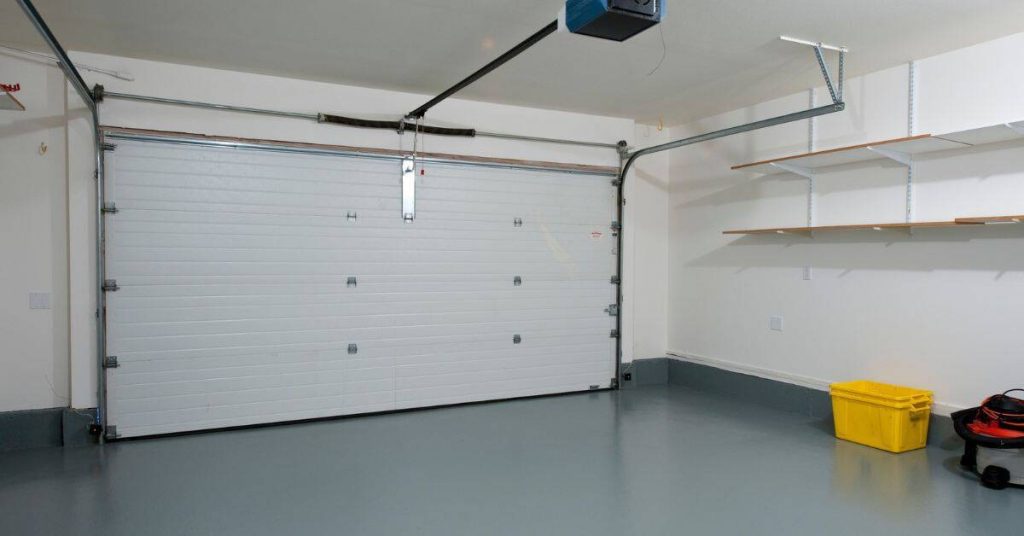
Clean painted concrete garage floor with shelves and yellow bin

Lithium Densifier on Garage Floors: Coverage, Burnishing, and Common Mistakes

Introduction A lithium densifier is a chemical treatment that reacts with concrete to harden the surface. It helps garage floors become more wear resistant and dustproof when applied correctly. Clean, dry surfaces and following the product instructions are essential for best results. Coverage depends on floor porosity and the product label, so check the manufacturer’s

Lithium Densifier on Garage Floors: Coverage, Burnishing, and Common Mistakes Read More »

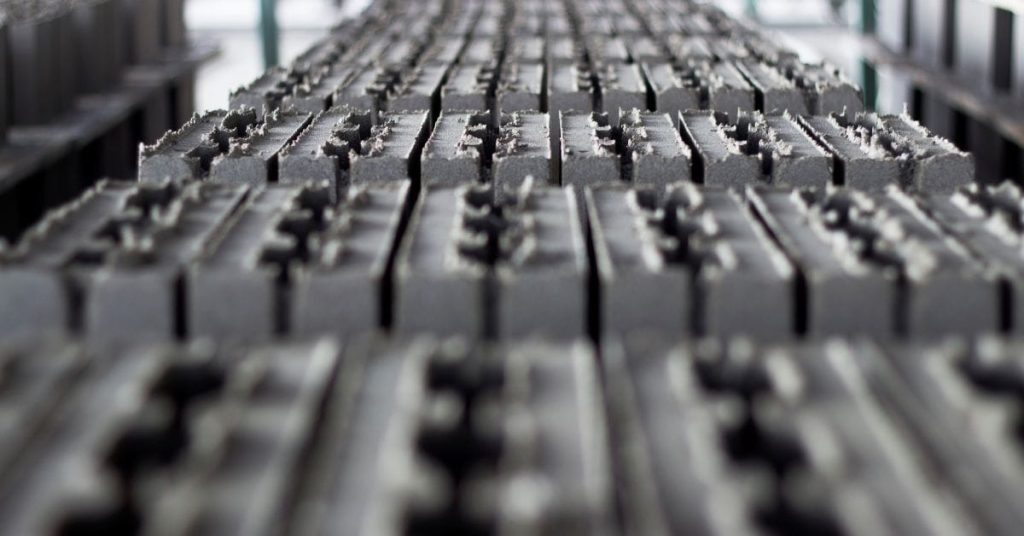
Rows of gray concrete blocks arranged in curing racks

Curing Concrete with Plastic: How to Avoid Discoloration, Wrinkles, and Soft Spots

Introduction Using plastic to cure concrete means covering fresh concrete with plastic to trap moisture and heat and guide a smooth finish. This helps limit discoloration, wrinkling, and soft spots by slowing evaporation. Check local rules and product labels for what type of plastic and how to secure it. Choose a clean plastic sheeting that

Curing Concrete with Plastic: How to Avoid Discoloration, Wrinkles, and Soft Spots Read More »

Open metal gate with stone pillars and green landscape

How to Store Bagged Concrete: Moisture Damage, Shelf Life, and Best Practices

Introduction Storing bagged concrete means keeping the bags dry, off the ground, and protected so the mix remains usable when you need it. Moisture damage is the big risk, since humidity or leaks can turn dry premixed concrete clumps or weaken the mix. Check the bag labels and manufacturer instructions for any shelf life guidance,

How to Store Bagged Concrete: Moisture Damage, Shelf Life, and Best Practices Read More »