Search Results for: heat resistant cement for high heat

Concrete slab being smoothed with a long-handled float

Concrete Tool Cleanup: Keeping floats flat, trowels smooth, and handles solid

Introduction Concrete tool cleanup means removing concrete residue and debris from floats, trowels, and handles so they stay flat and true. Do it soon after use while the slab is still workable, and focus on each tool as you walk off the job. This keeps your finishes consistent and your gear ready for the next […]

Concrete Tool Cleanup: Keeping floats flat, trowels smooth, and handles solid Read More »

Hand holding spray paint gun near peeling painted wooden siding

Fixing Cracked Elastomeric Coatings: Prep and recoats that stop peeling

Introduction Fixing cracked elastomeric coatings means repairing and reapplying a flexible protective layer so cracks stop growing and peeling ends. Cracking often comes from substrate movement, UV exposure, or poor initial prep, so surface prep and proper adhesion are key. In this hands-on guide, you’ll learn how to clean, repair, and re-coat using the right

Fixing Cracked Elastomeric Coatings: Prep and recoats that stop peeling Read More »

Close-up of rough stucco wall texture with light beige paint

Painting Stucco Without Killing Texture: Coverage methods that keep the look

Introduction Painting stucco without killing texture means applying paint in a way that preserves the surface texture while offering even coverage. Start with a clean, dry surface and repair damaged areas, then check the paint label for compatibility with stucco and any prep steps. Choose a paint type that is appropriate for exterior stucco and

Painting Stucco Without Killing Texture: Coverage methods that keep the look Read More »

Close-up of metal pegboard with hooks hanging

Osmotic Blisters in Coatings: Why blisters return and how to break the cycle

Introduction Osmotic blisters in coatings are moisture pockets that push through a painted or coated film. They form when water moves through a coating under a dried film, bringing in salts from the substrate. The result is raised bubbles that can lift the coating from the surface. You’ll notice swollen areas, shiny rims, or wrinkles

Osmotic Blisters in Coatings: Why blisters return and how to break the cycle Read More »

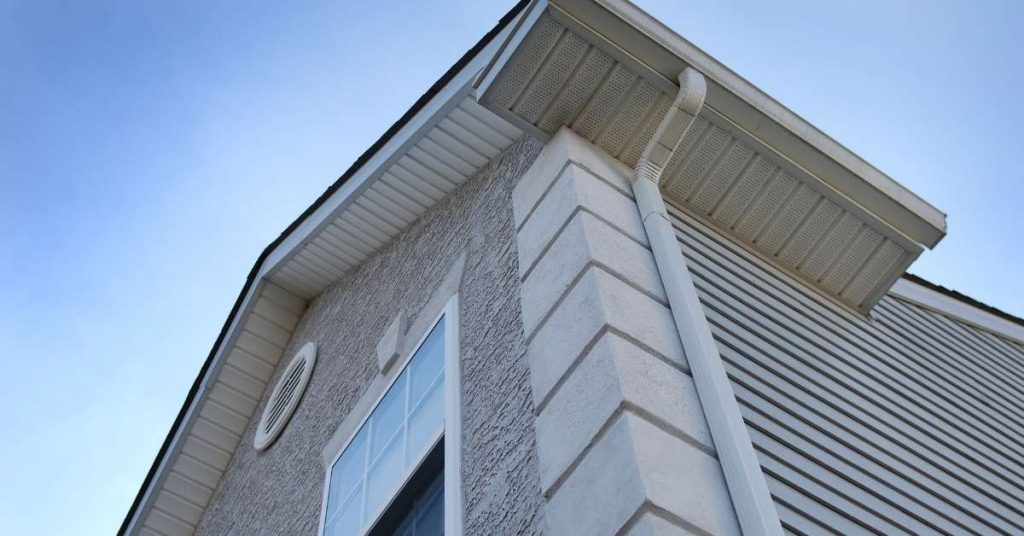
Close-up of outside stucco corner on house with clear sky

Outside Corner Stucco Damage: Stronger corner repairs that don’t chip out

Introduction Outside corner stucco damage refers to cracks or chips at the corner where two exterior walls meet. The goal is to make a repair that stays strong and looks even, without the chip coming back. This article walks you through practical, hands-on steps you can follow with common tools. You’ll want to check if

Outside Corner Stucco Damage: Stronger corner repairs that don’t chip out Read More »

Construction worker painting a small yellow patch on white wall

Choosing Wall Sheen: Washability vs touch-up friendliness in real rooms

Introduction Choosing wall sheen means picking a paint feature that balances washability and touch-up ease in real rooms. In practice, you want a finish that cleans up without showing every scuff. Think about high-traffic areas and kitchens. Read the label or talk with the paint shop about washability and touch-up performance. If you want a

Choosing Wall Sheen: Washability vs touch-up friendliness in real rooms Read More »

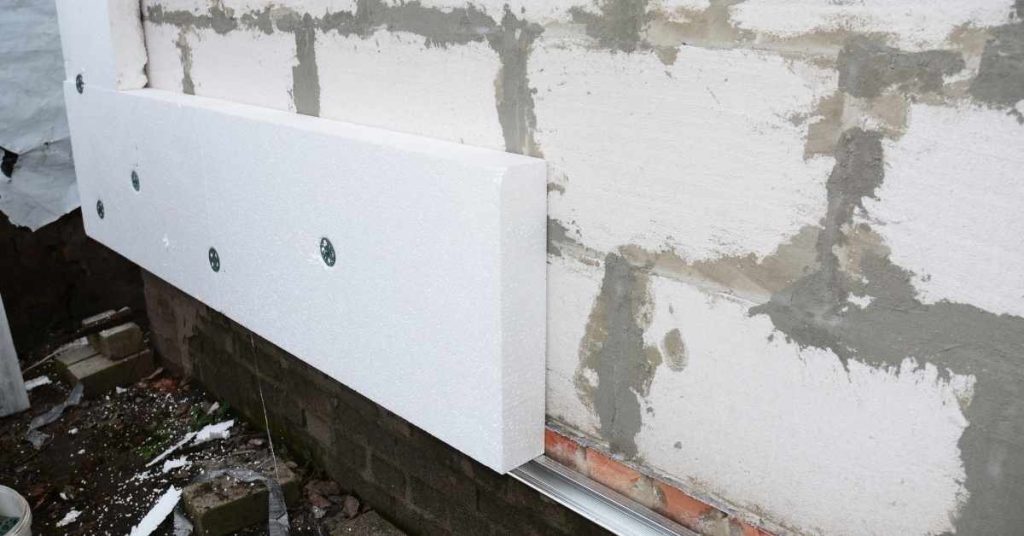
White EPS foam board attached to exterior masonry wall

Stucco at Rooflines: Fixing recurring leaks without relying on caulk alone

Introduction Fixing leaks at stucco rooflines means sealing and directing water so it doesn’t seep where the wall meets the roof. This job isn’t about slapping on caulk alone; you’ll often need proper flashing and surface prep to make a lasting fix. Approach it with a plan, check the manufacturer instructions for any products you

Stucco at Rooflines: Fixing recurring leaks without relying on caulk alone Read More »

Close-up of asphalt shingle with visible impact damage

Stucco Damage Behind Downspouts: Repairs and water control improvements

Introduction Stucco damage behind downspouts is hidden water intrusion that weakens the wall where the downspout sits. Water running off the gutter can seep behind the stucco and cause cracking, bulging, or soft spots. This article shows practical steps you can do to inspect and start repairs without specialized equipment. Start by cleaning the area

Stucco Damage Behind Downspouts: Repairs and water control improvements Read More »

Exterior stucco wall with multiple windows under clear sky

Cracks Around Stucco Windows: Why they form and how to fix them correctly

Introduction Cracks around stucco windows are caused by movement at the window opening and the surrounding stucco not moving the same way. Settling, temperature swings, and flashing or moisture issues are common culprits to look for. Note whether the crack runs along the frame, at corners, or where trim meets stucco to guide your fix.

Cracks Around Stucco Windows: Why they form and how to fix them correctly Read More »

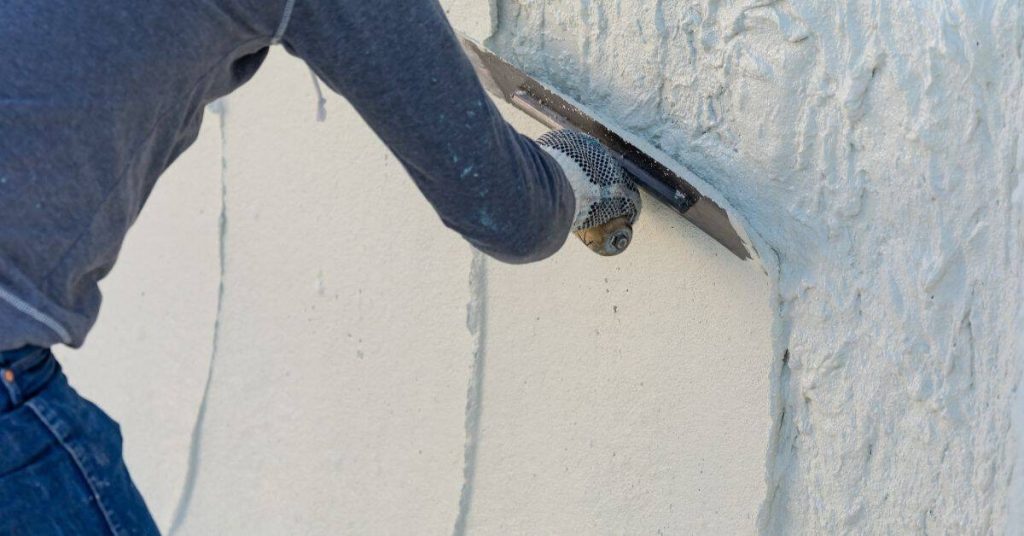
Person applying stucco texture to wall with trowel

Stucco at Deck and Porch Connections: Water control and movement details

Introduction Stucco at deck and porch connections is the moisture-control detail where stucco meets the deck to stop water from entering the structure. It relies on flashing, proper joint gaps, and movement allowances to shed water and accommodate movement. Always check manufacturer instructions and local rules for flashing, sealants, and clearance requirements. For a practical

Stucco at Deck and Porch Connections: Water control and movement details Read More »