Search Results for: grinding

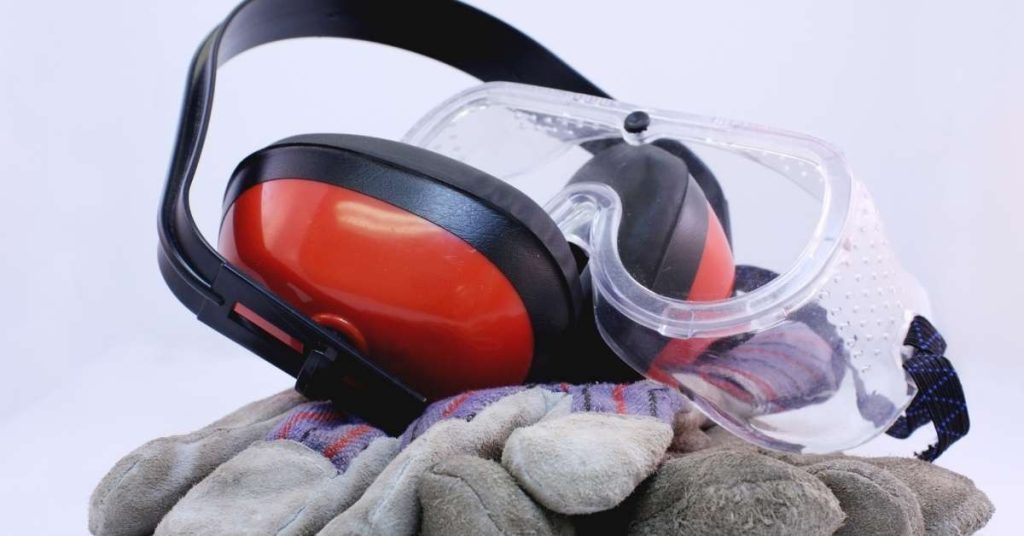
Ear muffs safety goggles and work gloves on white background

Dry Shake Hardeners: When They Work and When They Cause Delamination

Introduction Dry shake hardeners are a surface additive that you broadcast onto fresh concrete to harden the top layer. They help improve wear resistance when applied correctly and risk delamination if the surface不能 bond well or you overwork the mix. You can apply them by hand or with a machine, depending on the job size […]

Dry Shake Hardeners: When They Work and When They Cause Delamination Read More »
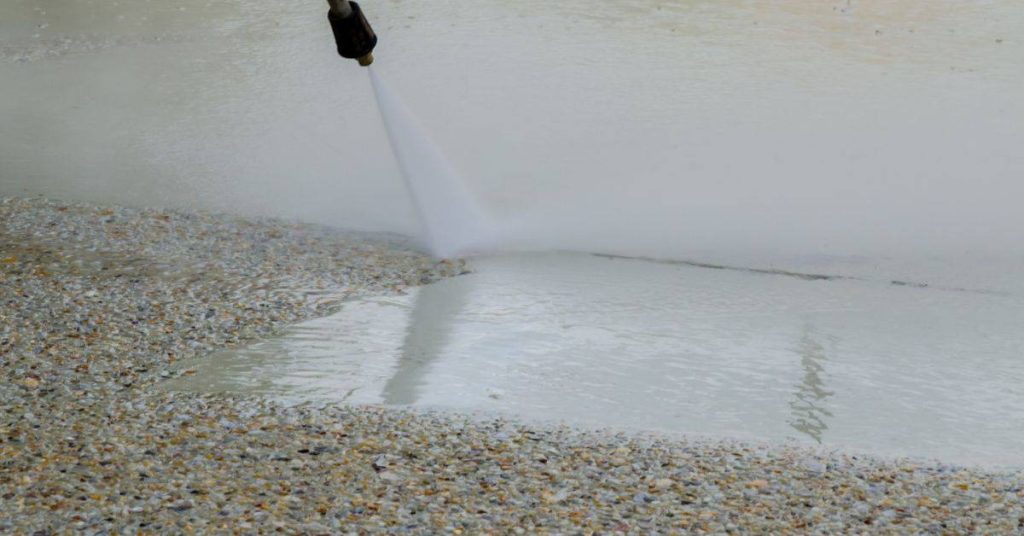
Pressure washing exposed aggregate concrete surface

Exposed Aggregate Finish: Timing, Washing, and Sealing for Long-Term Durability

Introduction Exposed aggregate finish is when you reveal the decorative rocks in fresh concrete by washing away the surface grout at the right time. Plan the pour with your exposure goal in mind, and monitor the surface as it firms so you can decide when to start washing. Have a clear sequence for washing, exposing

Exposed Aggregate Finish: Timing, Washing, and Sealing for Long-Term Durability Read More »

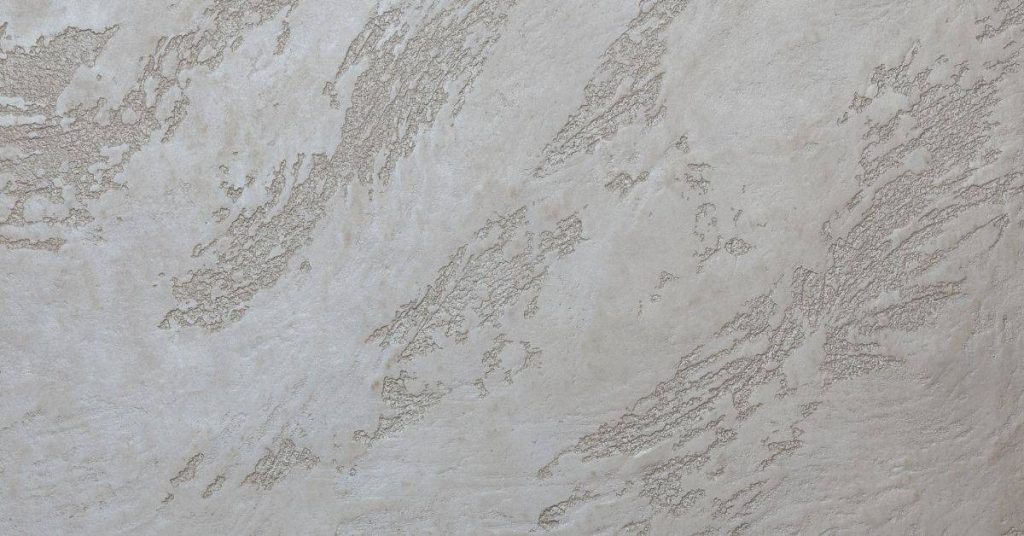
Close-up of textured beige wall finish with irregular patterns

Feather Finish vs. Self-Leveler for Minor Concrete-Floor Dips

Introduction For an isolated, shallow dip, gouge, or edge transition in a concrete floor, choose a feather-finish patching compound. Choose self-leveling underlayment when low areas are broad, numerous, or outside the patch product’s stated thickness range. A patch lets you correct one defect without raising the surrounding floor; a self-leveler treats a larger field and

Feather Finish vs. Self-Leveler for Minor Concrete-Floor Dips Read More »

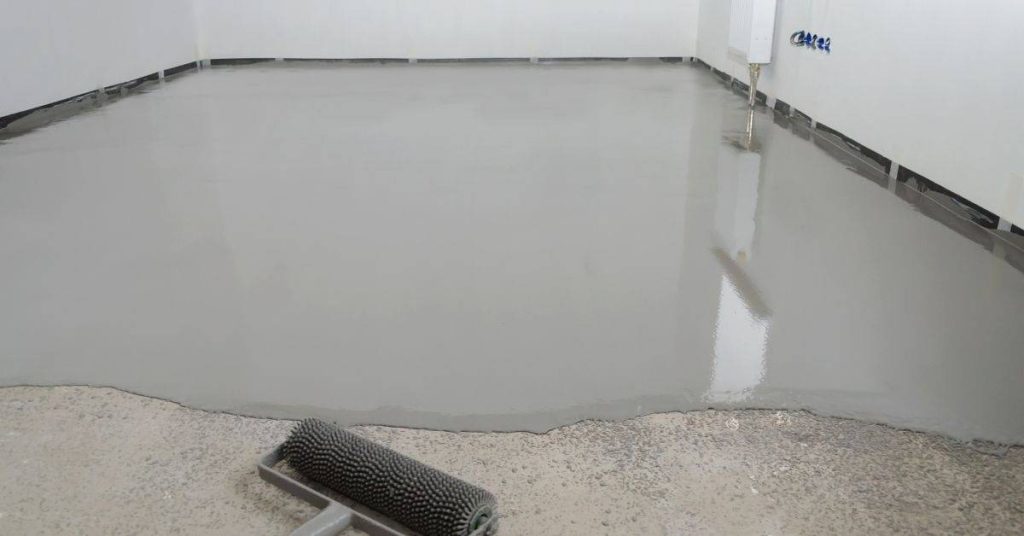
Freshly poured self-leveling concrete floor with a spiked roller

How to Level Concrete or Wood Subfloors for Tile With Self-Leveling Underlayment

Introduction Self-leveling underlayment can correct low areas and create a flatter tile substrate, but it cannot make a weak floor structurally sound or stop an active moisture problem. This guide covers concrete slabs and wood-based subfloors; the preparation and product approval requirements are different for each. Start by identifying the substrate, correcting movement or damage,

How to Level Concrete or Wood Subfloors for Tile With Self-Leveling Underlayment Read More »

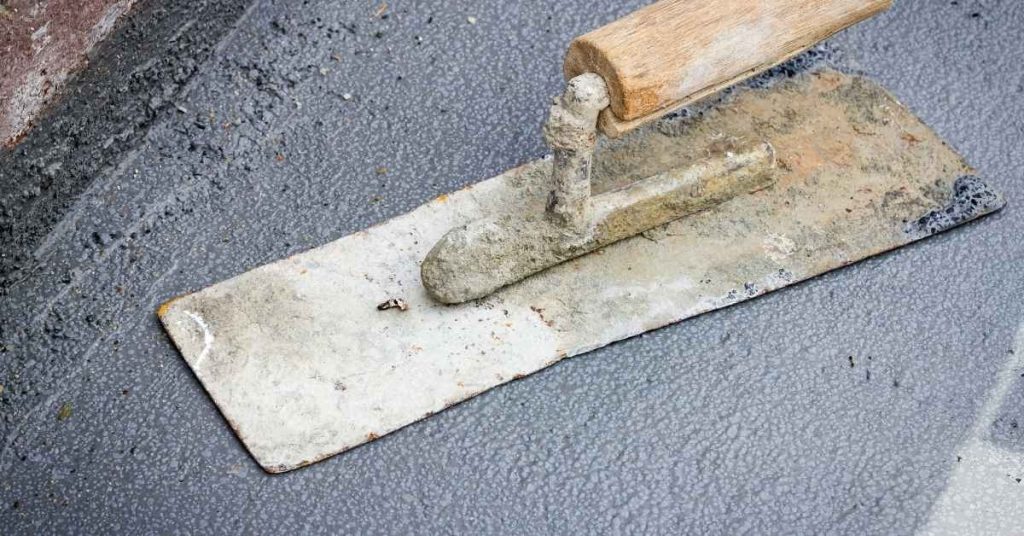
Metal float tool resting on gray parge coat surface

Parge Coat on Foundation Walls: Mix, Surface Prep, and Crack Control

Introduction A parge coat is a thin cement-like coating applied to foundation walls to seal, smooth, and protect them. This article walks you through the basics of mixing, prepping the surface, and controlling cracks so you can do it safely and effectively. You’ll tackle foundation wall prep, choosing a parging mix, and applying a thin,

Parge Coat on Foundation Walls: Mix, Surface Prep, and Crack Control Read More »

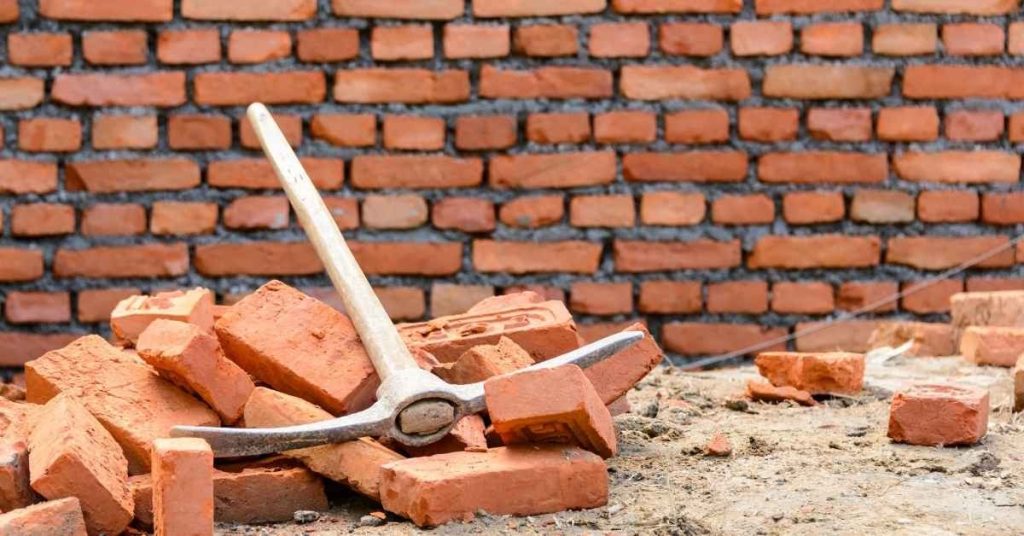
Pile of red bricks with a pickaxe resting on top

Efflorescence on Brick and Block: Removal Methods That Don’t Make It Worse

Introduction Efflorescence is the white, powdery deposit that forms on brick or block when water brings soluble salts to the surface. This article explains simple removal methods that avoid making it worse. You’ll get practical, hands-on steps you can do yourself without fancy tools. Start with the easiest, low-risk approach and test a small area

Efflorescence on Brick and Block: Removal Methods That Don’t Make It Worse Read More »

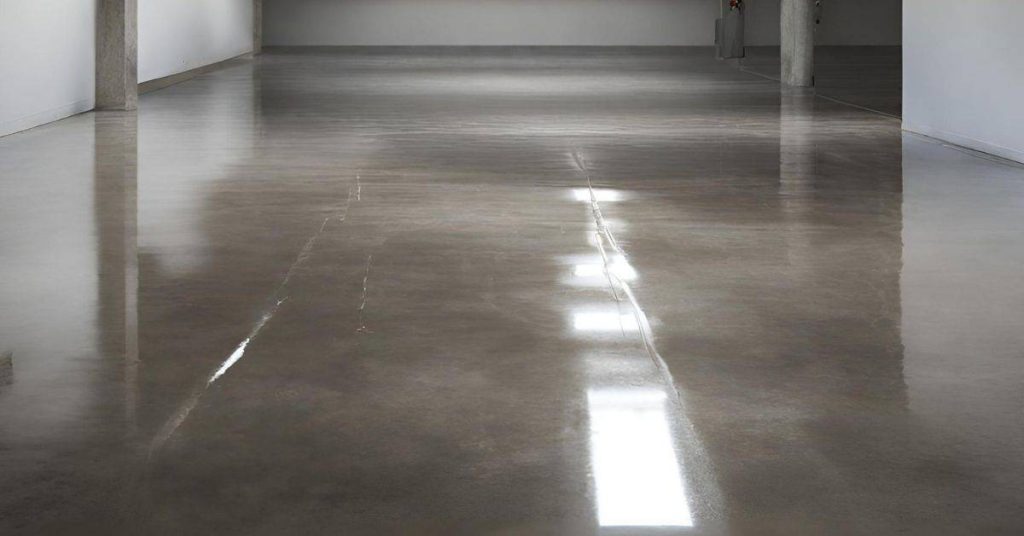
Polished concrete floor reflecting overhead lights

Polished Concrete Stain Protection: Guards, Resealing, and Maintenance That Works

Introduction Polished concrete stain protection is a practical plan to keep stains from soaking in and the surface looking good. It relies on guard methods, occasional resealing, and simple maintenance you can handle in a DIY project. This approach aims to slow wear, resist color change, and extend the life of the finish. To choose

Polished Concrete Stain Protection: Guards, Resealing, and Maintenance That Works Read More »