Search Results for: grinding

Rusty rebar grid and foam insulation panels in concrete form

Concrete Cover Requirements: What “Cover” Means and How to Measure It

Introduction Concrete cover is the distance from the outer surface of the concrete to the embedded steel or other reinforcement. In DIY terms, it protects steel from moisture and corrosion and helps the structure resist fire. Check the manufacturer’s instructions or local rules for any minimums. To measure cover, use a tape, ruler, or a […]

Concrete Cover Requirements: What “Cover” Means and How to Measure It Read More »
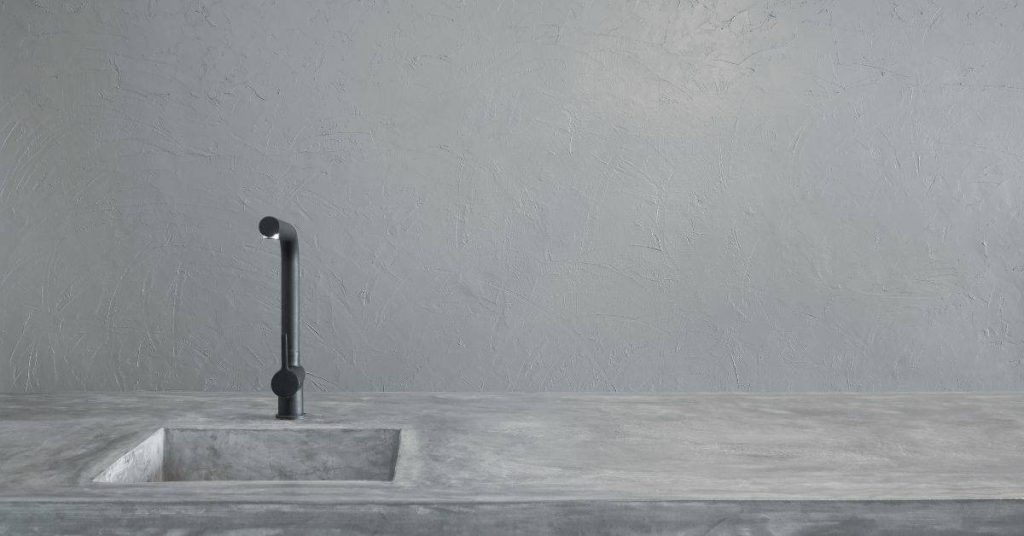
Concrete countertop with integrated sink and black faucet

Concrete Countertop Forms: Melamine vs Plastic vs Silicone Edges (Best Options)

Introduction Edge forms for a concrete countertop include melamine, plastic, and silicone options that shape and support the pour as it cures. Each type offers a different surface finish and release feel, so you’ll want to align your choice with the project needs. Always check the product label and manufacturer instructions, and confirm any local

Concrete Countertop Forms: Melamine vs Plastic vs Silicone Edges (Best Options) Read More »

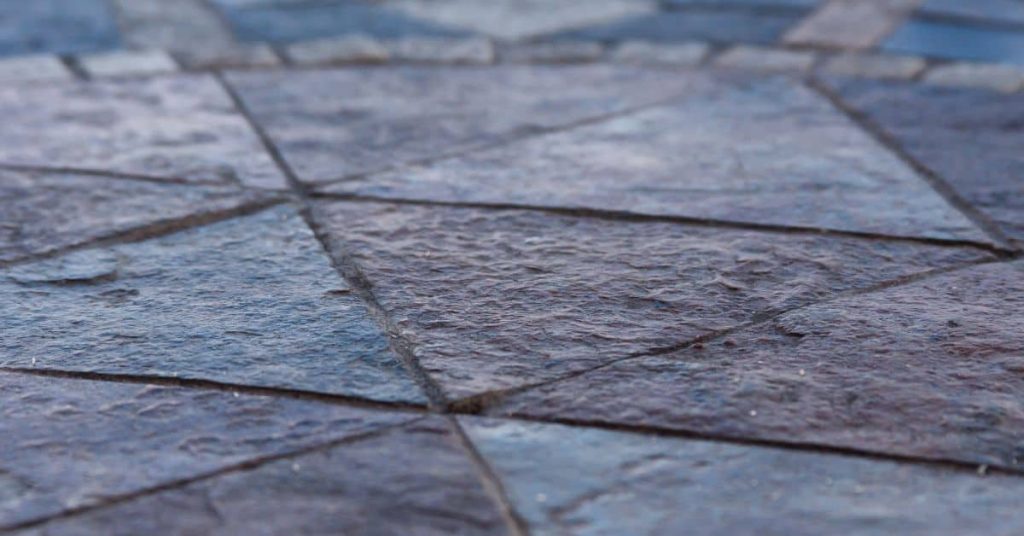
close up of textured stamped concrete floor surface

Concrete Stain Sealer Peeling: Why It Happens and How to Recoat Correctly

Introduction Peeling is when a previously applied stain sealer lifts, flakes, or dulls away from the concrete surface. This usually happens when the sealer didn’t bond well, or when the surface wasn’t prepared or conditioned properly. In DIY terms, you’ll often see peeling after weathering, moisture, or mismatched coatings. To recoat correctly, start with a

Concrete Stain Sealer Peeling: Why It Happens and How to Recoat Correctly Read More »

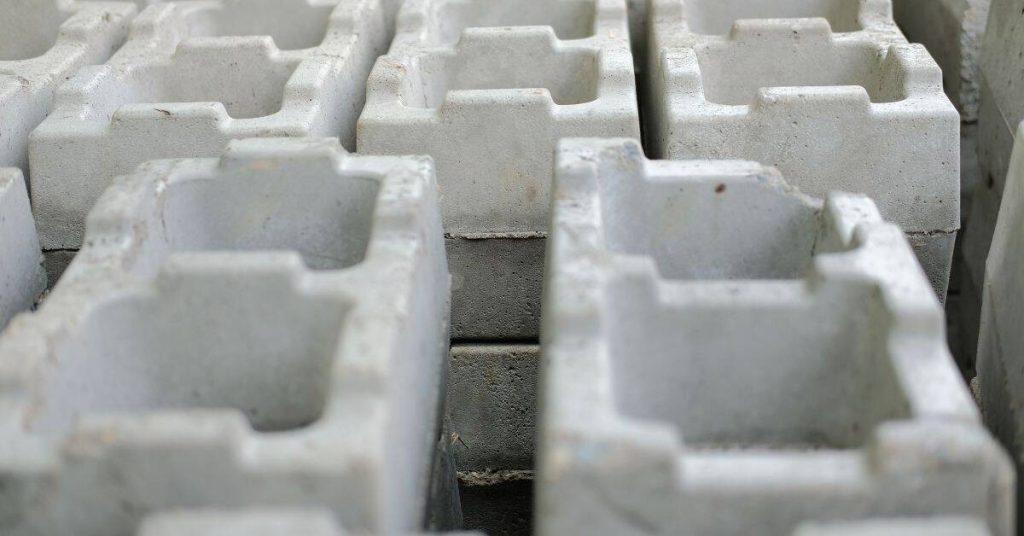
Stacked concrete blocks arranged closely together

Oil Stains on Concrete: Poultices, Degreasers, and Why Some Stains Return

Introduction Oil stains on concrete are marks from spilled oil that soak into the surface and can reappear after cleaning. This article walks you through poultice cleaners, degreasers, and why certain stains keep returning. It’s written for a hands-on DIY approach, with plain language and practical steps you can try. You’ll learn how to apply

Oil Stains on Concrete: Poultices, Degreasers, and Why Some Stains Return Read More »

Clean garage with painted concrete floor and shelving

Anti-Slip for Garage Coatings: Flake, Grit, and Cleaning Tradeoffs

Introduction Anti-slip coatings for garages use embedded flakes or grit to add traction. Choosing the right mix depends on your surface, traffic, and how much texture you want. Use this guide to compare options and make a practical, DIY-friendly choice. Consider where and how you’ll apply it—entryways, drive lanes, or workshop zones—along with your cleaning

Anti-Slip for Garage Coatings: Flake, Grit, and Cleaning Tradeoffs Read More »

Close-up of painted textured drywall surface

Polyaspartic Coatings: Cure Times, Surface Prep, and DIY Reality Check

Introduction Polyaspartic coatings are fast-curing concrete coatings used to seal and protect floors. This article cuts through hype and tells you what to expect in terms cure times, prep steps, and what DIY installers should plan for. We’ll cover the real-world steps, from surface prep to finishing touches, in plain language you can actually follow.

Polyaspartic Coatings: Cure Times, Surface Prep, and DIY Reality Check Read More »

Concrete garage floor with paint roller and wet coating

Garage Floor Paint vs Epoxy vs Polyaspartic: What Actually Holds Up

Introduction Garage floor coatings come in paint, epoxy, and polyaspartic, each with its own durability profile. Paint is simple and forgiving, epoxy offers a thicker hard coat, and polyaspartic dries fast and resists temperature swings. This guide helps you compare protection, appearance, and DIY viability before you pick. You’ll learn what to expect in terms

Garage Floor Paint vs Epoxy vs Polyaspartic: What Actually Holds Up Read More »

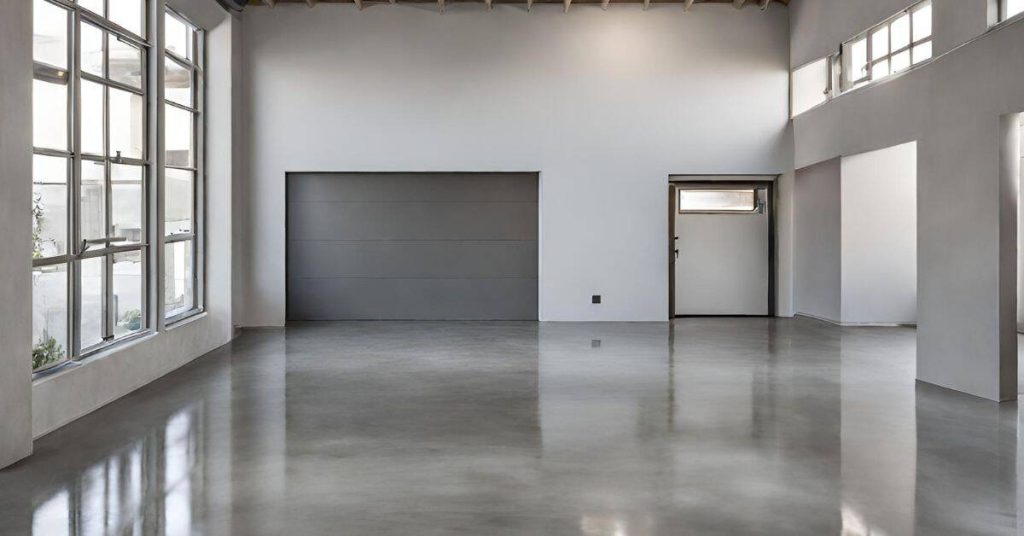
Empty room with polished concrete floor and large windows

Moisture Mitigation Systems for Concrete Floors: When You Need One

Introduction A moisture mitigation system blocks moisture from a concrete floor before you install finishes. It helps prevent staining, mold, and fast finish failures. The approach varies, but the goal is to keep dampness from wicking into your flooring. Watch for signs of moisture damage like peeling coatings, dark patches, or a musty smell. Give

Moisture Mitigation Systems for Concrete Floors: When You Need One Read More »

Yellow crane lifting precast concrete panels outdoors

How to Remove a Failed Acrylic Sealer From Concrete Without Etching

Introduction Removing a failed acrylic sealer from concrete without etching means lifting the film without harming the concrete surface. Do this safely with good ventilation, eye protection, and gloves, and follow the product instructions. Your choice of remover depends on the sealer type and the concrete porosity, so always check the label and local rules

How to Remove a Failed Acrylic Sealer From Concrete Without Etching Read More »