Search Results for: grinding

Concrete slab being smoothed with a long-handled float

Concrete Pinholes After Grinding: Filling pores without losing texture

Introduction Pinholes after grinding are tiny surface pores left in the concrete after smoothing. They can show up after grinding and may affect texture if not filled. This article explains a practical way to fill them while keeping the surface feel intact. You’ll need simple fillers and a bit of patience, and always check product […]

Concrete Pinholes After Grinding: Filling pores without losing texture Read More »
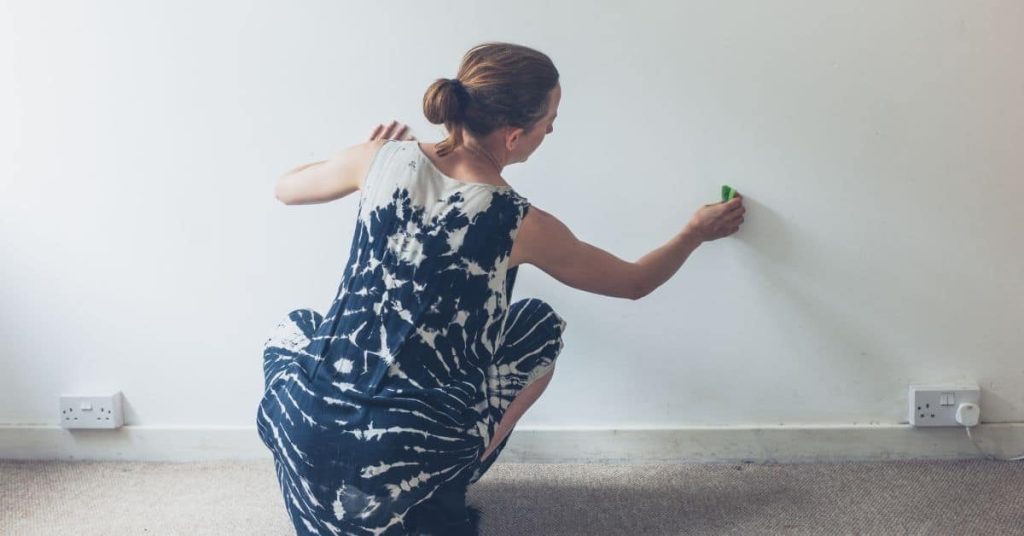
Woman scraping paint from white interior wall

Removing Paint From Masonry: Chemical Strippers vs Grinding and How to Avoid Scarring

Introduction Removing paint from masonry means choosing between chemicals that soften coatings and mechanical grinding that abrades them, and the right choice depends on the paint type, the masonry surface, and how careful you need to be to avoid damage. For a DIYer that often means weighing slower, gentler chemical strippers against faster, more aggressive

Removing Paint From Masonry: Chemical Strippers vs Grinding and How to Avoid Scarring Read More »

Hands using a scraper to remove blue paint from a wall

Removing Paint From Masonry: Chemical Strippers vs Grinding – A Step-by-Step Timeline

Introduction Tackling paint removal from masonry can seem daunting, but with a clear timeline and understanding of the process, you’ll be well on your way to restoring your surfaces. This step-by-step guide focuses on the duration and sequence of using chemical strippers versus grinding methods, ensuring you stay organized and efficient throughout the project. Before

Removing Paint From Masonry: Chemical Strippers vs Grinding – A Step-by-Step Timeline Read More »

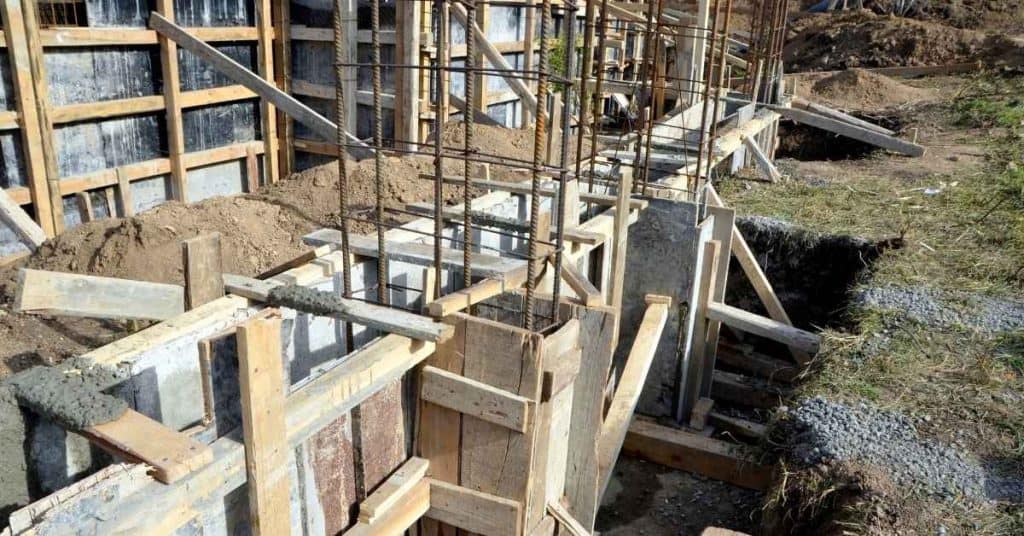
Concrete formwork and rebar reinforcement at construction site

DIY Concrete Rebar Cover Fixes: When Grinding Helps and When You Must Patch

Introduction DIY concrete rebar cover fixes means deciding whether grinding to expose and clean the surface is enough or whether you must chip out and patch back to proper cover; start by confirming how deep the corrosion or delamination goes and whether the rebar is structurally compromised. If the trouble is only surface rust and

DIY Concrete Rebar Cover Fixes: When Grinding Helps and When You Must Patch Read More »

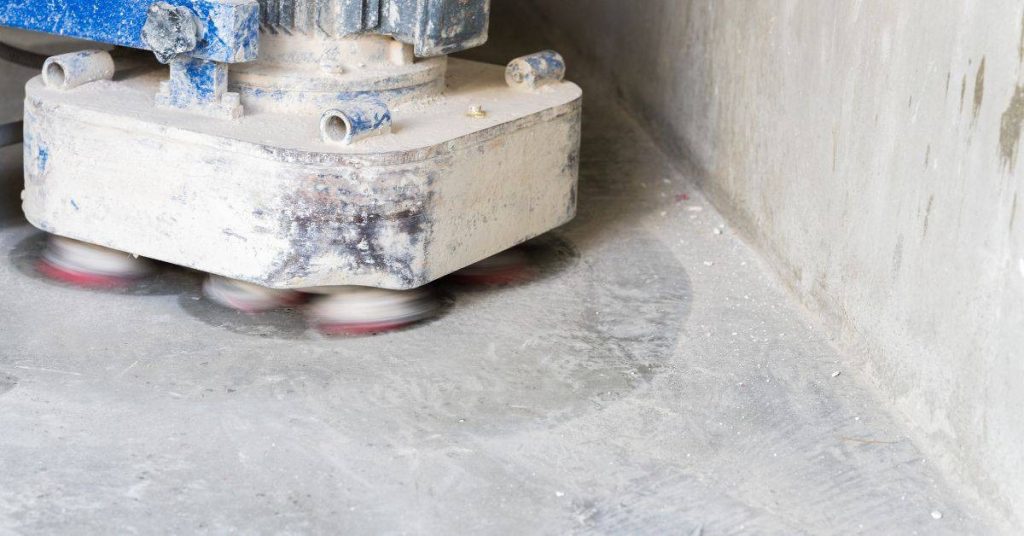
Close-up of concrete floor grinding machine in use

Grinding vs Scarifying for Concrete Prep: Choosing the Right Texture for Coatings

Introduction Grinding means removing surface material with rotating diamond wheels to smooth or level concrete, while scarifying uses a drum of carbide cutters to aggressively cut grooves and remove heavy coatings; pick grinding for light profiling and scarifying for fast, deep removal. This is a practical, hands-on choice: think about how much material you must

Grinding vs Scarifying for Concrete Prep: Choosing the Right Texture for Coatings Read More »

Close-up of concrete countertop surface with pinholes and texture

Fixing Pinholes in Concrete Countertops Without Regrinding the Whole Surface

Introduction A pinhole is a tiny void or air gap in cured concrete that shows as a small surface pore. You can fix it without regrinding the entire countertop by targeting the defect with the right repair approach. This intro covers identifying pinholes and choosing practical repair materials for a DIY fix. Prepare the surface

Fixing Pinholes in Concrete Countertops Without Regrinding the Whole Surface Read More »

Close-up of concrete floor grinding machine in use

Concrete Driveway Oil Stain Removal: Enzyme vs. Poultice vs. Grinding (What Works When)

Introduction Oil stain removal on a concrete driveway comes down to enzyme treatment, poultice, or grinding. Enzymes break down the oil, poultices draw it out, and grinding physically removes the surface. What works best depends on the stain depth, age, and your tolerance for dust or smell. Check product labels and manufacturer instructions, and local

Concrete Driveway Oil Stain Removal: Enzyme vs. Poultice vs. Grinding (What Works When) Read More »

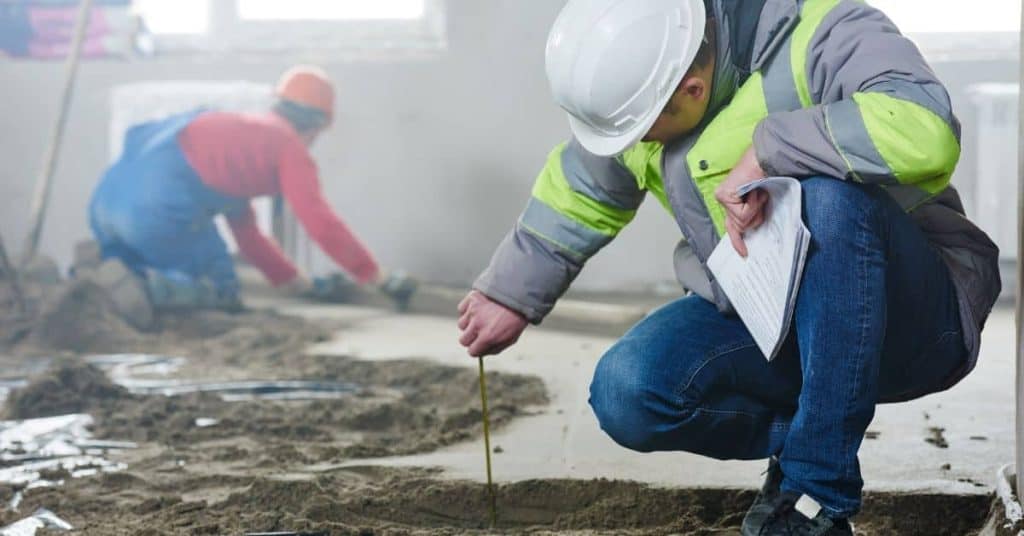
Worker measuring concrete slab with tape measure

Grinding High Spots on a Concrete Slab Safely (Dust Control and Tool Choices)

Introduction Grinding high spots on a concrete slab is the process of leveling protrusions to bring the surface flat and even. High spots can come from uneven finishing, hard trowel lines, or settling, and identifying them requires a simple run-over with a straightedge or level. Work calmly, plan for dust control and choose the right

Grinding High Spots on a Concrete Slab Safely (Dust Control and Tool Choices) Read More »

Close-up of concrete floor grinding machine on rough concrete surface

Fixing Form Lines on Exposed Concrete: Grinding, Skim Coats, and Texture Matching

Introduction Fixing form lines on exposed concrete means smoothing or concealing the raised lines left by the forms so the surface looks even. In this DIY approach, you’ll grind the lines down, skim-coat areas as needed, and texture-match the rest of the surface. Plan to work methodically, wear a dust mask, and always check the

Fixing Form Lines on Exposed Concrete: Grinding, Skim Coats, and Texture Matching Read More »

Concrete floor grinding machine smoothing surface

Fixing Birdbaths on Concrete: Grinding, Topping, and When to Re-Pour

Introduction Grinding, topping, and re-pouring are practical steps to repair and level a birdbath set in concrete. This DIY guide walks you through evaluating the damage, choosing a plan, and doing the work safely. You’ll learn what to check on materials and how to approach the job without fancy tools. Start by inspecting the existing

Fixing Birdbaths on Concrete: Grinding, Topping, and When to Re-Pour Read More »