Search Results for: glazing techniques

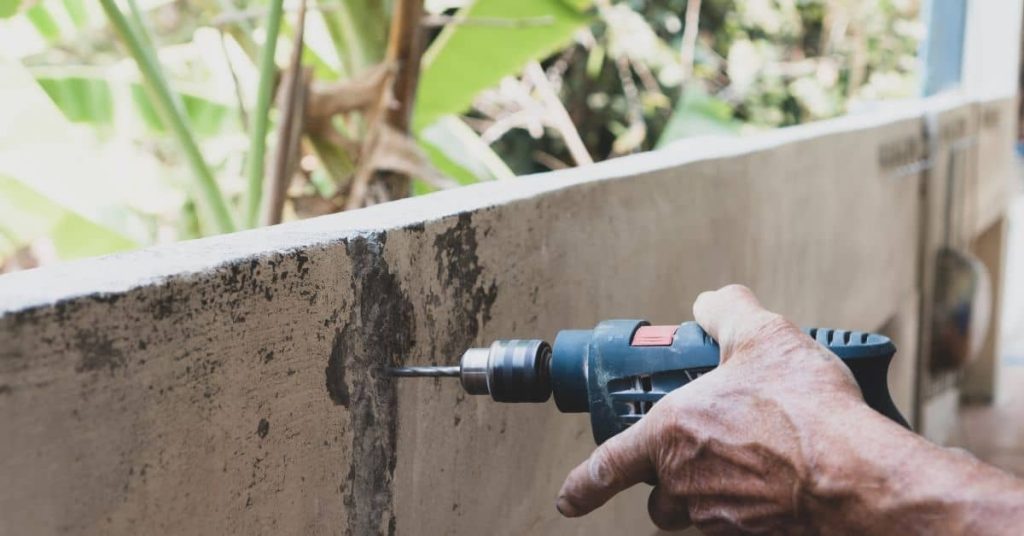
Hand holding drill against concrete wall surface

Drilling into masonry: SDS settings, bit types, and how to stop wandering

Introduction Drilling into masonry means using a hammer drill with an appropriate SDS bit to bore into brick, concrete, or stone. This article gives a practical overview of choosing settings, bit types, and how to keep the drill from wandering. It sticks to plain language and hands‑on tips for real work on the job site. […]

Drilling into masonry: SDS settings, bit types, and how to stop wandering Read More »

Corded orange and black angle grinder on concrete floor

Wet saw vs grinder for brick and block: cut quality, dust, and speed tradeoffs

Introduction Wet saws cut brick and block with water cooling and a fixed blade, offering dust control and different cut quality than grinders. A grinder can cut faster on rough brick or block but tends to produce more dust and less precise edges unless a careful technique and guard are used. Check the blade type,

Wet saw vs grinder for brick and block: cut quality, dust, and speed tradeoffs Read More »

Empty concrete multi-level parking garage with columns and ceiling beams

Diamond cup wheels for concrete and masonry: picking grit and segment style to avoid gouges

Introduction Diamond cup wheels for concrete and masonry are grinding tools that remove material with diamond-embedded segments. Choosing the right grit and segment style helps avoid gouges and yields a smoother edge. Test on a small area and adjust technique to balance speed, durability, and finish quality. Types of wheels include different grit ranges and

Diamond cup wheels for concrete and masonry: picking grit and segment style to avoid gouges Read More »

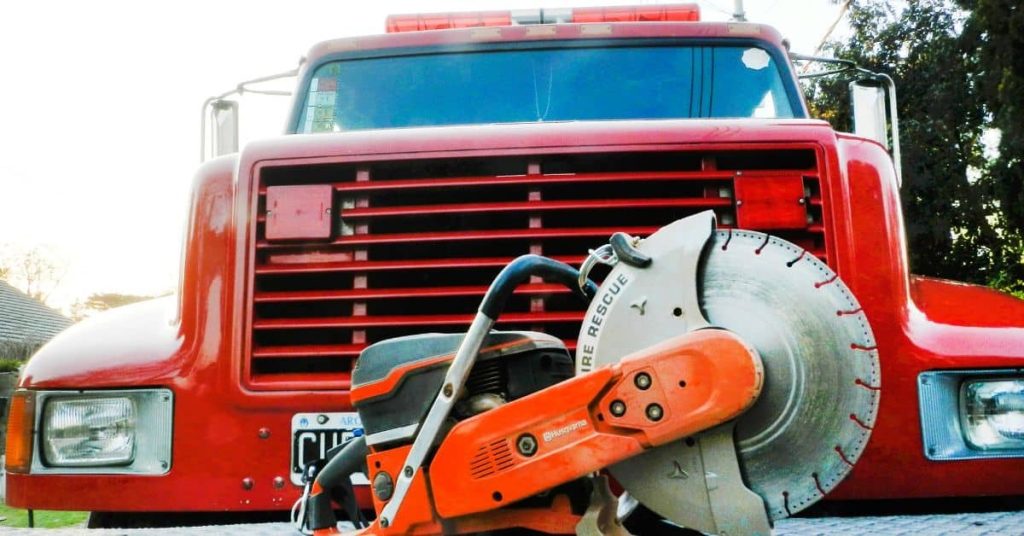
Close-up of red gas-powered cutting saw in front of vehicle

Cutting brick cleanly: blade choice, support, and minimizing blowout

Introduction Cutting brick cleanly means controlling the cut with the right blade, steady support, and careful technique. Choose a blade designed for brick and masonry, and pair it with proper support to reduce chipping. Always check the manufacturer instructions and local rules for your tool and material. Use a suitable diamond blade for brick, and

Cutting brick cleanly: blade choice, support, and minimizing blowout Read More »

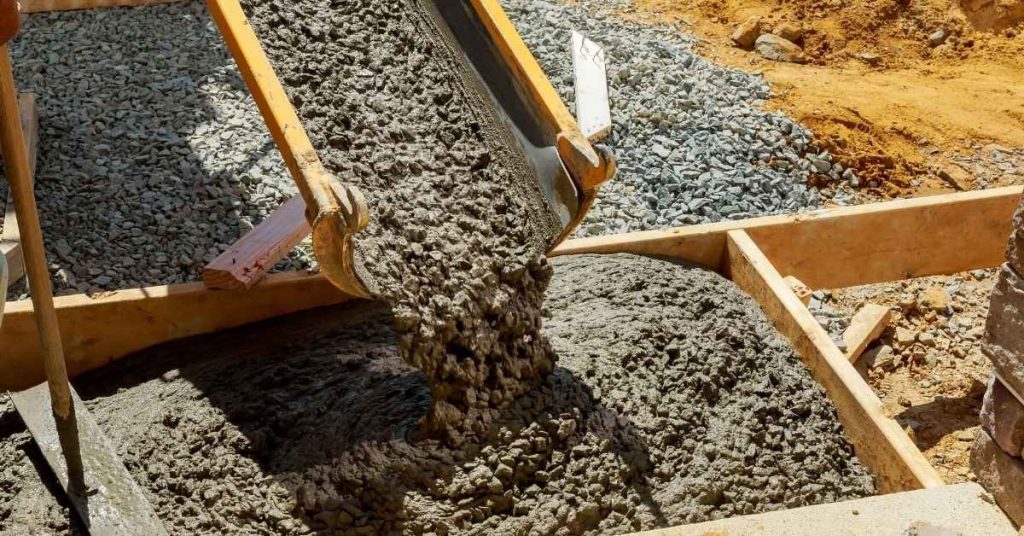
Wet concrete pouring into wooden forms outdoors

Magnesium Vs Wood Floats for Concrete: What They Do to Paste and When They Matter

Introduction Magnesium and wood floats are hand tools used to smooth and finish fresh concrete. Magnesium floats are a light metal option that can flatten high spots quickly, while wood floats provide a softer, more forgiving surface. These tools affect the paste by pulling fine aggregate to the surface and shaping the moisture as it

Magnesium Vs Wood Floats for Concrete: What They Do to Paste and When They Matter Read More »

Close-up of gas-powered cutting saw blade in front of red truck

Cutting Brick Pavers Cleanly: Blades, Chipping Control, and Dust Safety

Introduction Cutting brick pavers cleanly means using the right blade and technique to produce straight, square cuts with minimal chipping. Choose a blade rated for masonry and masonry-specific cutting, and align your cut with the paver face for a clean edge. Take your time to steady the paver and clamp it, then make a shallow

Cutting Brick Pavers Cleanly: Blades, Chipping Control, and Dust Safety Read More »

Close-up of textured white plaster surface

Flexible Caulks for Plaster Transitions: What Moves Without Staining

Introduction Flexible caulks for plaster transitions are sealants that move with the wall without staining. They help bridge gaps where plaster, drywall, and moldings meet. Choose a product labeled for interior use and compatible with plaster. In a DIY setup, prep clean edges, shape the bead, and smooth the joint with a damp finger. Always

Flexible Caulks for Plaster Transitions: What Moves Without Staining Read More »

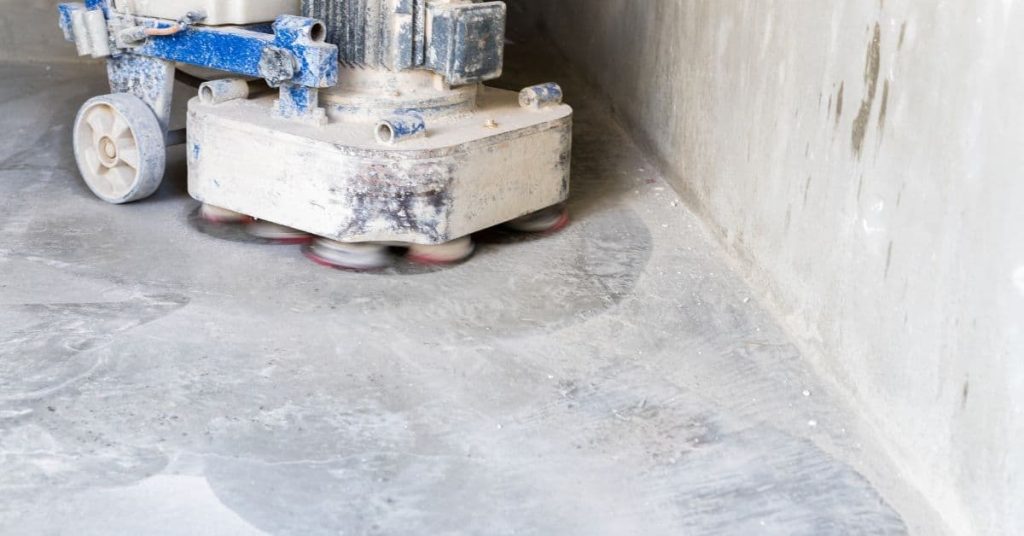
Close-up of floor grinding machine smoothing concrete floor

Tarp Lines on Concrete After Curing: Cleaning vs Light Grinding vs Patience

Introduction Tarp lines on concrete after curing are the visible creases or texture lines where a tarp overlapped during the curing process. They show up as different shading or ridges on the surface. You can address them by cleaning, light grinding, or letting time and use soften or blend them in. Start with a simple

Tarp Lines on Concrete After Curing: Cleaning vs Light Grinding vs Patience Read More »

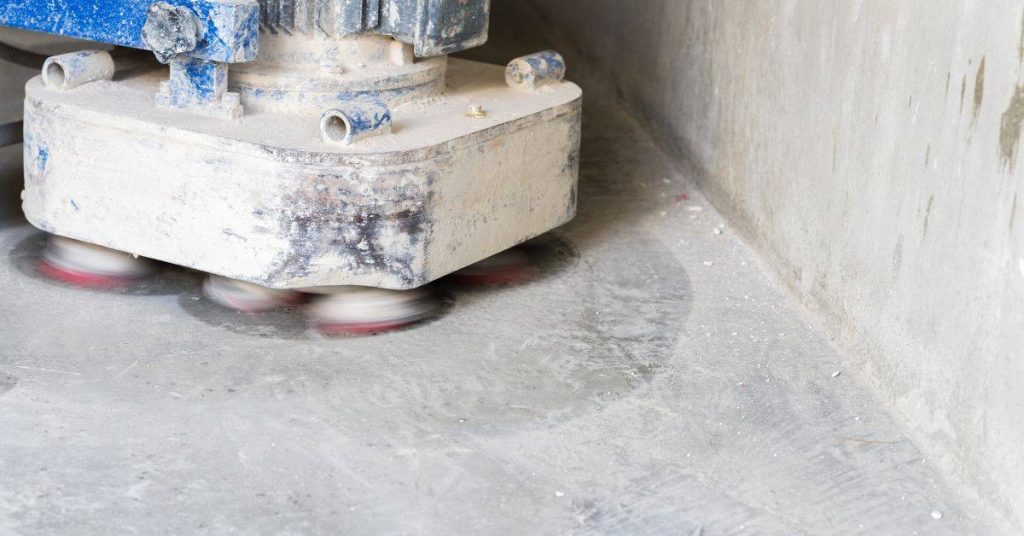
Close-up of a concrete floor grinder machine on concrete surface

Edge-and-Corner Concrete Polishing with a Small Grinder: A Tooling Map That Works

Introduction Edge-and-Corner Concrete Polishing with a Small Grinder is about using a compact handheld grinder to smooth and shine the edges and corners of a concrete surface. It’s a practical, do-it-yourself approach that fits tight spots and uneven edges. Plan for safety and steady, slow passes to avoid gouging or overheating. For small spaces, choose

Edge-and-Corner Concrete Polishing with a Small Grinder: A Tooling Map That Works Read More »

Close-up of concrete floor grinding machine in action

Grinding High Spots on Concrete: How Deep Is Safe Before You Hit Trouble

Introduction Grinding high spots on concrete is the process of removing tiny amounts of surface to bring the floor to a level plane. It’s a hands-on job that starts with locating the high spots and planning the approach, not blasting away blindly. Check your grinder’s guard, power rating, and the manufacturer’s instructions before you begin,

Grinding High Spots on Concrete: How Deep Is Safe Before You Hit Trouble Read More »